Culture
Tatami vs Foam Yoga Mat: Which is Better for Your Practice?
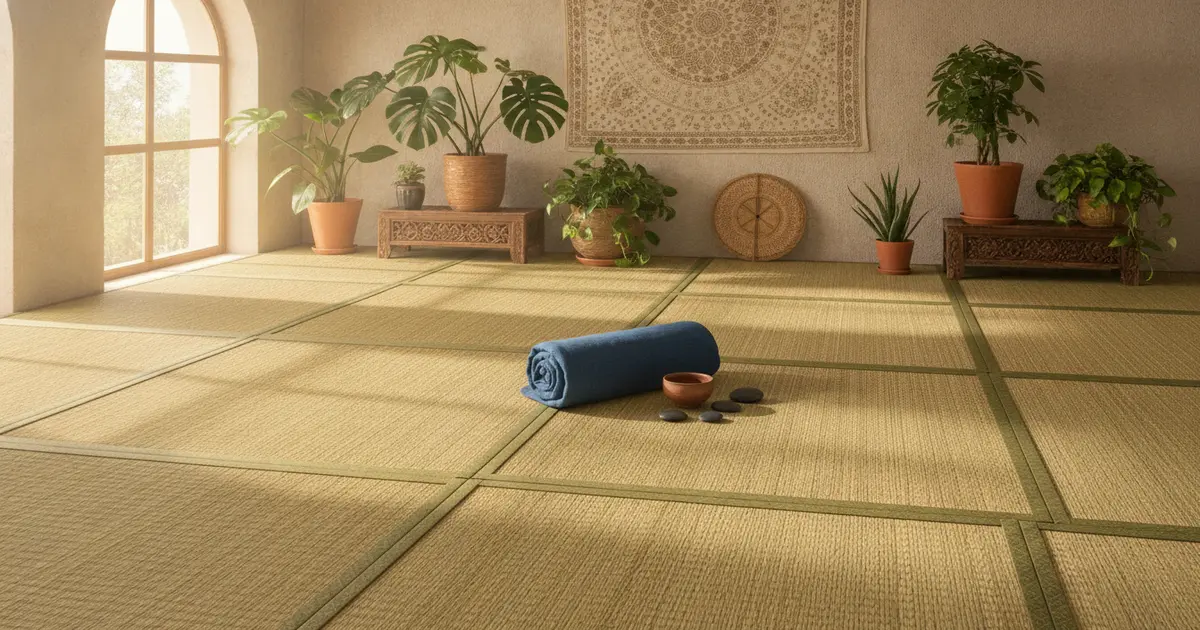
When comparing tatami vs foam yoga mat, the decision tilts towards authentic Japanese Igusa tatami for those seeking a durable, natural, and aesthetically pleasing surface for their yoga practice in India. Tatami mats, with their unique texture and eco-friendly materials, provide a grounding experience that foam mats simply cannot match.
Why Choose Tatami for Yoga?
In recent years, yoga has surged in popularity across India, prompting practitioners to seek the best surfaces for their practice. A tatami mat for yoga stands out due to its natural fibers and traditional craftsmanship. Unlike foam, which can sometimes feel too soft or slippery, tatami offers a stable foundation that nurtures balance and focus.
The Appeal of Igusa Tatami Mats
- Natural Materials: Igusa tatami mats are made from rush grass, providing a breathable and comfortable surface that is ideal for yoga.
- Durability: These mats can last for years with proper care, maintaining their aesthetic and functional integrity.
- Aesthetic Value: Their unique look adds a touch of elegance to any yoga studio or home.
Foam Yoga Mats: A Quick Look
While foam yoga mats are popular for their lightweight and portable characteristics, they often lack the texture and stability of tatami mats. They can also harbor moisture, which is a concern in humid climates like India, particularly during the monsoon season.
Key Differences Between Tatami and Foam Mats
- Material: Tatami is made from natural rush grass, while foam mats consist of synthetic materials.
- Grip and Stability: Tatami provides excellent grip, enhancing stability during various poses.
- Maintenance: Foam mats require regular cleaning to prevent odors and bacteria, while tatami only needs simple maintenance.
- Temperature Control: Tatami remains cool in warm climates, making it perfect for Indian homes where temperatures can soar.
Is Tatami Suitable for All Yoga Styles?
Yes! Whether you're practicing Hatha, Vinyasa, or even restorative yoga, a natural yoga floor mat like tatami can complement every style. Its supportive surface helps with balance and alignment, essential for advanced poses.
Real Experiences: Indian Homes and Yoga Studios
Many yoga studios in India are now adopting tatami mats for their unique benefits. The reception has been overwhelmingly positive. In one Mumbai studio, a yoga instructor noted how the yoga studio tatami mat improved her students' practice by offering better grip and stability.
FAQs
Can I use tatami mats in a humid climate?
Yes, tatami mats are great for humid climates. They are breathable and resist moisture buildup, unlike foam mats.
How do I care for my tatami mat?
Simple maintenance is key. Regularly vacuum your tatami mat and read our care guide for more tips.
Is a tatami mat suitable for meditation?
Absolutely! Tatami mats are excellent for meditation due to their comfort and natural materials. Consider exploring our collection of meditation tatami mats here.
How do I choose the right size tatami mat?
Choosing the right size is crucial for your space. Refer to our size guide for recommendations tailored to your needs.
Can tatami mats be used in bedrooms?
Yes, they can! Tatami mats provide a unique aesthetic and comfort in bedrooms. Learn more about their benefits here.
How do I transition from foam to tatami?
Start by incorporating a tatami mat into your practice gradually. Observe how it affects your balance and stability compared to a foam mat.