Culture
Why a Chemical Free Tatami Mat is Essential for a Healthy Home
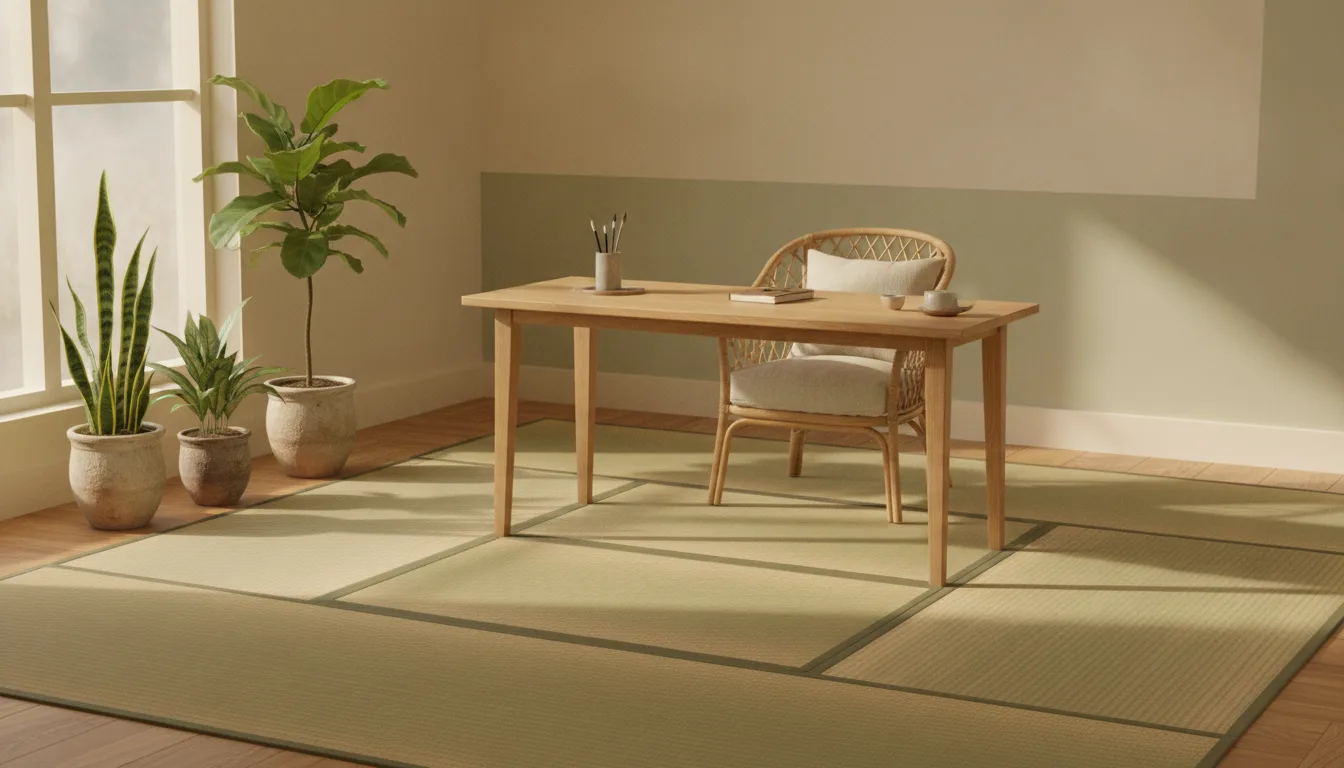
In the quest for a healthy home environment, opting for a chemical free tatami mat is essential. These mats, crafted from Igusa grass, offer a natural, breathable option that promotes well-being. With increasing awareness about indoor air quality, many Indian homeowners are turning to eco-friendly floor mats to create safe spaces.
Why Choose a Chemical Free Tatami Mat?
A chemical free tatami mat not only enhances the aesthetic of your home but also eliminates harmful toxins commonly found in conventional mats. In India’s warm and humid climate, the benefits multiply. These mats help regulate moisture, reducing the risk of mold and ensuring a fresher indoor atmosphere.
Unique Advantages of Natural Fiber Mats
- Breathability: Igusa grass allows for excellent air circulation, making it ideal for humid conditions.
- Durability: Unlike synthetic options, a natural fiber mat can withstand wear and tear, providing long-lasting use.
- Comfort: The soft texture of tatami mats adds an inviting layer to your living space, perfect for relaxation or yoga practice.
Are Foam Mats a Better Choice?
While foam mats may seem convenient, they often contain harmful chemicals and do not offer the same breathability as a non toxic Japanese mat. When comparing tatami mats and foam options, the natural qualities of tatami stand out. Foam mats can trap heat and moisture, leading to potential health risks, especially in warm Indian homes.
Choosing Between Madurkathi and Igusa
Madurkathi mats are another popular choice for those looking for sustainable floor mat options in India. However, if you prioritize air circulation and natural aesthetics, a Madurkathi heri tatami floor mat or a reed tatami sleep mat made from Igusa is preferable. Each has its unique benefits; hence, the selection should suit your specific needs.
Real-Life Impact: A Case Study
Consider the experience of an Indian yoga studio that switched from synthetic mats to chemical free tatami mats. The owners reported enhanced air quality, reduced allergic reactions among participants, and an overall uplift in the studio's ambiance. As a result, classes filled up faster, showcasing the impact of a healthier environment.
FAQs about Chemical Free Tatami Mats
What materials are used in a chemical free tatami mat?
A chemical free tatami mat is primarily made from Igusa grass, which is known for its natural properties and breathability. This ensures that no harmful chemicals are used in production.
Can tatami mats help reduce humidity indoors?
Yes, the breathable nature of tatami mats allows them to absorb and release moisture, helping to regulate indoor humidity levels, especially in regions like India.
How do I maintain my tatami mat?
Regularly vacuuming and occasional sunlight exposure can help maintain your tatami mat's quality. Avoid excessive moisture and clean spills immediately for longevity.
Where can I find the best tatami mats in India?
For authentic options, visit Tatami Mat, which offers a range of eco-friendly options tailored to your needs.
Are tatami mats suitable for all types of flooring?
Yes, tatami mats can be used on various surfaces, including wooden floors and tiles. They add an aesthetic touch and enhance comfort wherever placed.
Why should I choose a sustainable floor mat in India?
Sustainable floor mats, like those offered at Tatami Mat, minimize your environmental impact while providing a healthy and non-toxic living space.
In conclusion, a chemical free tatami mat is not just a flooring choice; it's a lifestyle that promotes health and sustainability. Explore your options today to transform your home into a serene sanctuary.