
Care
Essential Tips for Tatami Mat Maintenance During the Monsoon Season
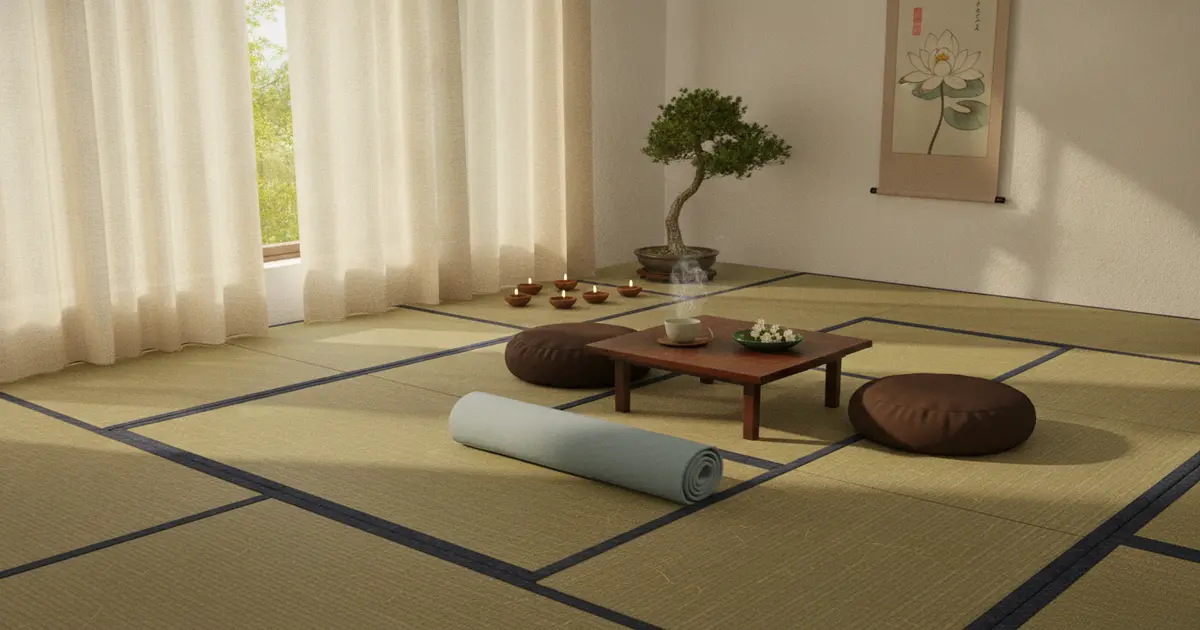
Maintaining your tatami mat during the monsoon season is essential to prevent damage and ensure longevity. The high humidity levels prevalent in India during this time can affect the natural fibers of your Japanese Igusa tatami. Proper tatami mat maintenance in monsoon will help you keep your mat looking fresh and functional.
Understanding Humidity Effects on Tatami
The monsoon brings with it elevated humidity levels, which can lead to mold and mildew growth on your tatami mats. These natural mats are made from rush grass, which is susceptible to moisture. Let’s deep dive into how to care for your tatami during these wet months.
1. Regular Airing
- Lift your tatami mats and air them out regularly to reduce moisture accumulation.
- Place them in a well-ventilated area, preferably where sunlight can reach.
2. Cleaning Tatami Mat
Dust and dirt can accumulate easily, especially with the increased moisture. Here’s how to keep your tatami mats clean:
- Use a soft broom or vacuum cleaner with a brush attachment to remove debris.
- For deeper cleaning, dampen a cloth with a mix of vinegar and water but ensure not to soak the mat.
Steps to Prevent Mold and Mildew
To avoid the sticky problem of mold, follow these steps:
- Keep your space well-ventilated.
- Use a dehumidifier if the humidity is consistently high.
- Regularly wipe the mat with a dry cloth to remove excess moisture.
Choosing the Right Location
Consider where you place your tatami mat. Avoid corners where air circulation is minimal. Instead, consider setting it up in a bright area, perhaps in your yoga studio or meditation corner. This will not only enhance the aesthetics but will also ensure better maintenance.
Common Myths about Tatami Mats
Myth: Tatami Mats Are Waterproof
One common misconception is that tatami mats can handle all types of moisture. While they resist some moisture, they can still suffer from prolonged exposure. It's crucial for tatami mat care to manage moisture effectively.
Myth: Any Liquid Cleaner Will Do
Using any household cleaner can damage the delicate fibers of tatami. Always opt for a gentle clean, as mentioned above, to preserve the quality of your mat.
FAQs on Tatami Mat Care During Monsoon
Can I place my tatami mat on wet flooring?
It’s best to avoid placing your tatami directly on wet floors. Humidity can seep into the mat and lead to mold growth.
How often should I clean my tatami during monsoon?
Weekly cleaning is advisable. Regular maintenance prevents dirt buildup and helps control moisture levels.
Does the type of tatami matter for monsoon care?
Yes, natural Igusa tatami is more sensitive to humidity than synthetic options. For authentic feel and quality, consider Japanese Igusa tatami.
What should I do if my tatami develops mold?
If you notice mold, gently scrub it off with a soft cloth and a vinegar solution, then ensure to dry the mat completely in sunlight.
Can I use a carpet cleaner on my tatami?
Carpet cleaners can be too harsh for tatami mats. Stick to gentle cleaning methods suited to their natural fibers.
Enhancing Your Living Space
Adding tatami mats can elevate various spaces in your home, from a calming meditation corner to inviting guest rooms in hospitality settings. You might want to consider Madurkathi options as well, but remember they come with different maintenance needs compared to genuine Igusa mats. Learn more about Madurkathi vs Igusa for a comprehensive understanding.
In summary, tatami mat maintenance during the monsoon season in India requires attention to humidity, regular cleaning, and strategic placement. When taken care of properly, your tatami mat can provide a warm, inviting atmosphere in your home or studio long into the future.
