Culture
Madurkathi vs Igusa: Choosing the Best Tatami Mat for Yoga
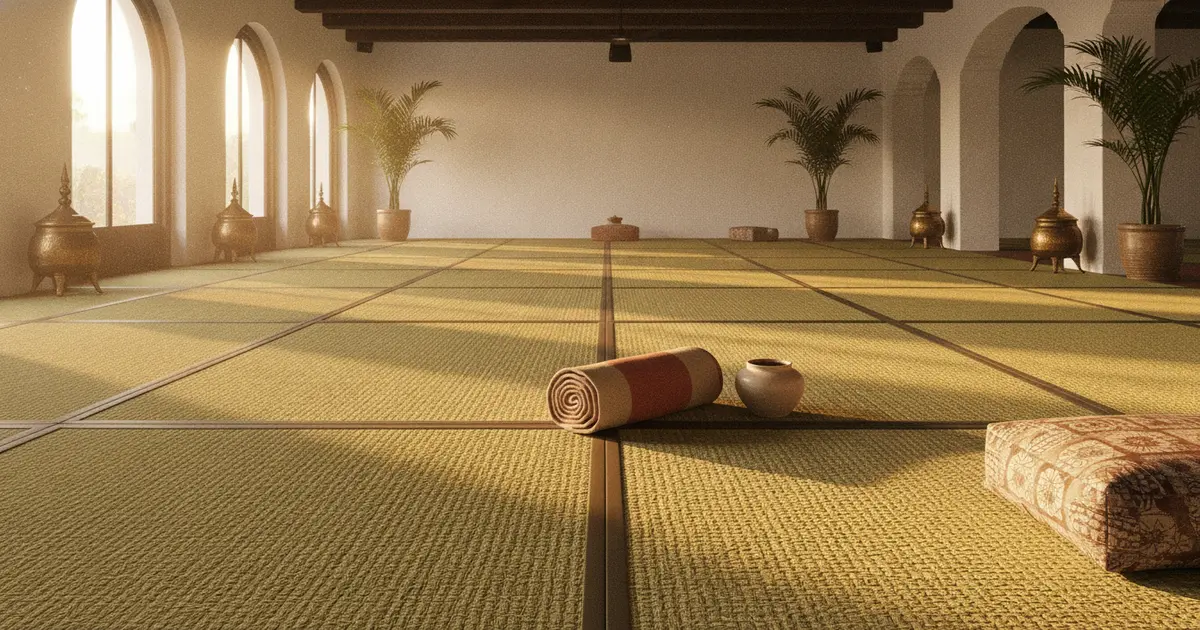
When it comes to enhancing your yoga practice in India, the choice between madurkathi vs igusa tatami mats can significantly impact your experience. While madurkathi mats provide a traditionally Indian option, Igusa tatami mats elevate comfort and aesthetics, making them an increasingly popular choice among yoga enthusiasts.
Understanding the Materials: Madurkathi vs Igusa
Madurkathi is a type of natural reed mat commonly used in India, known for its durability and relatively low cost. However, the authentic Igusa tatami mat, made from rush grass, provides unique benefits that can enhance your yoga practice.
Comfort and Support
One of the main concerns for yoga practitioners is ensuring a supportive surface. Madurkathi mats are firm but can sometimes be too rigid, especially on hard floors. In contrast, Igusa tatami offers a soft yet supportive surface, perfect for various yoga poses.
Humidity and Climate Considerations
India's monsoon season brings high humidity levels, which can affect the lifespan and comfort of your yoga mat. Igusa mats naturally regulate moisture, preventing mold growth and ensuring longevity. For more insights on caring for tatami, check our guide on caring for tatami in Indian climates.
Price Point Comparison
While madurkathi mats are generally less expensive, investing in an authentic Japanese tatami mat can provide long-term benefits, including durability and superior aesthetics. This makes Igusa tatami a worthy investment for serious practitioners. Explore our traditional tatami collections to find the perfect mat for your needs.
Where to Use Your Tatami Mat
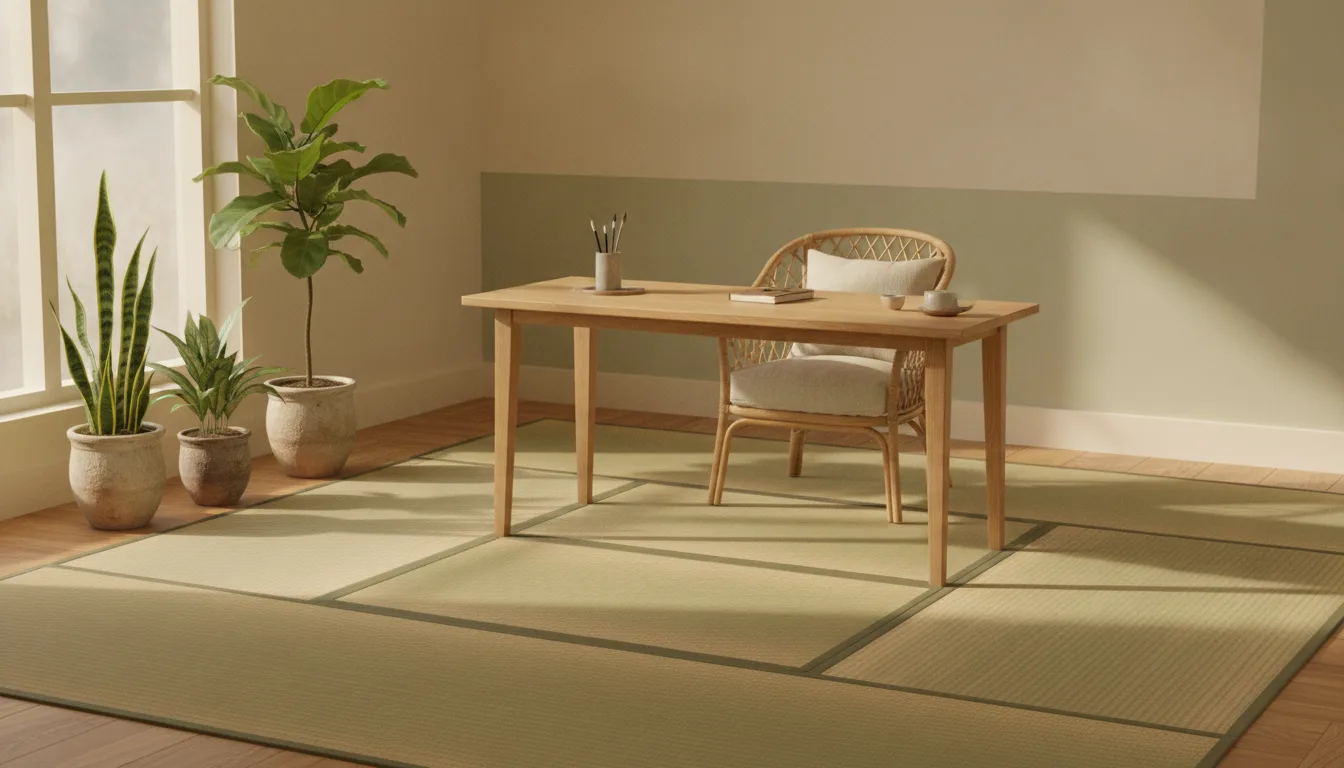
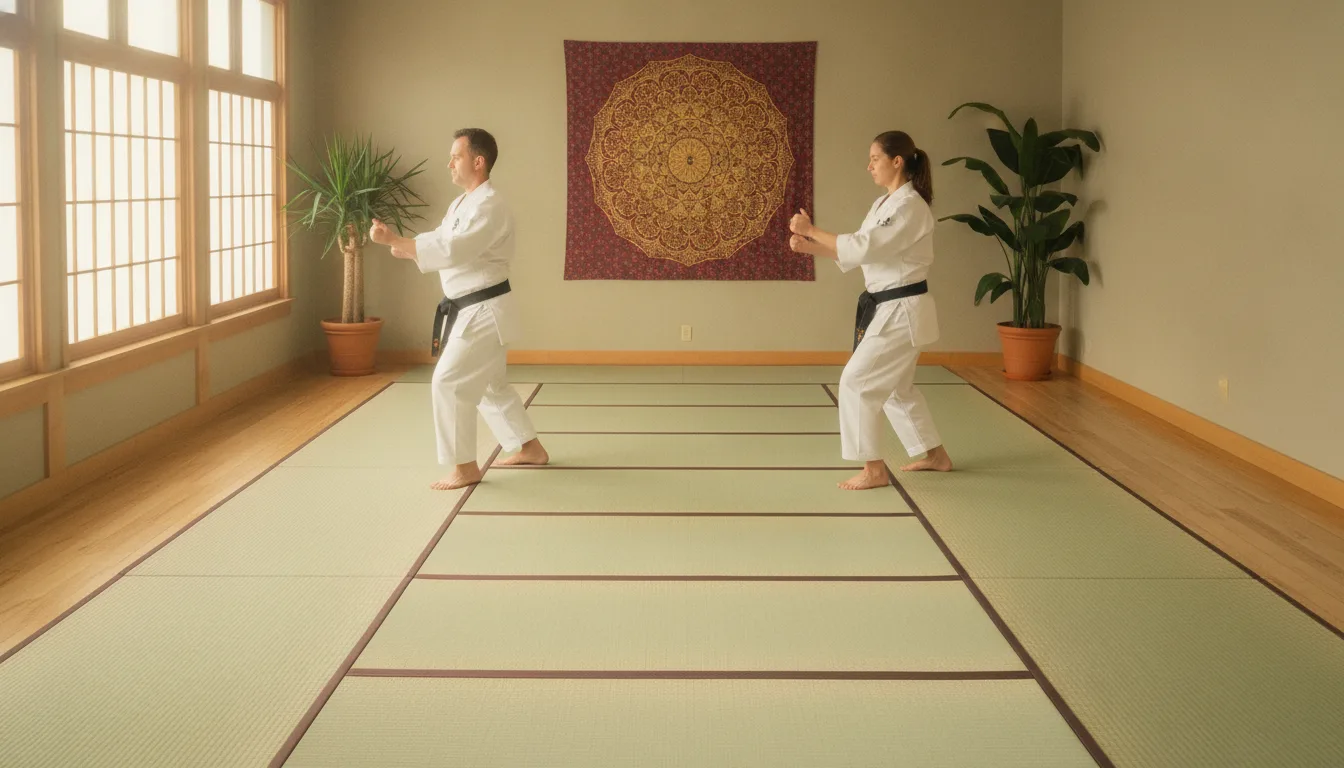
Whether for an inviting yoga studio, a serene meditation corner, or a relaxing space in your home, the right tatami can transform any area. The warm, soothing vibes of an Igusa tatami mat create a peaceful atmosphere that enhances your practice.
Madurkathi vs Igusa: Quick Comparison
- Material: Madurkathi (Indian reed) vs. Igusa (Japanese rush grass)
- Comfort: Rigid vs. Soft yet supportive
- Moisture Regulation: Minimal vs. Natural moisture control
- Aesthetic Appeal: Simple vs. Elegant traditional design
- Longevity: Medium vs. Long-lasting with proper care
FAQs About Choosing the Right Tatami Mat
What type of tatami mat is best for yoga?
The Igusa tatami mat is often recommended due to its cushioning and moisture-regulating properties, making it ideal for yoga.
Can I use Madurkathi mats for yoga?
Yes, madurkathi mats can be used for yoga, but they may not provide the same level of comfort and support as Igusa mats.
How do I maintain my Igusa tatami mat?
Regular cleaning and keeping it away from direct sunlight can help maintain your Igusa tatami mat in perfect condition.
Where can I buy Igusa tatami mats in India?
You can explore a wide range of Japanese round tatami floor mats and other options at Tatami Mat India.
Is an Igusa tatami mat worth the investment?
Yes, the durability, comfort, and aesthetic appeal of an Igusa tatami mat make it a valuable investment for your yoga practice.
What size tatami mat is recommended for yoga?
It usually depends on your space, but a standard tatami mat size guide can help you choose the right dimensions for your yoga area.
In conclusion, while both madurkathi and Igusa tatami mats can enhance your yoga sessions, the Igusa option stands out for its comfort, moisture control, and aesthetic appeal. Whether for personal use or in hospitality settings, the choice will greatly influence your yoga experience.