Culture
Madurkathi Yoga Mat: The Natural Choice for Sustainable Yoga Practice
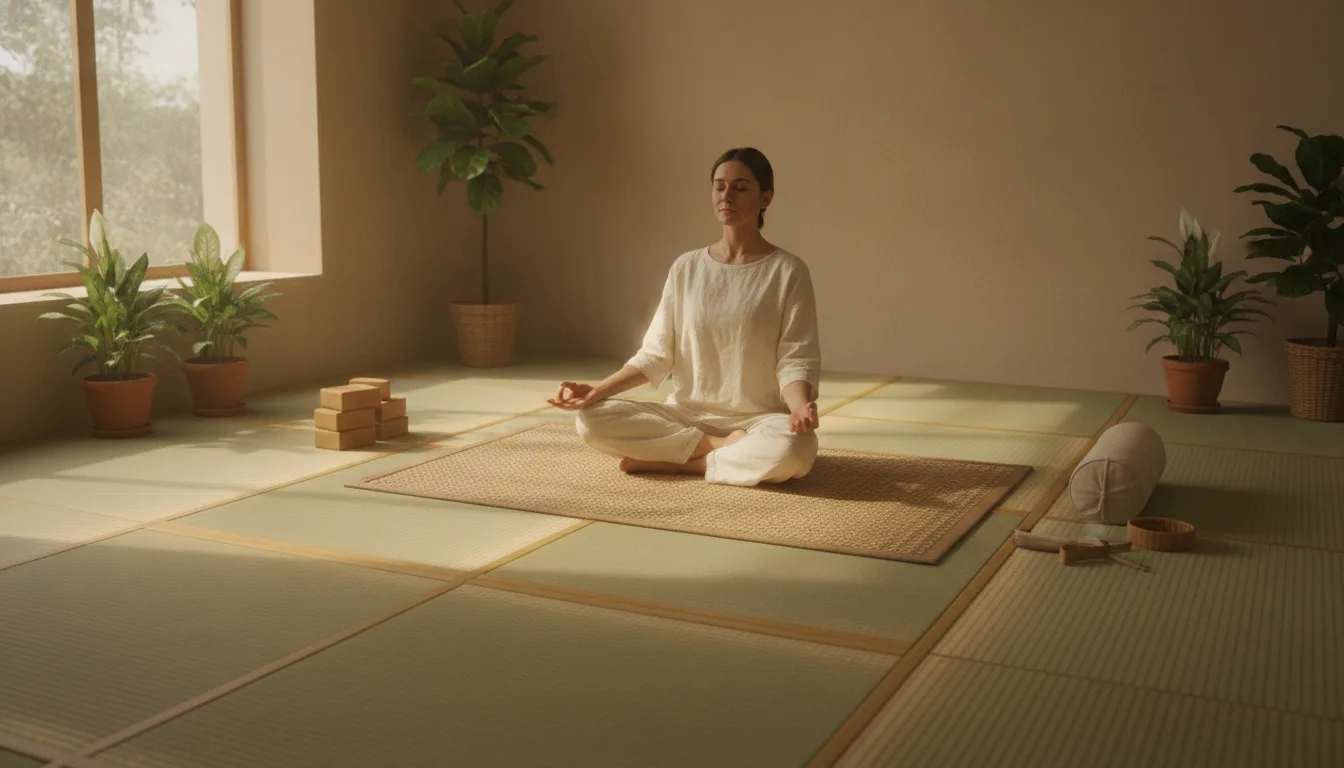
The Madurkathi yoga mat stands as a remarkable option for anyone seeking an eco-friendly yoga mat. With its rich heritage and sustainable practices, this natural yoga mat serves not just as a comfortable surface for your practice but also embraces the essence of environmental consciousness, making it an ideal choice for Indian homes, yoga studios, and hospitality settings.
Understanding Madurkathi and Its Importance
Madurkathi refers to a type of natural fiber derived from the Madurkathi plant, commonly found in India. This material is celebrated for its resilience and ability to withstand wear and tear. As environmental awareness grows, the demand for sustainable yoga mats like the Madurkathi mat is rising, reflecting a shift towards materials that are kinder to the planet.
The Heritage of Sustainable Yoga Mats
Yoga has ancient roots, and its practice has long been intertwined with the principles of sustainability and respect for nature. The Madurkathi yoga mat embodies these principles by offering a natural alternative to conventional synthetic mats. Unlike plastic-derived mats, Madurkathi mats are biodegradable and reduce the ecological footprint.
Why Choose a Natural Yoga Mat?
Natural yoga mats, such as the Madurkathi mat, provide several advantages:
- Comfort: The texture of Madurkathi offers a non-slip surface, making poses more secure.
- Breathability: These mats allow air circulation, ensuring a cooler practice, especially during India's warm seasons.
- Durability: Natural fibers typically have a longer lifespan than synthetic counterparts, making them a wise investment.
- Eco-Friendliness: Choosing natural materials supports sustainable practices and reduces plastic waste.
Comparing Yoga Mats: Madurkathi vs. Conventional Materials
| Feature | Madurkathi Yoga Mat | Synthetic Mat |
|---|---|---|
| Material | Natural fibers | Plastic or foam |
| Comfort | Excellent grip and cushioning | May slide or compress |
| Environmental impact | Biodegradable | Non-biodegradable |
| Durability | Long-lasting with proper care | May degrade over time |
| Maintenance | Easy to clean, requires care | Simple cleaning |
How to Care for Your Madurkathi Yoga Mat
Proper care ensures your Madurkathi yoga mat lasts. Regularly dust the surface with a soft cloth and spot-clean with a mild soap solution. Avoid soaking the mat in water, especially during the monsoon season when humidity is high. After cleaning, let the mat air dry in a well-ventilated area. For more insights on maintaining your tatami mats during the monsoon, check out this guide.
The Role of Tatami in Yoga Practice
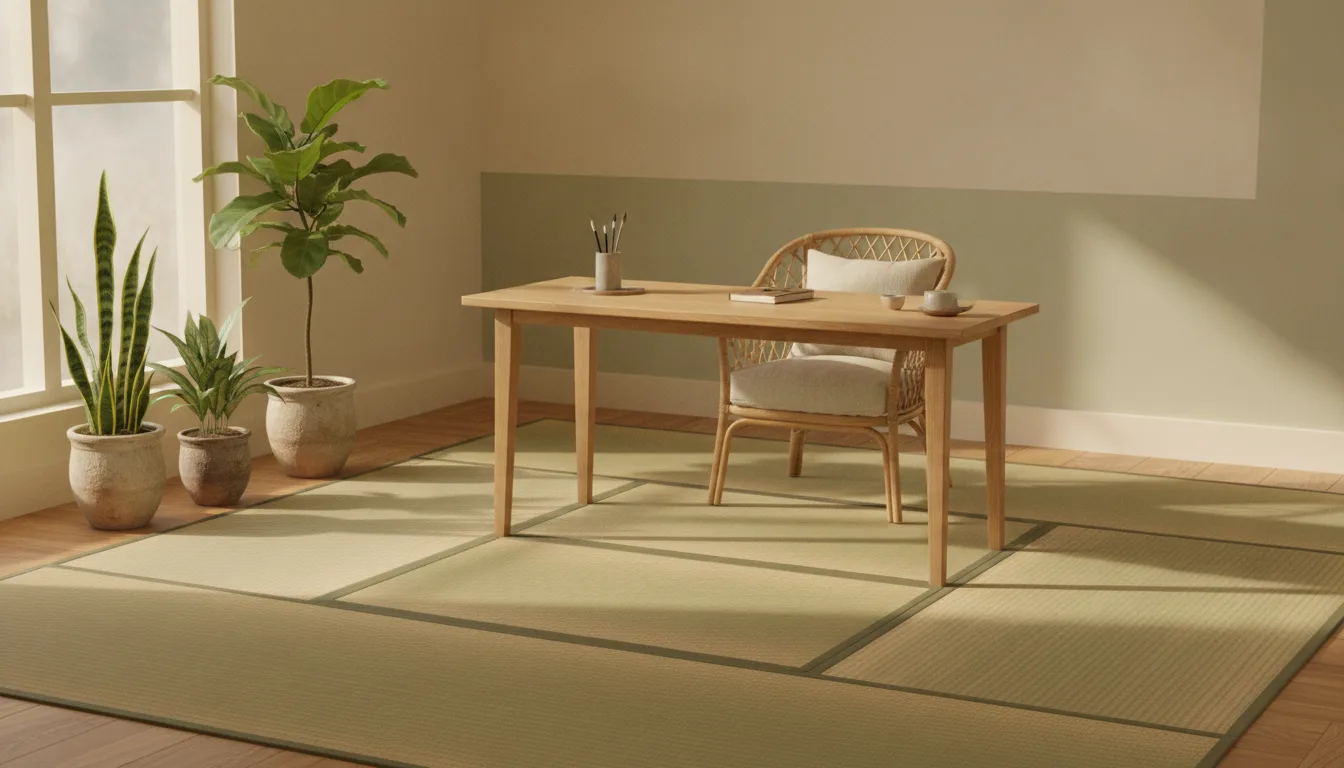
Integrating a tatami mat in your yoga environment, whether at home or in a studio, adds an authentic touch. Tatami, usually made from Igusa rush, provides a unique texture that enhances yoga practice by promoting stability and connection to the earth. Using a Madurkathi mat alongside traditional tatami can create a beautiful synergy between practices.
Example of Madurkathi in an Indian Home
Consider a cozy yoga studio set in a serene apartment in Bengaluru. The room is designed with large windows allowing natural light to flood in, enhancing the atmosphere for practice. The walls are painted in soft neutral tones, while the floor is adorned with a Madurkathi yoga mat supported by low furniture. The design incorporates plenty of plants to maintain good air quality, while a gentle breeze from the windows ensures ventilation. Humidity control is managed through simple measures like dehumidifiers, ensuring the mat remains in pristine condition. This harmonious blend of aesthetics and functionality perfectly showcases how Madurkathi can elevate the yoga experience.
Choosing the Right Madurkathi Yoga Mat
When selecting a Madurkathi yoga mat, consider the following factors:
- Authenticity: Ensure the mat is sourced from reliable manufacturers to guarantee quality.
- Size: Choose a mat that fits your practice area and body dimensions.
- Thickness: Thicker mats provide more cushioning, while thinner mats offer more stability.
- Maintenance: Consider how much care you're willing to invest in maintaining the mat.
- Environmental Impact: Check for certifications related to sustainable practices.
Myth vs Fact about Madurkathi Yoga Mats
Myth 1: All yoga mats are the same.
Fact: Yoga mats come in various materials, each offering unique benefits. Madurkathi yoga mats provide a natural option that stands distinct from synthetic alternatives.
Myth 2: Natural mats require no maintenance.
Fact: While natural mats like Madurkathi are more durable, they still require regular care to maintain their appearance and functionality.
Myth 3: Madurkathi mats are only for yoga.
Fact: These mats can be used for meditation, stretching, or even as comfortable flooring options in home interiors.
Myth 4: Traditional tatami is better than Madurkathi mats.
Fact: Both have their unique benefits. Tatami provides a traditional aesthetic, while Madurkathi offers sustainability and flexibility.
Myth 5: You can use any mat on a wet floor.
Fact: Using mats on wet surfaces can be slippery and unsafe. It’s essential to ensure the floor is dry to prevent accidents.
Interior Design: Integrating Madurkathi into Indian Settings
Madurkathi yoga mats can seamlessly blend into various Indian interior aesthetics, complementing materials like wood, stone, and textiles. When designing a space, consider using low furniture to create a more organic feel, allowing the Madurkathi mat to take center stage. By balancing textures, from soft linens to earthy tones, you create a tranquil environment conducive to relaxation and practice.
FAQs
What are the benefits of using a Madurkathi yoga mat?
Madurkathi yoga mats offer excellent grip, breathability, and comfort while promoting environmental sustainability. They’re also durable, making them an ideal choice for regular practice.
How do I clean my Madurkathi yoga mat?
To clean your Madurkathi mat, simply dust it with a soft cloth and use a mild soap solution for spot cleaning. Avoid soaking it and air dry it in a cool, ventilated space.
Can I use a Madurkathi mat in humid conditions?
Yes, Madurkathi mats are suitable for humid environments, but they require proper care to maintain their integrity. Ensure to dry them promptly if they absorb moisture.
Where can I purchase high-quality Madurkathi yoga mats?
You can find authentic Madurkathi mats at specialized retailers, such as Tatami Mat, among others that focus on natural and sustainable products.
Are Madurkathi mats suitable for any yoga style?
Absolutely, Madurkathi mats can be used for various yoga styles, including Hatha, Vinyasa, and restorative practices. Their natural texture enhances stability across different poses.
Final Thoughts on Choosing a Sustainable Yoga Practice
In summary, the Madurkathi yoga mat is a testament to marrying sustainable practices with everyday yoga needs. By selecting this natural mat, you create a personal practice space that respects the environment. This mat is not only a practical choice for your yoga journey but also a step towards a more sustainable lifestyle.