Culture
Finding the Right Meditation Mat for Your Home
Choosing the right meditation mat is essential for creating a serene, comfortable space in your home. With various options available, such as tatami mats and traditional yoga mats, understanding their differences will help you make an informed decision. This guide delves into key considerations for selecting a meditation mat that suits your needs, especially in the unique context of Indian homes.
The Importance of a Good Meditation Mat
A meditation mat serves as your sanctuary during mindfulness practices, providing a dedicated space where you can focus and relax. When selecting a meditation mat, factors such as comfort, material, and cultural significance come into play. This is particularly important in India, where homes often mix traditional and modern practices.
Material Matters: Why Choose Tatami?
Tatami mats, made from Igusa rush grass, are not only aesthetically pleasing but also practical for meditation. The natural texture provides a firm yet soft surface that supports long meditation sessions while being breathable—an essential factor in the humid Indian climate.
Understanding Igusa Rush
Igusa rush is a traditional Japanese material known for its durability and unique aroma. It regulates humidity, making it suitable for Indian monsoon conditions. The woven surface of tatami enhances grip and comfort, promoting relaxation during meditation.
Comparison: Tatami Vs. Traditional Yoga Mats
Both tatami and traditional yoga mats offer benefits for meditation, but they cater to different needs:
| Feature | Tatami Mats | Traditional Yoga Mats |
|---|---|---|
| Material | Igusa rush | Foam or PVC |
| Surface | Woven texture | Smooth or textured |
| Firmness | Firmer | Varies |
| Moisture Handling | Excellent | Poor |
| Style | Traditional | Modern |
Practical Considerations for Indian Homes
In India, where climates can vary significantly from coastal to dry regions, selecting the right meditation mat means considering environmental factors. For instance, in humid areas, a tatami mat’s moisture-regulating properties can help prevent mildew, while in dry regions, its natural fibers can add warmth to a cold floor.
Space and Usage
Consider how much space you have for your meditation practice. Whether it’s a dedicated meditation room or a corner in your bedroom, the size and style of the mat should complement the existing decor.
How to Choose the Right Size and Thickness
The dimensions of your meditation mat should align with your body’s size and the space’s layout. A thicker mat offers more cushioning, but it may not provide the stability needed for some practices. Most tatami mats come in standard sizes, but custom sizes are available to suit specific needs.
Explore custom-size options.Care and Maintenance of Your Meditation Mat
Maintaining your tatami mat is essential for extending its life and ensuring a clean meditation environment. Here are some essential care tips:
- Regularly remove dust using a soft brush or a vacuum with a brush attachment.
- In humid conditions, ensure proper ventilation to prevent mold.
- Promptly clean any spills with a damp cloth, avoiding excessive moisture.
- Rotate your mat periodically to allow even wear.
Myth vs Fact about Meditation Mats
Myth 1: All meditation mats are the same.
Fact: Meditation mats vary in material, size, and thickness. Tatami mats offer unique benefits over standard yoga mats due to their natural fibers and moisture-handling properties.
Myth 2: Tatami mats are just for Japanese homes.
Fact: While tatami has roots in Japanese culture, its versatility makes it suitable for any home, including modern Indian interiors.
Myth 3: Foam mats are a sufficient alternative to tatami.
Fact: Foam mats do not provide the same breathability or stability as tatami, especially in humid conditions.
Myth 4: Tatami requires no maintenance.
Fact: While tatami is durable, it still requires regular care to maintain its appearance and function, especially in varying Indian climates.
Myth 5: Any mat will work for all meditation practices.
Fact: Different meditation traditions may benefit from specific mat types; tatami mats provide a grounded feel that enhances focus.
Practical Indian Example: A Meditation Room in a Mumbai Apartment
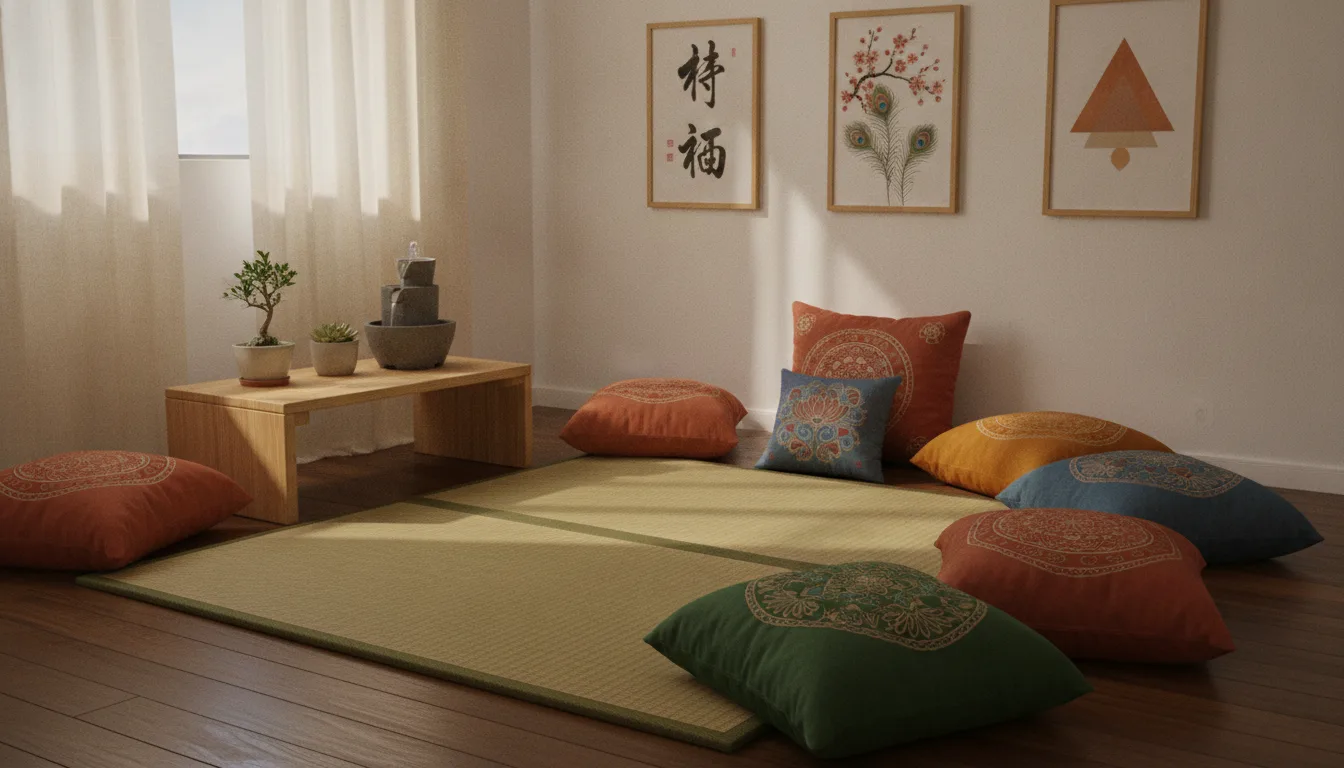
In a Mumbai apartment where space is at a premium, a couple transformed a small corner of their living room into a dedicated meditation area. They chose a 6'x6' tatami mat that blends seamlessly with their low furniture and earthy color palette. With windows for natural light and ventilation, the tatami mat’s moisture-regulating qualities help combat the city's humidity.
This setup includes minimal decor, a small indoor plant for tranquility, and cushions for seating. Regular maintenance involves simple dusting and occasional airing out due to the coastal climate, ensuring a serene meditation space that feels both welcoming and authentic.
Buying Guide: What to Look for When You Buy a Meditation Mat
Before making a purchase, consider the following key factors:
- Authenticity: Ensure that the mat is made from genuine Igusa rush for the best experience.
- Size: Choose dimensions that fit your space and personal practice.
- Thickness: Select a thickness that offers the right balance between comfort and stability.
- Moisture Management: Opt for mats that handle humidity effectively, especially in coastal or humid areas.
- Maintenance Needs: Familiarize yourself with the care requirements to maintain its longevity.
Integrating Tatami into Your Interior Design
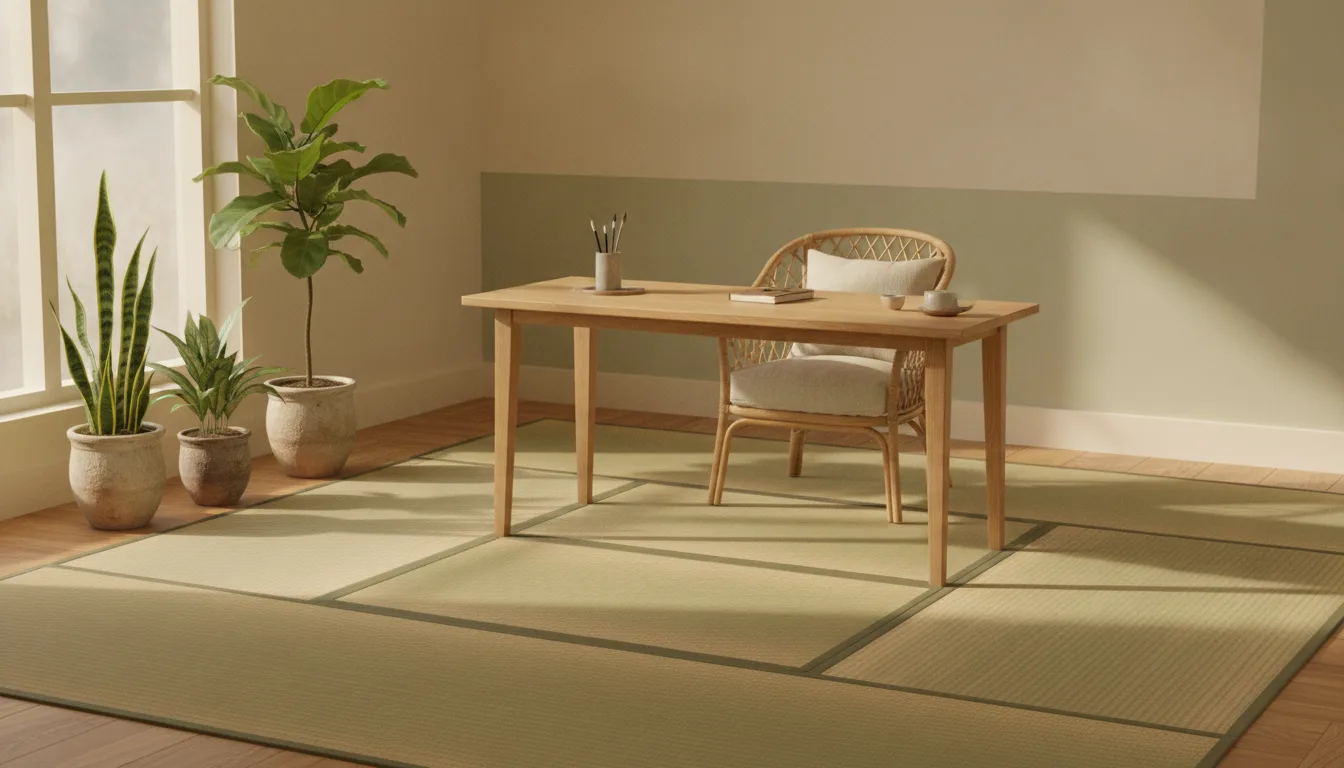
Tatami mats can enrich your Indian interiors by bridging traditional and modern aesthetics. When paired with natural materials such as wood, cane, and cotton, tatami contributes to a harmonious space. Look for low-profile furniture to ensure a balanced atmosphere. Neutral palettes enhance the calming effect of the tatami mat, making your meditation area inviting and serene.
Frequently Asked Questions
What is the best material for a meditation mat?
The best material for a meditation mat is natural fibers like Igusa rush, found in authentic tatami mats. They provide breathability, moisture regulation, and comfort, making them ideal for prolonged use.
Can tatami mats be used in humid climates?
Yes, tatami mats are particularly well-suited for humid climates. Their natural fibers help manage moisture, preventing mold and creating a comfortable environment for meditation.
How thick should a meditation mat be?
The thickness of a meditation mat typically ranges from 1-2 inches. A thicker mat offers more cushioning, while a thinner mat provides more stability. Choose based on your personal comfort and practice style.
How do I clean my tatami mat?
To clean your tatami mat, gently vacuum or use a soft brush to remove dust. For spills, use a damp cloth to wipe the area and ensure it’s well-ventilated to dry. Avoid excessive moisture to prevent damage.
Where can I buy authentic tatami mats in India?
Authentic tatami mats can be purchased from specialized retailers like Tatami Mat, which offers a range of options suitable for various spaces and designs in Indian homes.