Culture
Choosing the Right Yoga Grass Mat for Comfort and Stability
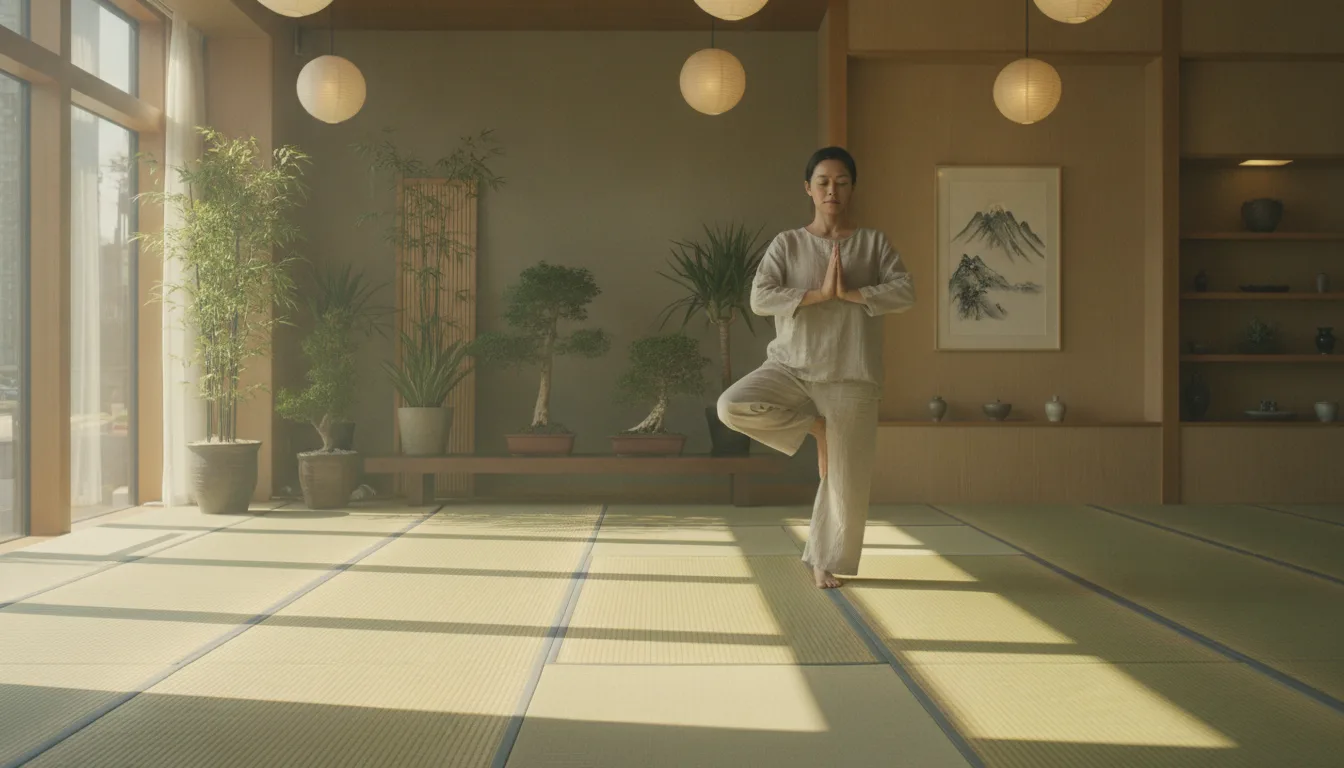
Choosing the right yoga grass mat can significantly enhance your practice, especially in India's diverse climate. With monsoon humidity and warm temperatures, finding a mat that offers comfort and stability is essential. An authentic Japanese yoga mat, particularly one made from Igusa grass, provides an ideal solution.
Why a Natural Yoga Mat is Essential in Indian Climates
Natural yoga mats like those made from Igusa grass are designed to breathe, offering better moisture control compared to typical foam mats. This is crucial for yoga practitioners who face the challenge of high humidity during the monsoon or heat during summer.
Benefits of Using Igusa Tatami Mats
- Moisture Absorption: Igusa grass naturally absorbs moisture, helping to keep the surface dry.
- Stability: The grip of a natural yoga mat enhances stability, allowing for deeper postures without slipping.
- Eco-Friendly: Choosing a natural yoga mat is a choice for sustainability.
Factors to Consider When Choosing Your Yoga Grass Mat
Understanding Your Needs
Before selecting a mat, consider your personal needs:
- Usage Frequency: Daily practitioners may need a more durable mat.
- Practice Style: Those practicing hot yoga may prefer a mat that provides extra grip.
- Portability: If you're traveling to studios or retreats, a lightweight option is beneficial.
Tatami Mats vs. Foam Yoga Mats
When it comes to comfort and durability, tatami mats stand out in comparison to foam mats. While foam mats might offer cushioning, they often lack breathability and can retain heat, making them less ideal for Indian weather.
Fact vs. Myth: Yoga Mat Materials
Are Foam Mats Always Better?
Many believe that foam mats are universally better due to their cushioning. However, in a warm, humid climate, they can become sticky and uncomfortable. On the other hand, a Japanese yoga mat made of Igusa grass maintains a cooler, stable surface.
Steps to Choose the Best Yoga Mat for Hot Weather
- Test for Grip: Ensure your mat provides the necessary grip during various poses.
- Check Breathability: Choose mats that allow air circulation.
- Pick the Right Thickness: A thickness of about 6mm is ideal for stability without compromising comfort.
- Consider Texture: A textured mat surface often provides better traction.
Transforming Your Space: Case Study from an Indian Home
In a bustling household in Mumbai, a family decided to replace their old foam mats with authentic tatami mats. The transition not only enhanced their yoga practice but also transformed their living room into a serene space for meditation. They chose a meditation tatami that contributed to a more calming atmosphere.
FAQs
What are the key features to look for in a yoga grass mat?
Look for features like moisture absorption, grip, and eco-friendliness to ensure comfort and stability.
Can I use a yoga grass mat for hot yoga?
Yes, a natural yoga mat designed for hot weather provides better moisture control and grip.
How do I maintain my Japanese yoga mat?
Regularly air out your mat and wipe it down with a damp cloth to keep it clean.
Is a tatami mat suitable for hotels?
Absolutely! Using a tatami mat in hotels elevates the guest experience by offering luxury and comfort.
Where can I purchase high-quality tatami mats?
You can find a range of authentic tatami mats available for purchase at Tatami Mat India.