Culture
Transform Your Living Space with Indian Natural Floor Mats
Transforming your living space with an Indian natural floor mat can significantly enhance both wellness and aesthetics. These mats, infused with cultural significance, offer unique visual appeal and numerous health benefits. Whether you're decorating your home, studio, or hospitality space, natural floor mats provide not just a surface to walk on but an atmosphere to live in.
Understanding Indian Natural Floor Mats
An Indian natural floor mat is typically made from various organic materials, including jute, cotton, and reed, which are abundantly available in the country. These mats are not only eco-friendly but also versatile, catering to different interior styles and climatic conditions. Unlike synthetic alternatives, natural mats allow for breathability and regulate temperature, making them suitable for the diverse Indian climate.
The Cultural Significance of Mats in Indian Homes
Mats have been an integral part of Indian homes for centuries, symbolizing hospitality and warmth. Traditionally, they are used in various cultural practices, including rituals and gatherings, reflecting the community's spirit. Utilizing a natural floor mat in your home can foster a sense of connection to this rich heritage while also providing a contemporary twist to your interior.
Wellness Benefits of Using Natural Floor Mats
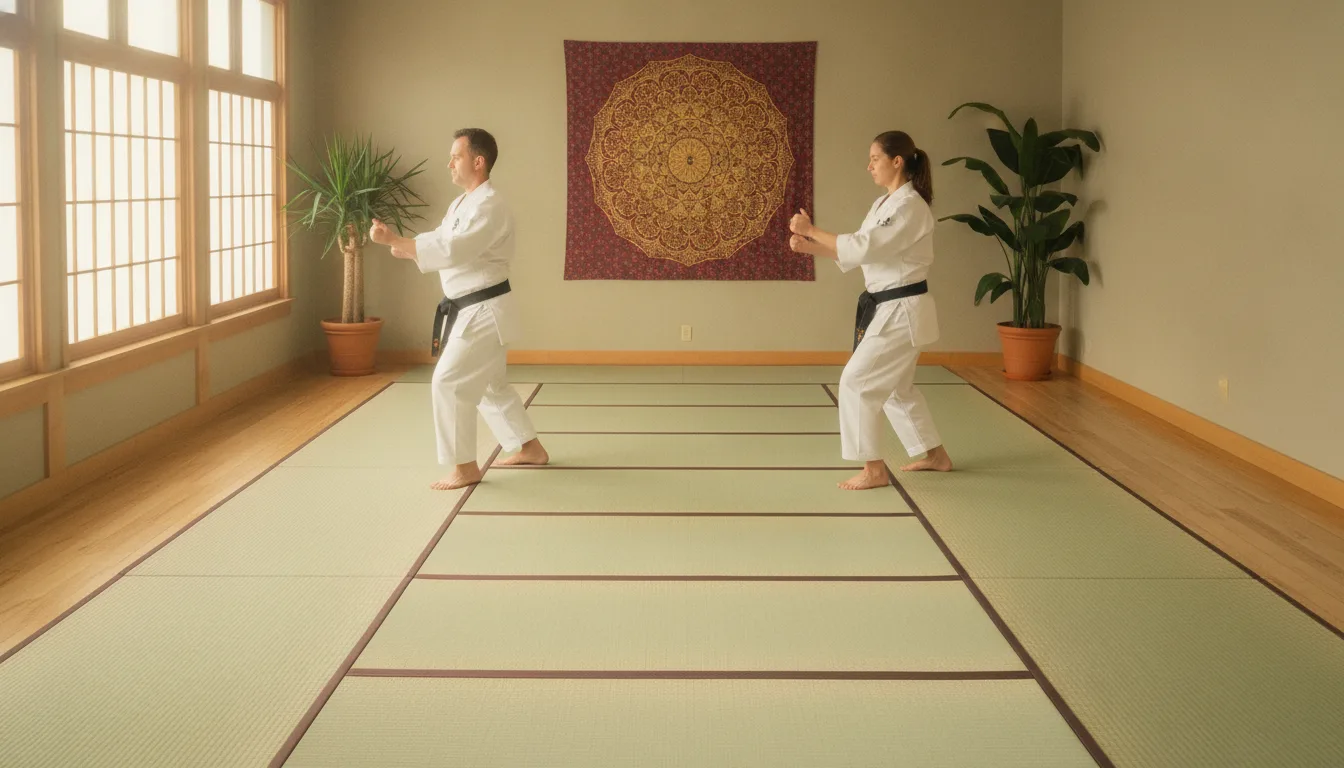
Natural floor mats contribute not only to aesthetics but also to overall health and wellness. The materials used in these mats promote better air quality by absorbing moisture and preventing the growth of allergens. For those practicing yoga or meditation, a natural floor mat can provide a comfortable and stable surface, enhancing your practice.
Exploring Tatami Mats in India
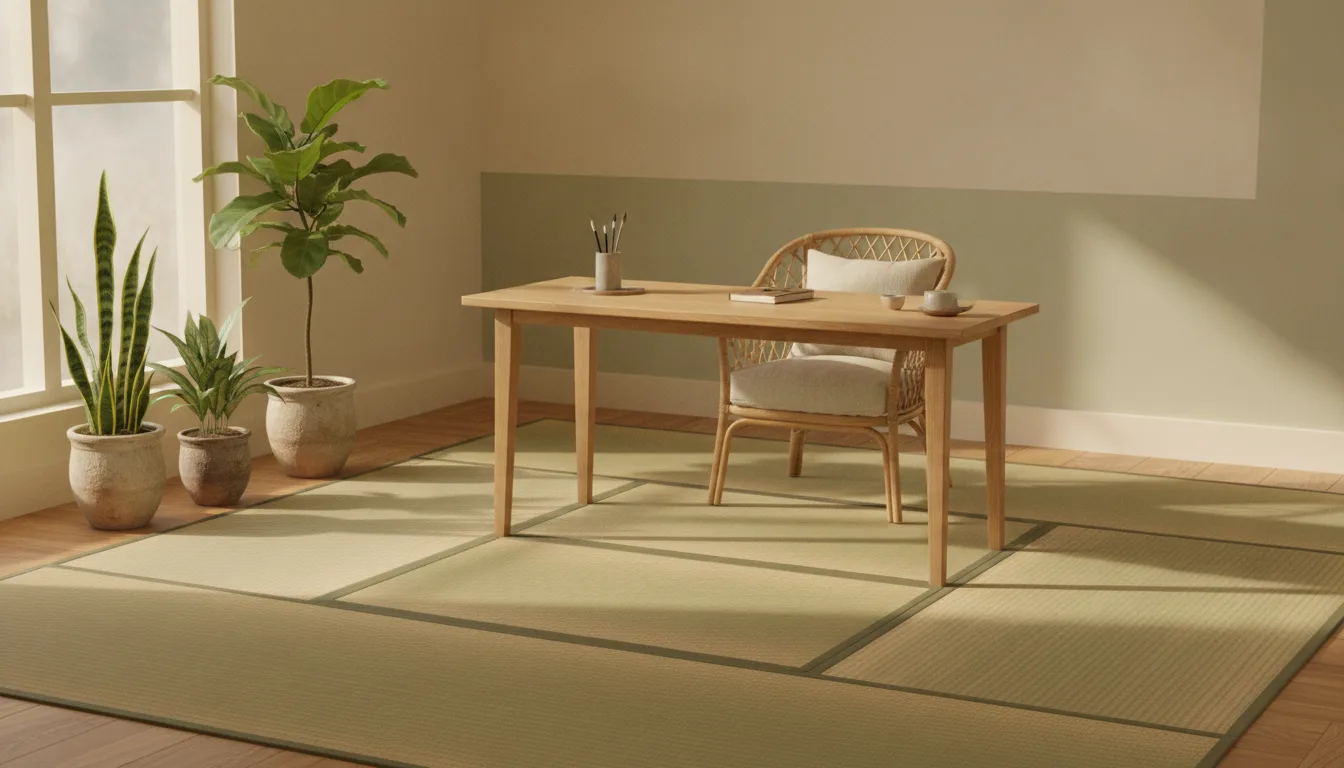
Tatami mats, made from Igusa rush grass, are a traditional Japanese flooring option that is gaining popularity in India. Known for their unique texture and natural cooling properties, these mats are an excellent choice for warm climates, especially in humid regions. Because of their breathable nature, they offer a refreshing feel during the monsoon season, making them a versatile choice for Indian homes.
Differences Between Tatami Mats and Other Natural Mats
Tatami mats differ significantly from conventional Indian natural mats like Madurkathi. While both types are made from natural materials, tatami provides a denser and sturdier surface. It also features a woven surface that adds depth and texture, appealing to those looking to invest in Japanese floor decor.
Choosing the Right Natural Floor Mat for Your Space
Factors to Consider
- Material: Different materials have varying aesthetic and functional attributes. Cotton and jute mats offer softness, while reed mats provide firmness.
- Room Usage: Consider the purpose of the space. For yoga studios or meditation rooms, choose softer materials for comfort.
- Size and Thickness: Evaluate the dimensions of your room and the thickness of the mat needed to achieve the desired comfort and look.
Planning a Tatami Room in Your Home
How to Plan a Tatami Room
- Measure the usable floor area.
- Decide how the room will be used; for meditation, sleep, or relaxation.
- Select suitable mat dimensions that fit the planned layout.
- Plan the arrangement to optimize space, keeping flow and function in mind.
- Consider low furniture to complement the tatami aesthetic.
- Check for adequate ventilation and humidity control.
- Plan for cleaning and maintenance to retain the mat's longevity.
- Confirm the final quantity and order accordingly.
Myth vs Fact: Common Misconceptions About Mats
Myth: All mats are the same.
Fact: Mats, especially natural ones, vary significantly in materials, textures, and use. Understanding these differences helps in selecting the right type for specific needs.
Myth: Tatami is simply a rug.
Fact: Tatami mats have an authentic heritage defined by unique construction methods, primarily utilizing Igusa rush grass, which differentiates them from regular rugs.
Myth: Natural mats require no maintenance.
Fact: While they are low-maintenance, regular cleaning and care are crucial to prolong their lifespan.
Myth: Tatami cannot work in Indian homes.
Fact: With proper planning and care, tatami can thrive in diverse Indian climates, including humid and dry regions.
Myth: All natural mats are eco-friendly.
Fact: It's essential to verify the sourcing and construction of mats to ensure they are genuinely eco-friendly.
Practical Example: Tatami in a Mumbai Apartment
In a Mumbai apartment, a couple aimed to create a tranquil meditation room. The space, measuring 12x10 feet, was originally furnished with a foam mat, which proved too hot and felt synthetic. After considering tatami for its natural properties and aesthetic appeal, they chose a set of Igusa mats due to their cooling effect and unique texture. The mats were complemented by low wooden furniture, handmade cushions, and soft lighting. During the humid monsoon season, the tatami mats provided excellent ventilation, thus creating a serene atmosphere perfect for meditation. Maintenance was straightforward, involving regular dust removal and careful management of humidity to prevent moisture retention.
Buying Guide: What to Look for in Natural Mats
When purchasing an Indian natural floor mat, consider the following factors:
- Authenticity: Ensure the product is genuine, especially for tatami mats, which should be made from Igusa rush.
- Material Quality: Evaluate the material's durability and comfort level according to your needs.
- Dimensions: Check the dimensions to match your available space.
- Room Suitability: Determine if the chosen mat suits the intended room, be it a bedroom, studio, or hospitality setting.
- Ventilation Needs: Assess ventilation to avoid moisture buildup.
Care and Maintenance of Natural Mats
To maintain your natural floor mat effectively:
- Regularly dust the surface to prevent dirt accumulation.
- Use a damp cloth for gentle cleaning; avoid soaking the mats.
- Promptly manage spills to prevent damage.
- Ensure proper ventilation to keep the mat dry, especially in humid conditions.
- Examine mats periodically for signs of wear and tear.
Integrating Tatami into Indian Interior Design
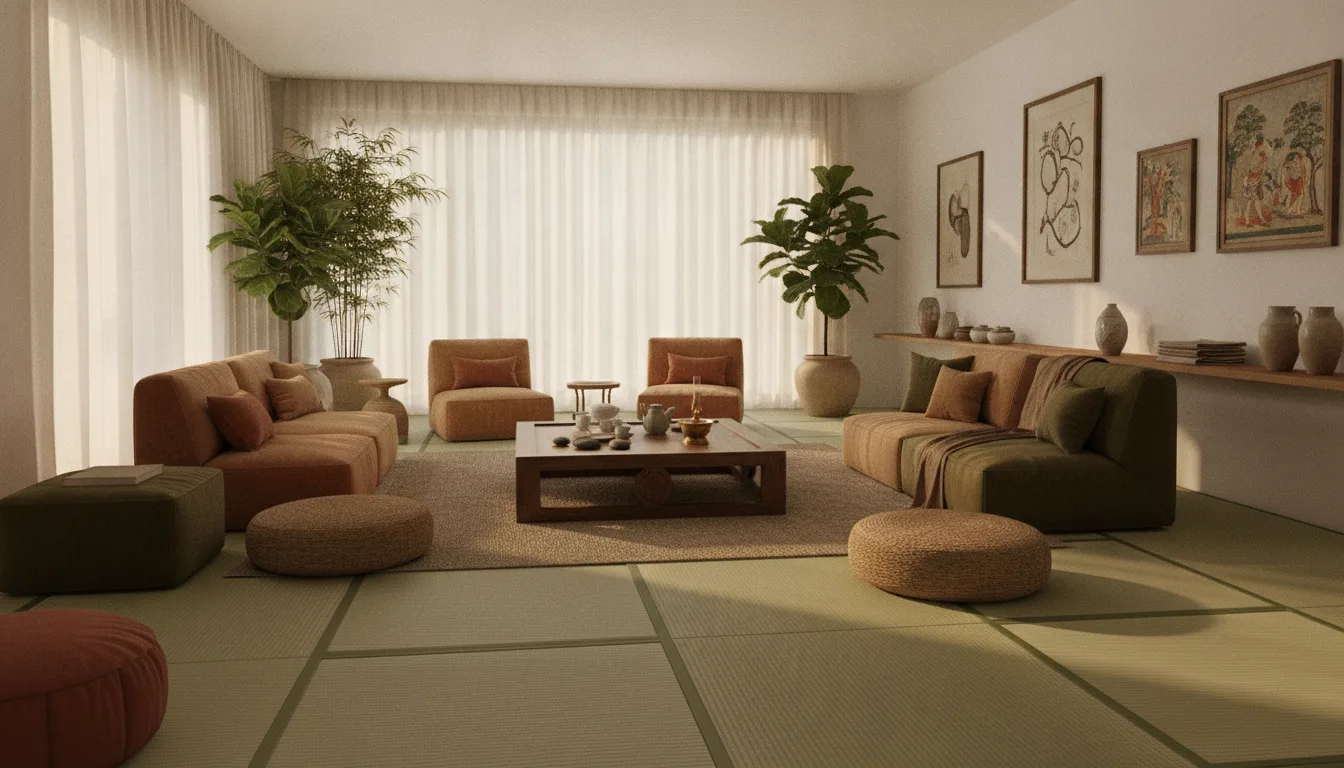
When incorporating tatami into your interior design, consider harmony in material selection. Pair tatami mats with elements such as timber, cotton, and cane to foster a balanced aesthetic. Embrace low furniture styles, as they align well with the tatami vibe. Neutral palettes can further enhance the serene atmosphere, while handmade Indian textiles introduce warmth and character to the space.
Frequently Asked Questions (FAQ)
What types of natural floor mats are available in India?
India offers a variety of natural floor mats, including jute, cotton, reed, and tatami mats. Each material has its unique characteristics, making it suitable for different applications, such as yoga studios, living rooms, or meditation spaces.
How do I maintain my tatami mat?
Maintaining a tatami mat involves regular dusting and gentle cleaning with a damp cloth. It's essential to avoid excessive moisture and ensure proper ventilation, especially in humid climates, to prolong the mat's lifespan.
Can tatami mats be used in humid climates?
Yes, tatami mats are suitable for humid climates, as they regulate moisture effectively and provide a natural cooling effect. Proper care, including ventilation, enhances their durability.
Where can I buy authentic tatami mats in India?
Authentic tatami mats can be purchased from specialty retailers like Tatami Mat, which offers a selection of high-quality mats crafted from Igusa rush.
Are natural floor mats eco-friendly?
Not all natural floor mats are eco-friendly. It’s crucial to verify the sourcing and materials used in their construction to ensure they are sustainable and non-toxic.