Culture
The Art of Yoga: Embracing Traditional Grass Mats in India
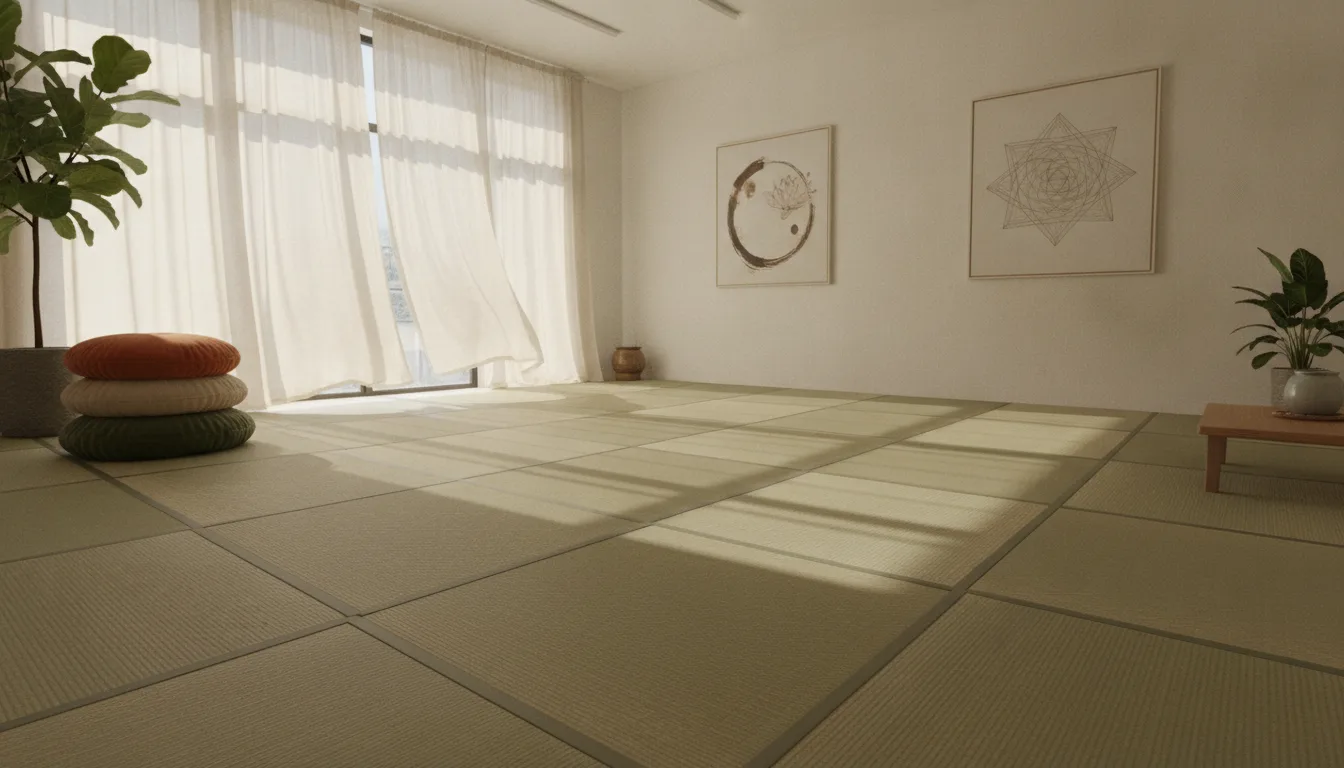
Yoga enthusiasts often seek the perfect environment to practice, and the choice of flooring plays a crucial role. Traditional grass mats, particularly Japanese tatami mats, offer unique benefits that enhance the yoga experience. These mats not only provide a comfortable surface but also contribute to the overall atmosphere of peace and mindfulness that yoga embodies. This article will delve into the significance of using a traditional grass mat in India, exploring its cultural roots, practical benefits, and how it can be seamlessly integrated into various settings.
Understanding Traditional Grass Mats
Traditional grass mats are floor coverings made from natural materials such as Igusa rush grass, which is mainly sourced from Japan. These mats have been used for centuries in Japanese homes and are central to Japanese culture. Their unique construction involves weaving the rush grass into a breathable and durable surface that not only feels great underfoot but also offers significant aesthetic appeal. The use of these mats in yoga aligns with the practice's core principles of harmony with nature and mindfulness.
Why Use a Traditional Grass Mat for Yoga?
Incorporating a traditional grass mat into your yoga practice can significantly enhance your experience. Here are some compelling reasons to choose a yoga tatami mat:
- Natural Materials: Made from Igusa rush grass, these mats are free from harmful chemicals and promote a healthy indoor environment.
- Comfort and Support: The woven surface provides a firm yet comfortable base, ideal for stability during various yoga poses.
- Enhanced Breathability: The breathable nature of Igusa helps regulate temperature, making it suitable for both humid and dry climates.
- Aesthetic Appeal: The natural, serene look of tatami mats can elevate the ambiance of your yoga space, promoting relaxation and mindfulness.
Comparison: Authentic Igusa Tatami vs. Foam Flooring vs. Conventional Rugs
| Feature | Authentic Igusa Tatami | Foam Flooring | Conventional Rugs |
|---|---|---|---|
| Material | Natural Igusa rush grass | Synthetic foam | Varied (wool, synthetic, etc.) |
| Construction | Woven surface | Foamed | Varied (woven, tufted, etc.) |
| Surface | Firm but comfortable | Soft and cushioned | Soft, varies by material |
| Visual Character | Natural, rustic | Modern, often artificial | Variety of styles |
| Room Suitability | Yoga rooms, living areas | Children’s play areas | Lounge, bedrooms |
| Moisture Considerations | Moisture-wicking | Can retain moisture | Varies by material |
| Cleaning | Easy maintenance | Simple wipe-down | Depends on rug type |
Planning Your Tatami Room in India
Creating a dedicated space for yoga or meditation using tatami mats can transform your practice. Here’s a step-by-step guide to planning a tatami room in an Indian home:
- Measure the Usable Floor Area: Determine the exact dimensions of the room where you plan to practice.
- Decide How the Room Will Be Used: Will it strictly be for yoga, or will it incorporate meditation, reading, or relaxation?
- Select Suitable Mat Dimensions: Based on the available space, choose the right dimensions for your tatami mats.
- Plan the Arrangement: Consider how many mats you’d like to use and their arrangement for optimal space utilization.
- Consider Furniture: Opt for low furniture that complements the tatami mats and enhances accessibility.
- Check Ventilation and Humidity: Ensure proper airflow to keep the area dry, especially during the monsoon season.
- Plan Cleaning and Maintenance: Make a routine for regular maintenance to ensure longevity.
- Confirm the Final Quantity/Order: Once all plans are made, finalize the number of mats to order.
Myth vs Fact about Tatami Mats
All tatami mats are the same.
Many believe that all tatami mats share the same characteristics. In reality, the quality varies significantly by material and craftsmanship. Authentic Igusa mats possess unique properties that set them apart from generic alternatives.
Tatami is simply a rug.
This is a misconception; tatami mats are much more than mere rugs. They are integral to traditional Japanese culture, providing a specific support and ambiance that rugs cannot replicate.
Japanese-style foam mats are authentic tatami.
While foam mats may mimic the appearance of tatami, they lack the traditional craftsmanship and material characteristics of authentic Japanese tatami mats.
Natural Igusa requires no maintenance.
Like any flooring, Igusa mats require maintenance to ensure their longevity. Regular cleaning and attention to humidity levels are essential.
Tatami cannot work in Indian homes.
Contrary to this belief, tatami mats can seamlessly fit into Indian homes, particularly when considering regional climate and design preferences.
Realistic Indian Example: A Bengaluru Yoga Studio
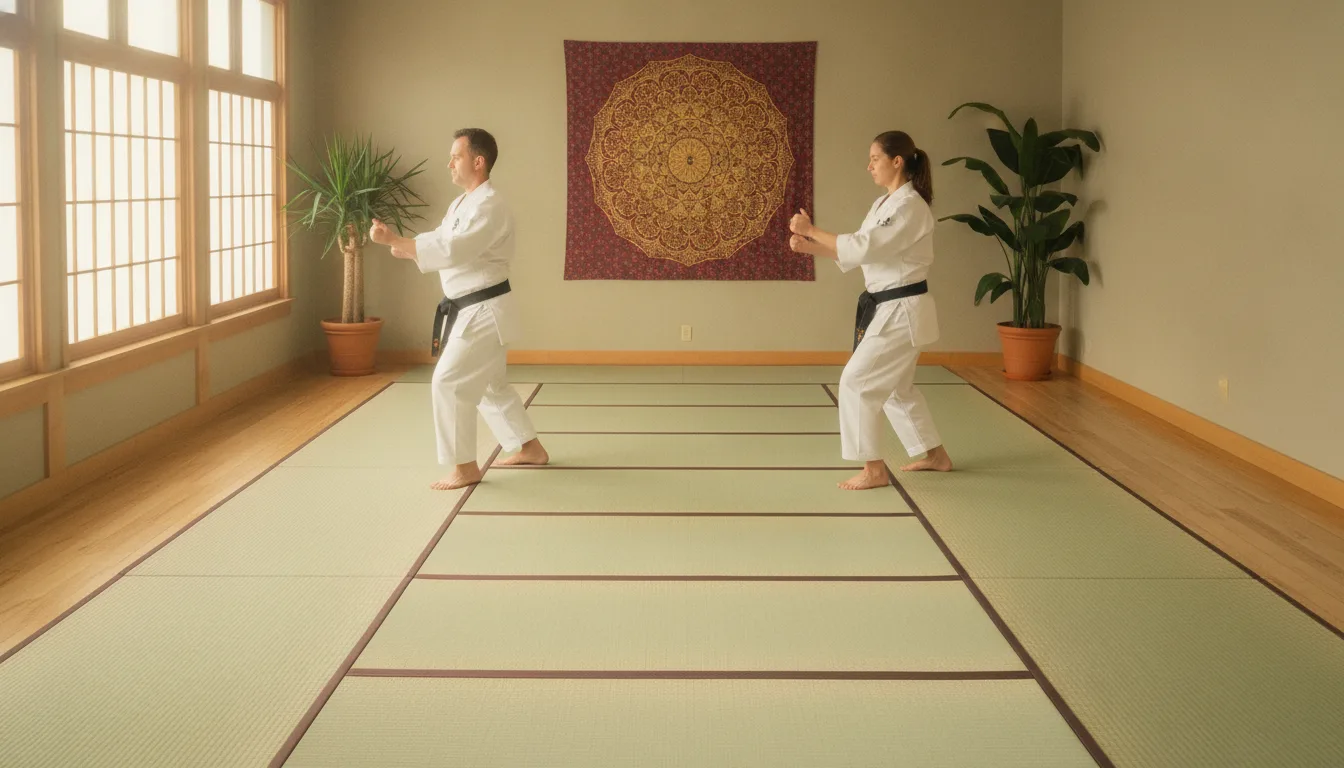
In a cozy yoga studio located in Bengaluru, the owner sought to create a calming environment for practitioners. The studio, measuring approximately 1,000 square feet, initially featured polished concrete floors. After considering various options, the owner decided to integrate authentic Japanese tatami mats. The choice was based on the mats' natural appeal and comfort.
The studio was designed with minimalistic, low furniture, including yoga props neatly stored in woven baskets. The tatami mats were arranged in a rectangular formation, providing ample space for classes. To accommodate Bengaluru’s mild yet humid climate, the owner ensured good ventilation and incorporated periodic airing of the mats to prevent moisture buildup.
The end result was a tranquil space that resonated with the essence of yoga, allowing practitioners to connect with their practice on a deeper level. The natural aesthetics of the tatami mats added to the overall ambiance, making it an inviting environment for both new and experienced yogis.
Buying Guide for Traditional Grass Mats
When considering the purchase of a traditional grass mat for your yoga space, several factors should be taken into account:
- Authenticity: Ensure that you are purchasing authentic Igusa tatami mats, as they offer the best experience.
- Material: Check that the mats are made from natural rush grass, which contributes to breathability and comfort.
- Dimensions and Thickness: Choose mats that fit your intended space and provide adequate firmness.
- Intended Room: Consider where you will be using the mats—yoga, meditation, or general flooring.
- Quantity: Assess how many mats you will need based on room size and usage.
- Floor Compatibility: Verify that your floors can support tatami mats, especially in humid environments.
- Seller/Product Information: Research the seller's reputation and read reviews to ensure quality.
- Delivery Considerations: Factor in shipping timelines and costs, especially when importing products.
Care and Maintenance of Tatami Mats
Caring for your tatami mats is essential in ensuring their longevity. Here are some tips:
- Regular Dust Removal: Use a dry cloth or vacuum with a brush attachment to keep the surface clean.
- Gentle Cleaning: For stains, use a soft cloth with mild detergent and ensure the mat dries immediately to avoid moisture damage.
- Avoiding Unnecessary Moisture: Keep mats in well-ventilated areas and avoid prolonged exposure to water.
- Prompt Spill Management: Clean up spills quickly to prevent staining.
- Ventilation: Regularly air out the mats to prevent any musty odors, especially in humid regions.
- Periodic Inspection: Check for wear and tear regularly to address any issues before they worsen.
Integrating Tatami into Indian Interiors
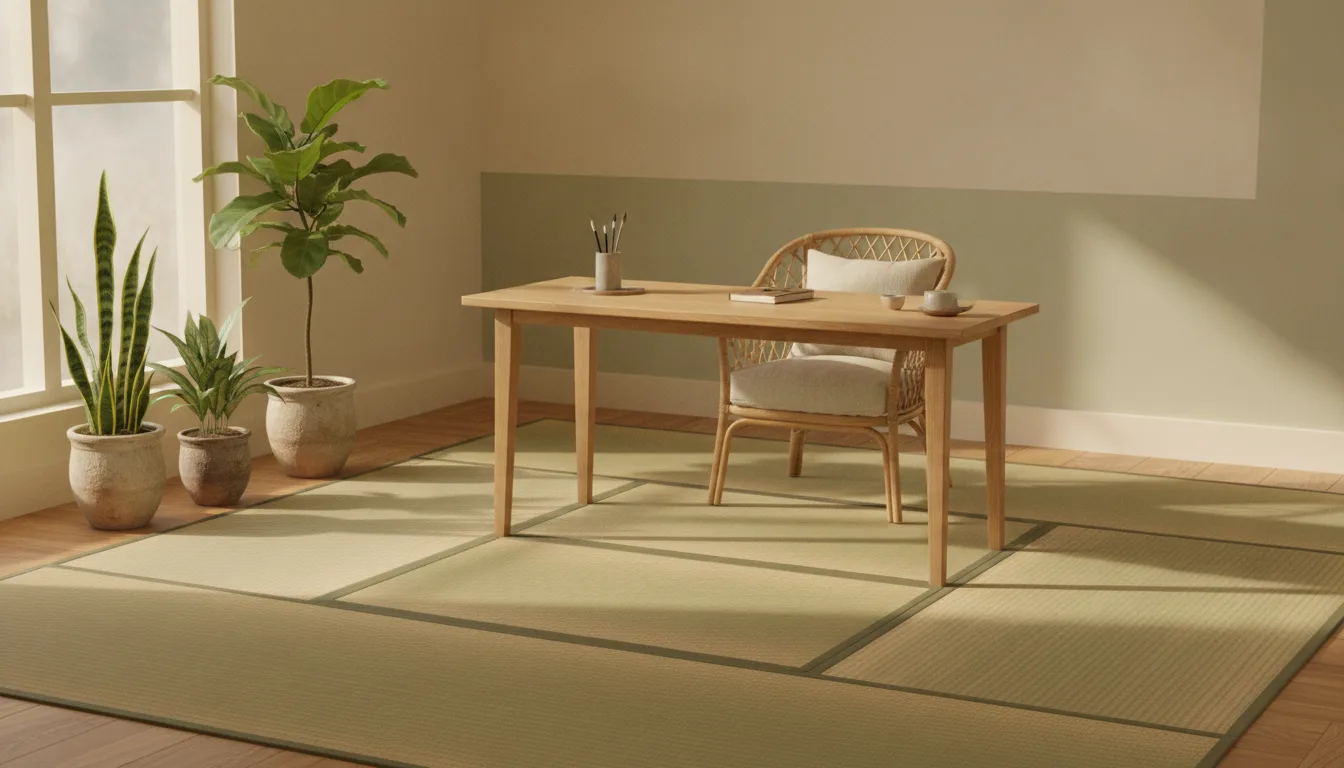
Tatami mats can beautifully complement Indian interior design. By combining elements like timber, cane, and handmade textiles, you can create a harmonious living space. Consider using neutral palettes that allow the natural colors and textures of the tatami to shine. Incorporate low furniture to maintain balance and accessibility within the space.
For a cohesive look, combine tatami with Indian cotton or linen cushions, and consider stone or wooden accents to enhance the overall atmosphere. By thoughtfully integrating these elements, you can create a serene environment that feels both modern and authentically rooted in tradition.
Frequently Asked Questions
What makes tatami mats unique?
Tatami mats are unique due to their construction from Igusa rush grass, which offers a combination of breathability and durability. Unlike conventional rugs or foam mats, tatami provides a firm yet comfortable surface that enhances physical stability during yoga practice.
Can tatami mats be used in humid climates?
Yes, tatami mats are suitable for humid climates as they naturally absorb moisture and are designed to breathe. However, it is crucial to ensure proper ventilation to maintain their condition and prevent any dampness.
How do I clean tatami mats?
Cleaning tatami mats involves regular dust removal with a soft cloth or vacuum. For spills, use a mild detergent with a damp cloth, ensuring the mat dries quickly afterward to avoid any damage.
Are tatami mats suitable for bedrooms?
Tatami mats are an excellent choice for bedrooms, providing a comfortable sleeping surface. They can enhance sleep quality by promoting natural ventilation and a calming atmosphere, particularly in warm Indian climates. For more insights on sleeping spaces, check out our article on enhancing sleep quality with Igusa mats in Indian climates.
How do I choose the right tatami mat for my needs?
To choose the right tatami mat, consider factors such as authenticity, material, dimensions, and intended use. Ensure that the mat fits your space and complements your interior design while matching your specific requirements.