Culture
Maximizing Wellness: How an Imported Tatami Mat Enhances Sleep Quality
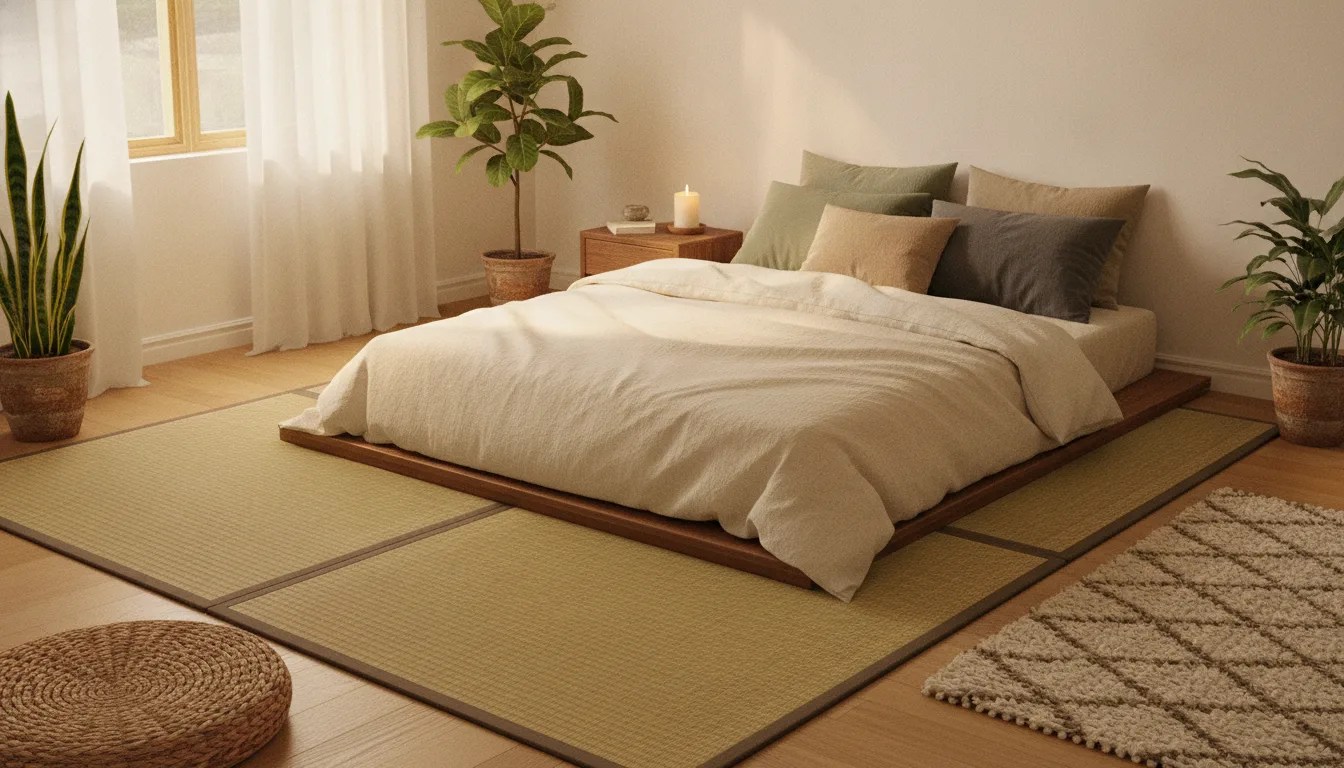
Choosing an imported tatami mat can significantly enhance your sleep quality. These traditional Japanese mats, made from Igusa rush, offer a unique sleeping experience that combines comfort, natural materials, and cultural richness. In the context of Indian homes, where climate considerations vary greatly, the use of tatami mats not only adds an aesthetic appeal but also contributes to overall wellness and restful sleep.
Understanding the Essence of Tatami Mats
Tatami mats have been central to Japanese interior design for centuries, traditionally made using Igusa rush grass, known for its breathability and natural aroma. Each mat is crafted meticulously, providing both function and a unique cultural heritage. The texture and firmness of a Japanese tatami mat cater to those seeking a more grounded sleeping experience, making it an attractive option for modern Indian interiors.
How an Imported Tatami Mat Enhances Sleep Quality
There are several practical benefits of using an imported tatami mat for sleep:
- Natural Breathability: The Igusa material allows for excellent moisture regulation, helping to keep the sleep surface dry, particularly important during India's humid monsoon season.
- Firm Support: Unlike softer foam options, a tatami mat provides firm support that can encourage better spinal alignment, promoting restful sleep.
- Natural Aroma: The scent of Igusa can bring a calming ambiance to your sleeping area, aiding relaxation.
- Cultural Aesthetics: Integrating a tatami mat adds a touch of Japanese aesthetics, creating a serene environment conducive to sleep.
- Environmental Considerations: Being made from natural materials, these mats contribute to a sustainable lifestyle.
Comparing Tatami Mats to Other Sleeping Surfaces
Authentic Igusa Tatami vs Foam Flooring vs Conventional Rugs
| Feature | Authentic Igusa Tatami | Foam Flooring | Conventional Rugs |
|---|---|---|---|
| Material | Natural Igusa rush | Synthetic foam | Varies (wool, cotton, synthetic) |
| Construction | Woven surface, rice straw core | Layered synthetic | Varies by type |
| Surface | Textured and firm | Soft and cushioned | Variable soft/fluffy |
| Visual Character | Traditional, natural look | Modern, often plain | Colorful, patterned |
| Room Suitability | Suitable for bedrooms, meditation rooms | General home use | Living areas, bedrooms |
| Moisture Considerations | Regulates humidity | Can retain moisture | Varies, may absorb moisture |
| Cleaning | Easy to maintain | Easy to clean | Depends on material |
| Portability | Moderate | Very portable | Variable |
| Interior Style | Traditional, Japanese-inspired | Modern, contemporary | Diverse styles |
| Typical Use | Sleeping, meditation | General flooring | Decorative and functional |
The Unique Properties of Japanese Tatami
The use of an imported tatami mat is not just about aesthetics; the properties of Igusa rush grass lend unique benefits that can enhance your sleeping environment:
- Thermal Regulation: Tatami mats can help maintain a comfortable body temperature by wicking moisture away during high humidity.
- Antimicrobial Properties: The natural fibers resist mold and bacteria, making them a healthier choice for sleeping.
- Resilience: Unlike synthetic mats, tatami mats have a long lifespan, providing value over time.
Step-by-Step Guide: Planning a Tatami Room in an Indian Home
If you're considering incorporating a tatami mat into your home, follow these steps:
- Measure the Usable Floor Area: Begin by assessing the area where you plan to place the tatami mat, considering any furniture that will be involved.
- Decide How the Room Will Be Used: Identify whether it’s for sleeping, meditation, or other purposes.
- Select Suitable Mat Dimensions: Choose the size based on your space and intended use; round tatami mats can offer unique space solutions.
- Plan the Arrangement: Visualize how the mat will fit with your furniture layout.
- Consider Furniture: Opt for low-profile furniture to complement the tatami aesthetic.
- Check Ventilation and Humidity: Make sure the room has good airflow to avoid moisture accumulation.
- Plan Cleaning and Maintenance: Establish a routine for dusting and spot cleaning as needed.
- Confirm the Final Quantity/Order: After deciding on all factors, place your order through Tatami Mat.
Myth vs Fact
1. All Tatami Mats are the Same
False. Authentic tatami mats are specifically made from Igusa rush, while others may use synthetic materials that mimic their appearance but lack the benefits of genuine tatami.
2. Tatami is Simply a Rug
False. Tatami mats are structural elements of traditional Japanese flooring and have specific dimensions and usage that differentiate them from typical rugs.
3. Japanese-Style Foam Mats are Authentic Tatami
False. Only mats made from Igusa rush are considered true tatami; foam mats do not provide the same aesthetic or wellness benefits.
4. Natural Igusa Requires No Maintenance
False. While it's relatively easy to care for, tatami does need regular maintenance, such as dust removal and moisture management.
5. Tatami Cannot Work in Indian Homes
False. Tatami mats can be effectively integrated into Indian homes, provided considerations for climate and maintenance are addressed.
Practical Example: A Delhi Meditation Room
Imagine transforming a small, 150-square-foot meditation room in a Delhi apartment into a tranquil oasis using an imported tatami mat. Originally, the space was decorated with standard foam mats, which struggled to cope with the humidity during the monsoon season. After recognizing the need for a more suitable surface, a Japanese tatami mat was chosen for several reasons. The room features a large window providing adequate ventilation, and the tatami mat's natural fibers help absorb excess moisture, preventing mold.
Low furniture, like a wooden bench and cushions made from organic cotton, invite comfort during meditation sessions. The textured surface of the tatami contributes to grounding, enhancing the meditative experience. Regular maintenance involves simple dusting and ensuring the area stays dry, which fits seamlessly into the client’s lifestyle.
Buying Guide: What to Check Before Purchasing
Before investing in a tatami mat, consider the following:
- Authenticity: Ensure you’re purchasing genuine Igusa tatami from reputable sellers.
- Material: Check for high-quality craftsmanship and natural materials.
- Dimensions: Confirm the size fits your intended space and purpose.
- Thickness: Thicker mats generally offer more comfort but may require more care.
- Construction: Review the details of the mat’s construction to ensure it meets your needs.
- Intended Room: Consider the environment and usage to choose the right mat.
- Ventilation: Ensure the room has proper airflow to maintain the mat’s integrity.
- Maintenance: Understand the care requirements before making a purchase.
Care and Maintenance of Your Tatami Mat
Maintaining your imported tatami mat is crucial for its longevity and performance. Here are some care tips:
- Regular Dust Removal: Vacuum or sweep to keep the surface clean, avoiding any harsh chemicals.
- Gentle Cleaning: Use a damp cloth for spot cleaning; avoid soaking the mat.
- Avoid Unnecessary Moisture: Do not expose the mat to excessive water, which can damage the fibers.
- Prompt Spill Management: Clean any spills immediately to prevent staining or mold.
- Ventilation: Regularly air out the mat to prevent humidity buildup.
- Storage: If moving, roll the mat instead of folding to preserve its shape.
- Periodic Inspection: Check for any signs of wear or damage to address them early.
Integrating Tatami into Indian Interiors
Tatami mats can be harmoniously integrated into Indian interior design, creating a balanced aesthetic while drawing from both cultures. Consider using tatami with:
- Wood: Pair tatami with timber furniture for a natural look.
- Textiles: Combine with Indian textiles like cotton and linen to enhance comfort.
- Cane and Stone: Integrate these materials for a rustic yet elegant feel.
- Low Furniture: Opt for seating that matches the tatami height for a seamless design.
- Neutral Palettes: Use warm, earthy tones to complement the tatami’s natural hues.
This blend creates a serene space that embodies both comfort and style, adapting to contemporary Indian life while honoring traditional Japanese design principles.
Frequently Asked Questions
What are the primary benefits of using an imported tatami mat?
Imported tatami mats enhance sleep quality through their natural breathability, firm support, and cultural aesthetics. The Igusa rush material helps regulate humidity, making them particularly suitable for humid climates.
How do I care for my tatami mat?
Regular dust removal, gentle cleaning with a damp cloth, and avoiding excess moisture are crucial for maintaining a tatami mat. Ensure proper ventilation and address spills promptly for optimal care.
Can tatami mats be used in humid areas?
Yes, tatami mats are effective in humid regions due to their moisture-regulating properties. They can help keep the sleeping surface dry, making them suitable for Indian monsoon conditions.
Are all tatami mats the same?
No, authentic tatami mats are made from Igusa rush, while others may use synthetic materials. Authentic mats provide unique benefits that synthetic options cannot match.
What should I look for when purchasing a tatami mat?
Buyers should check for authenticity, material quality, suitable dimensions, and maintenance requirements. Ensuring the mat complements your intended space is also crucial.