Culture
How to Create the Ideal Japanese Tatami Room for Relaxation and Mindfulness
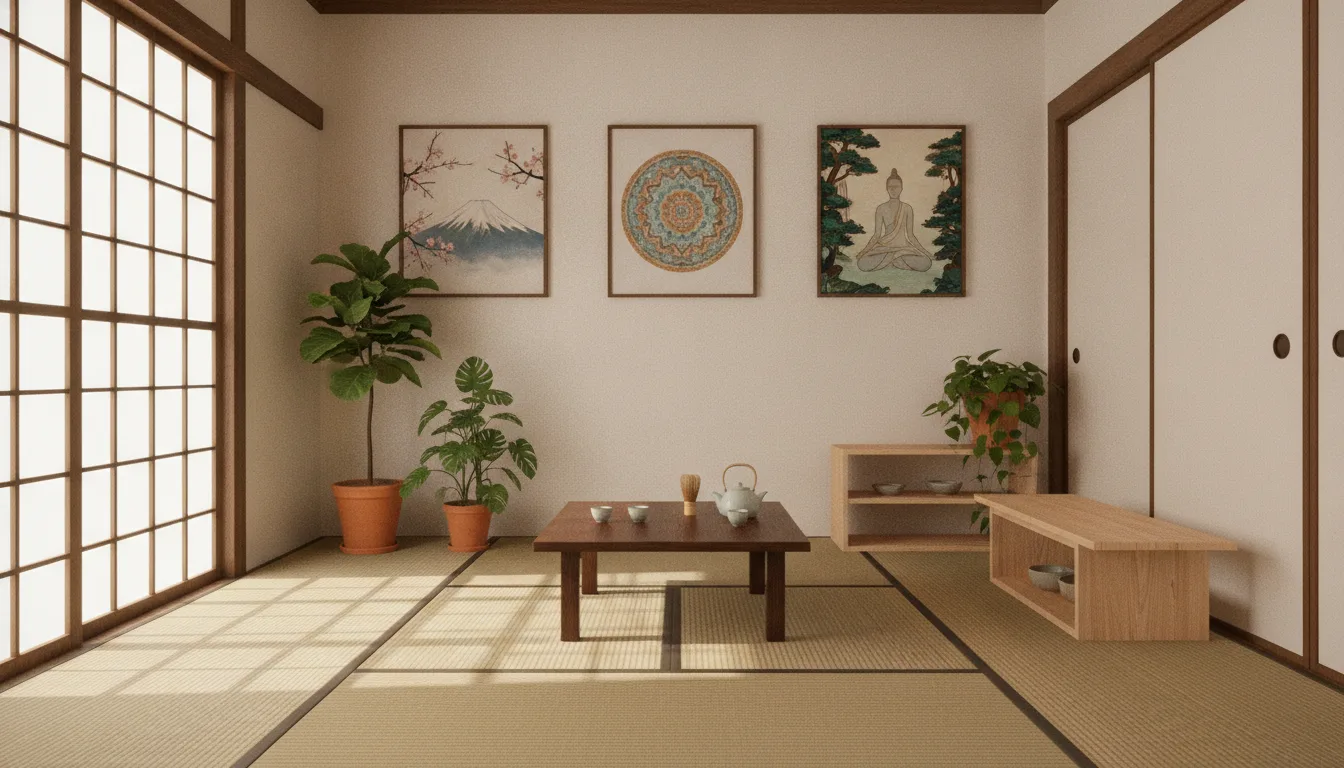
Creating the ideal Japanese tatami room involves blending traditional aesthetics with modern usability, ensuring a relaxing space that fosters mindfulness. Whether you're aiming for a meditation nook, a yoga space, or simply a serene corner in your home, understanding the nuances of tatami and its cultural significance can greatly enhance your design.
Understanding Tatami and Its Cultural Significance
Tatami has been a staple in Japanese interiors for centuries, prized not only for its unique texture but also for the comfort and atmosphere it brings to a room. Made from Igusa rush, authentic tatami mats are woven to provide a distinct experience, different from conventional flooring options. The rich cultural history behind tatami enhances its appeal in creating spaces for relaxation and mindfulness.
Why Choose a Tatami Room for Mindfulness?
Tatami rooms are designed to promote tranquility and focus. The natural materials help in regulating room temperature and humidity, making them an excellent choice for the diverse climates found in India. The softness of tatami can be particularly inviting when paired with low furniture, encouraging relaxation and an easy transition into activities like meditation and yoga.
Planning Your Japanese Tatami Room
1. Measure Your Space
Begin by measuring the dimensions of the room you want to transform into a tatami space. Consider the layout and how much of the floor you would like to cover with tatami mats, allowing room for furniture or other decorative elements.
2. Choose the Function of the Room
Define the room's primary purpose—will it be a dedicated meditation room, a yoga space, or simply a relaxing area? This will impact your choice of furniture and the arrangement of your tatami mats.
3. Select Suitable Mat Dimensions
Tatami mats come in various sizes. Selecting the appropriate dimensions is crucial. For a typical Japanese tatami mat, the standard size is about 90cm x 180cm. Consider customizing your mats from Tatami Mat to fit your unique space.
4. Consider Ventilation and Humidity
In Indian homes, humidity can significantly affect the lifespan of tatami mats. Ensure your room has adequate ventilation to prevent moisture buildup, especially during the monsoon season.
5. Plan Furniture Arrangement
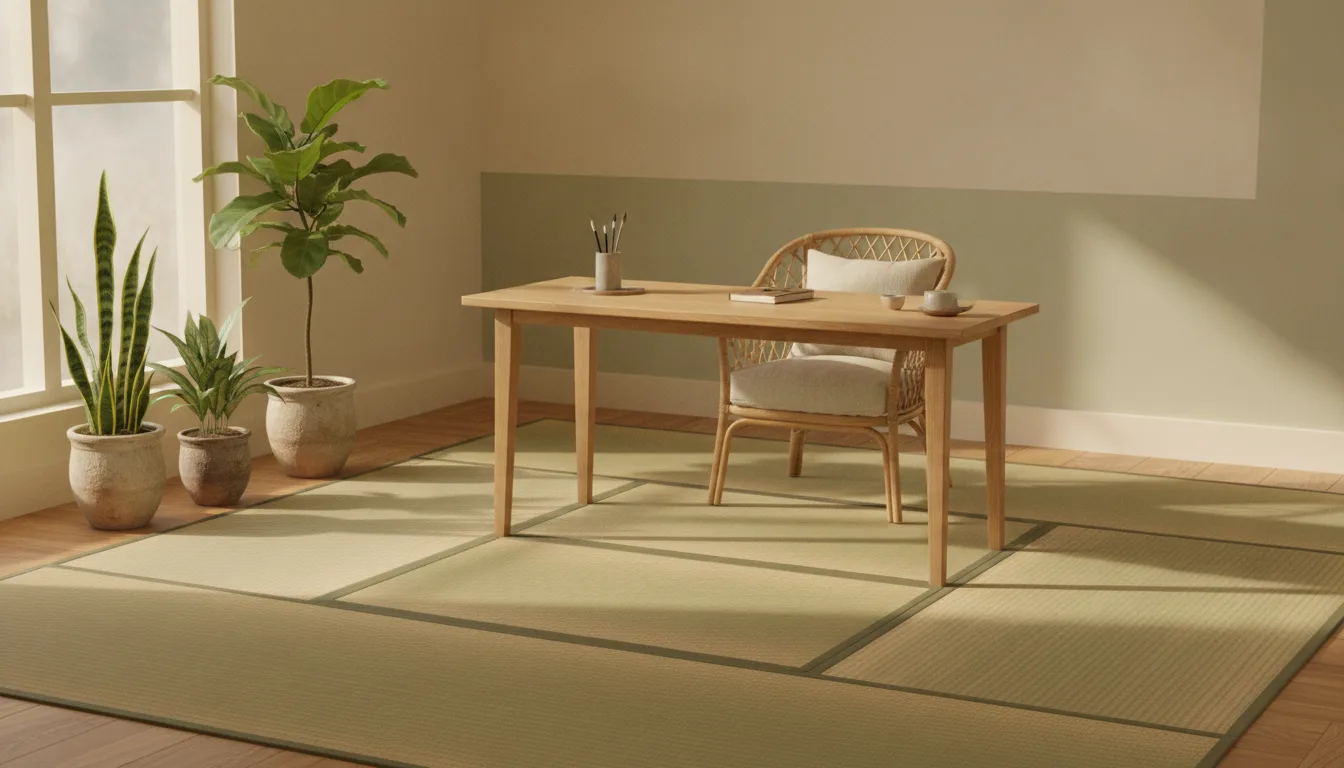
Low furniture works best with tatami. Consider pieces made from natural materials such as wood or cane. Avoid heavy furniture that might overwhelm the space.
Choosing the Right Tatami Mats
Authenticity Matters
When selecting tatami mats, prioritize authenticity. Authentic Japanese tatami is made from Igusa rush, known for its durability and natural scent. Discuss your needs with suppliers like Tatami Mat to ensure you are getting quality materials.
Thickness and Firmness
Choosing the right thickness is crucial for comfort, especially if the room will be used for meditation or yoga. Standard tatami mats are about 5cm thick, providing a firm yet comfortable base.
Comparison: Tatami vs Other Flooring Options
| Feature | Authentic Igusa Tatami | Foam Flooring | Conventional Rugs |
|---|---|---|---|
| Material | Natural Igusa rush | Synthetic foam | Various fabrics |
| Construction | Woven, layered | Single layer | Varies |
| Moisture Considerations | Regulates humidity | Can trap moisture | Varies |
| Cleaning | Vacuum, dry cloth | Easy wipe | Varies |
| Interior Style | Traditional, Zen | Modern, casual | Varies widely |
Myth vs Fact
Myth 1: All tatami mats are the same
Fact: There are various types of tatami mats, distinguished by their materials, construction, and quality. Authentic tatami is made from Igusa rush, while synthetic options may lack the same benefits.
Myth 2: Tatami is just a rug
Fact: Tatami mats are not mere rugs; they are integral to traditional Japanese flooring, offering specific structural and aesthetic qualities.
Myth 3: Japanese-style foam mats are authentic tatami
Fact: Foam mats may mimic the appearance of tatami but do not share the same traditional craftsmanship or material benefits.
Myth 4: Natural Igusa requires no maintenance
Fact: While they are durable, tatami still requires regular dusting and occasional cleaning to maintain their appearance and longevity.
Myth 5: Tatami cannot work in Indian homes
Fact: With proper care and attention to humidity, authentically sourced tatami can be a delightful addition to Indian interiors.
Practical Example: A Mumbai Apartment's Tatami Room
In a cozy Mumbai apartment, a couple transformed a small bedroom into a serene meditation room. The room measured about 12 x 10 feet and initially contained standard furniture. The couple decided to replace their conventional flooring with tatami mats to enhance the meditative atmosphere. They opted for custom-sized mats that fit the space perfectly, allowing for a seamless look.
To maintain ventilation, they installed a ceiling fan and placed the mats close to a window to allow for air circulation. The final arrangement included low-profile furniture made from reclaimed wood, ensuring that the room felt open and inviting. This transformed space now serves as both a tranquil meditation nook and a cozy area for reading, demonstrating how tatami can elevate everyday living.
Care and Maintenance of Tatami Mats
Regular Dust Removal
Dust your tatami mats regularly using a soft brush or a vacuum with a suitable attachment. This prevents dirt buildup and maintains their natural beauty.
Gentle Cleaning
For spills or stains, clean them immediately with a damp cloth and a mild detergent. Avoid soaking the mats, as excessive moisture can lead to mold.
Avoiding Excess Moisture
Since tatami mats can absorb moisture, ensure your room is well-ventilated, especially during monsoons or in high humidity areas. This will prolong their lifespan.
Periodic Inspection
Regularly check your tatami mats for signs of wear or damage. Prompt attention can help you avoid costly repairs or replacements.
Creating a Cohesive Interior Design
When incorporating tatami into your Indian home, consider materials that harmonize well with the natural aesthetic of tatami. Wood, cotton, and linen complement the textured surface beautifully. Using neutral palettes paired with pops of color can help maintain a serene environment while still allowing for personal expression.
Low furniture and ample space help accentuate the tatami, promoting a sense of openness. Integrating traditional Indian textiles can blend cultural elements, creating a harmonious ambience that feels both Japanese and Indian.
FAQs About Japanese Tatami Rooms
What are the best sizes for tatami mats in a room?
Standard tatami mats are typically 90cm x 180cm, though you can customize dimensions to fit your space. Choosing the right size depends on your specific room requirements and furniture choices.
Can tatami mats work in humid climates?
Yes, tatami mats can work in humid climates with proper care. Ensure good ventilation and avoid excessive moisture by regularly inspecting your tatami for any signs of mold or mildew.
How often should I clean my tatami mats?
A regular cleaning schedule is essential. Dust your mats weekly and perform a gentle cleaning monthly or whenever spills occur. Follow care instructions for maintaining their quality.
Can I use tatami mats for yoga?
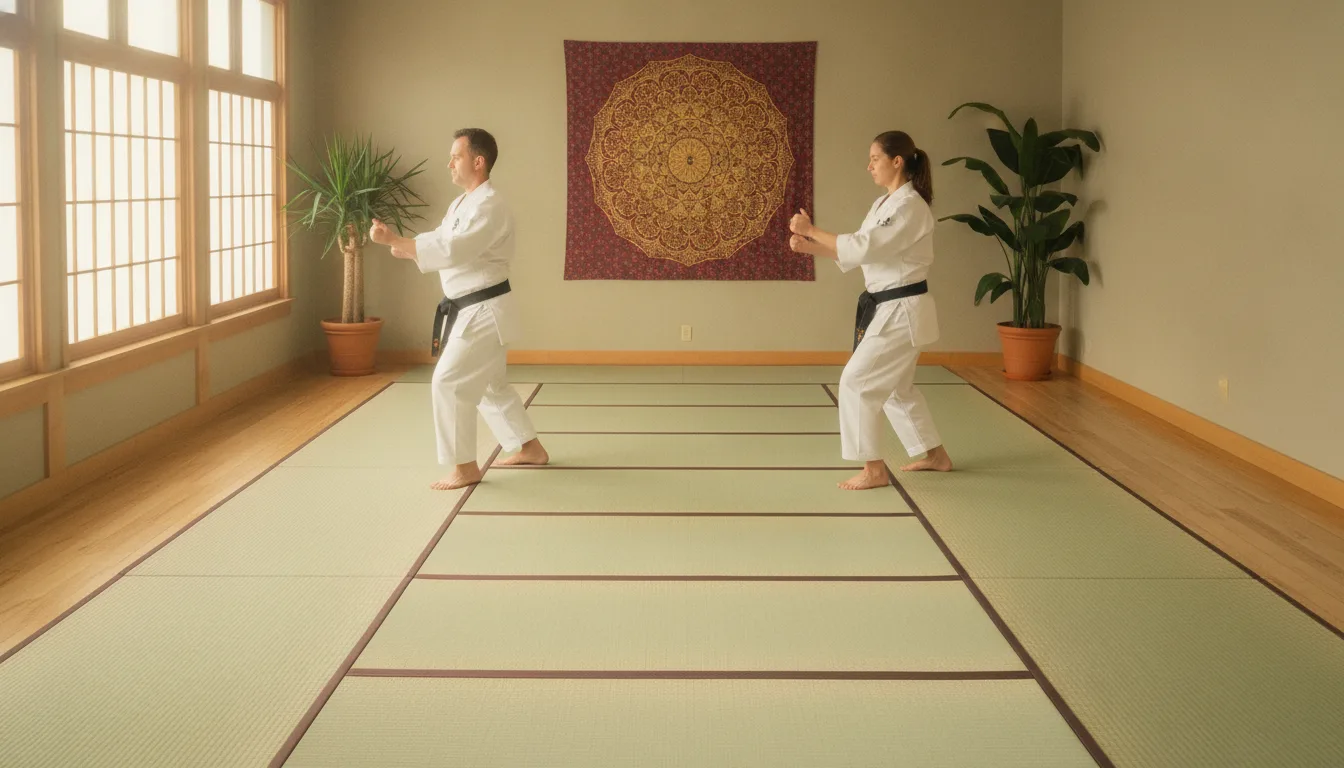
Absolutely! Tatami mats offer a firm yet comfortable surface, making them suitable for yoga. They provide the right amount of grip, enhancing stability during practice.
Where can I buy authentic tatami mats in India?
You can find a range of authentic tatami mats at Tatami Mat. They offer various collections, including luxury options tailored for your needs.
Final Practical Takeaway
Creating a Japanese tatami room requires careful planning and an appreciation of its cultural significance. By selecting authentic materials, thoughtfully arranging your space, and maintaining your tatami mats properly, you can achieve a relaxing environment that enhances mindfulness and well-being. Invest in quality tatami from sources like Tatami Mat to ensure your space is both beautiful and functional.