Culture
How to Choose the Perfect Handwoven Mat for a Yoga Retreat in India
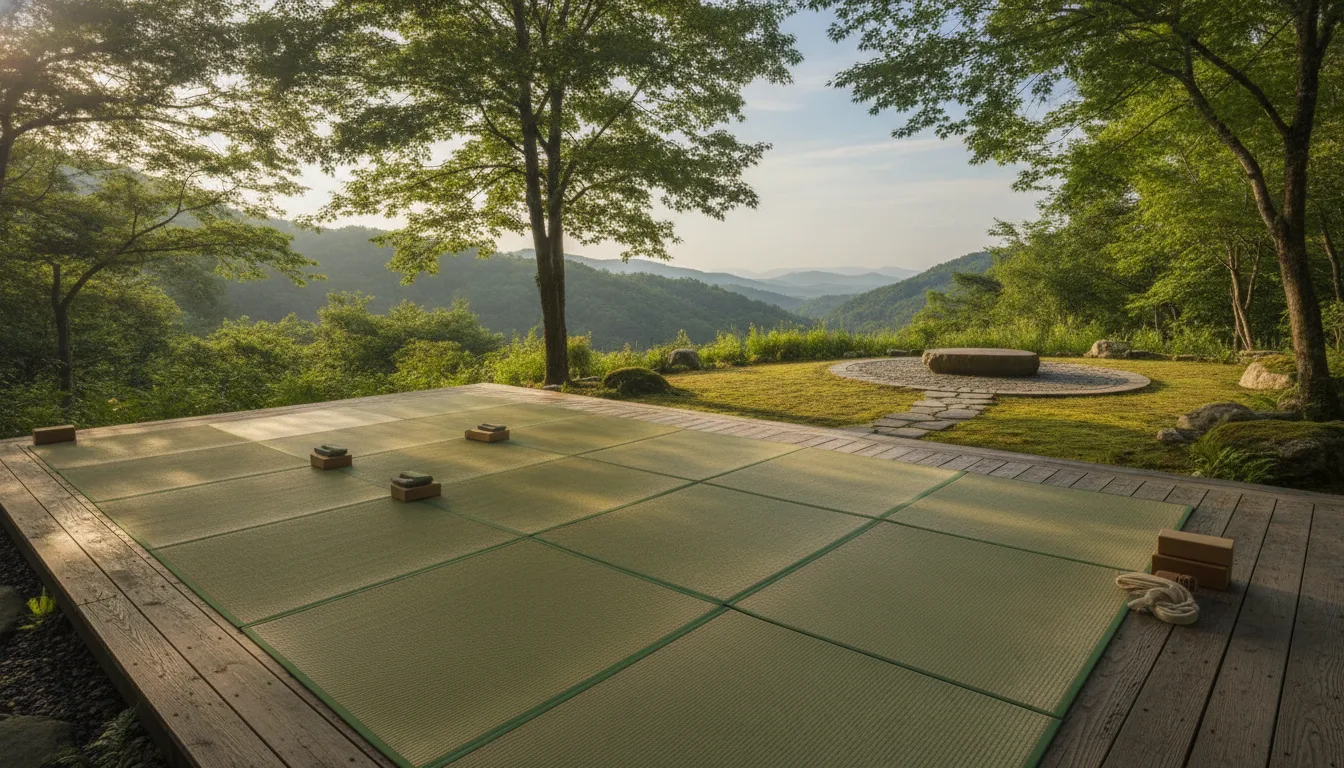
Choosing the right handwoven mat in India for a yoga retreat is essential to create a serene environment that enhances your practice. Authentic Japanese Igusa tatami mats stand out due to their natural texture, durability, and aesthetic appeal. This guide will help you navigate through various factors to find the perfect mat for your yoga experience.
Cultural Significance of Handwoven Mats
Handwoven mats have a deep-rooted cultural significance in both Japanese and Indian societies, historically serving as functional art in homes and spaces for meditation and wellness. While Indian culture embraces various types of natural flooring, the Japanese Igusa tatami mat introduces a unique blend of tradition and modernity, providing an eco-friendly option for yoga studios and retreats.
Understanding Igusa Tatami Mats
Igusa tatami mats are made from the rush plant, predominantly found in Japan. These mats are celebrated for their breathable qualities, making them highly suitable for various climates, including the humid conditions often encountered in India. Unlike synthetic mats, tatami provides a natural feel underfoot, enhancing comfort during yoga practices.
Benefits of Using Tatami Mats for Yoga
- Durability: Tatami mats are crafted to withstand wear and tear, making them ideal for frequent use in yoga retreats.
- Natural Material: Made from natural Igusa rush, tatami mats are free from harmful chemicals, promoting a healthy environment.
- Moisture Resistance: The inherent properties of Igusa make these mats resistant to moisture, an important feature during the monsoon season in India.
- Aesthetic Appeal: The beautiful textures and patterns of tatami mats can enhance the visual aspect of yoga studios, creating a calming atmosphere.
How to Choose the Right Handwoven Mat
When selecting a handwoven mat for yoga, consider the following factors:
- Material Authenticity: Ensure the mat is made from authentic Igusa rush. Look for reputable suppliers like Tatami Mat to guarantee quality.
- Size and Thickness: Measure your yoga space to determine the right mat size. A mat thickness of 1-2 inches provides optimal comfort.
- Surface Texture: For yoga, a slightly textured surface offers better grip, preventing slips during poses.
- Moisture Management: Choose mats that are designed to handle humidity without becoming soggy or prone to mildew.
- Maintenance Requirements: Understand how to care for your mat. Tatami mats require specific care to maintain their quality, especially in humid conditions.
Comparison: Authentic Igusa Tatami vs Other Flooring Options
| Feature | Authentic Igusa Tatami | Foam Flooring | Conventional Rugs |
|---|---|---|---|
| Material | Natural Igusa rush | Synthetic foam | Wool or synthetic fibers |
| Construction | Handwoven | Molded | Woven or tufted |
| Surface | Textured | Smooth | Varied |
| Familiarity | Traditional | Modern | Classic |
| Moisture Considerations | Good moisture management | Poor | Poor |
| Cleaning | Requires specific care | Easy to clean | Varied depending on material |
Planning Your Yoga Retreat Space with Tatami
Designing a yoga retreat space requires careful consideration of layout and materials. Below are steps for planning:
- Assess Space: Measure the area where the yoga mat will be placed.
- Determine Usage: Decide whether the space will be used for yoga, meditation, or both.
- Choose Mat Dimensions: Select mat sizes based on room dimensions and anticipated usage.
- Furniture Arrangement: Plan the layout to encourage flow and ease of movement.
- Ventilation: Ensure proper airflow, especially in humid climates.
- Cleaning Needs: Consider ease of maintenance in the chosen design.
Myth vs Fact: Understanding Tatami Mats
Despite their popularity, there are many misconceptions about tatami mats. Let's clarify some common myths:
- Myth: All tatami mats are the same.
Fact: Authentic tatami mats are made from Igusa rush, which distinguishes them from synthetic alternatives. - Myth: Tatami is simply a rug.
Fact: Tatami mats are traditionally used as flooring and have significant cultural value in Japan. - Myth: All foam mats are equivalent to tatami mats.
Fact: Foam mats lack the natural properties and aesthetic of genuine tatami. - Myth: Igusa mats require no maintenance.
Fact: Regular maintenance is essential to preserve the quality of tatami. - Myth: Tatami cannot be used in Indian homes.
Fact: With proper care, tatami can thrive in various Indian climates.
Real-World Example: A Yoga Studio in Bengaluru
A popular yoga studio in Bengaluru recently redesigned its space to incorporate authentic tatami mats. The studio originally had PVC flooring, which often caused discomfort during yoga sessions. With dimensions of 1200 square feet, they opted for 30 tatami mats, each measuring 3x6 feet for ample spacing. The studio's design focused on soft lighting and natural ventilation to enhance the experience. The use of tatami mats ensured a comfortable, slip-resistant surface suited to the humid climate. Regular inspections and cleaning protocols were established to maintain the mats effectively.
Buying Guide: What to Check Before Purchasing
Here are essential factors to consider when buying handwoven mats for your yoga retreat:
- Authenticity: Verify that the mats are made from genuine Igusa rush.
- Material Quality: Look for high-quality weaving that reflects tradition.
- Dimensions and Thickness: Ensure they fit well in your designated space.
- Intended Use: Determine whether the mats will primarily be used for yoga, meditation, or both.
- Seller Reputation: Buy from established vendors like Tatami Mat for reliable quality.
- Delivery and Assembly: Check if the seller offers delivery and any assembly needs.
Care and Maintenance of Tatami Mats
To ensure the longevity of your tatami mats, follow these maintenance tips:
- Regular Dust Removal: Use a soft broom or vacuum to remove dust weekly.
- Gentle Cleaning: Clean spills immediately with a slightly damp cloth, avoiding excess moisture.
- Ventilation: Maintain airflow in your yoga studio to prevent mustiness.
- Humidity Control: Monitor humidity levels to avoid deterioration, especially during the monsoon.
- Furniture Movement: Avoid dragging furniture across the tatami to prevent damage.
Integrating Tatami in Indian Interiors
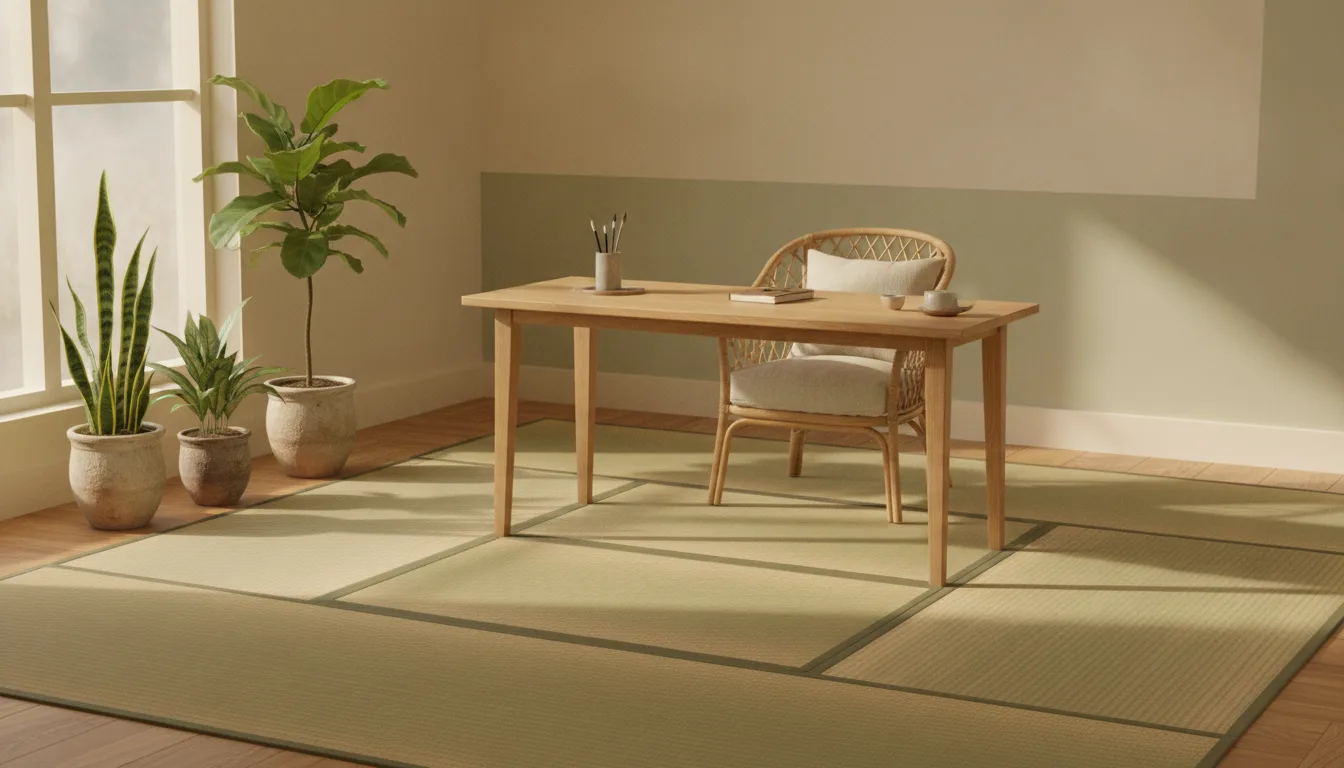
Tatami mats can harmoniously blend with various elements of Indian interior design. Their natural textures complement timber furniture, cotton textiles, and cane decor. Using tatami mats can bring a contemporary feel to spaces while maintaining traditional aesthetics. Select low furniture to preserve balance in the room's design. This integration creates a serene environment ideal for relaxation and mindfulness practices.
FAQs
1. Are tatami mats suitable for all climates?
Tatami mats, particularly those made from Igusa rush, are most suitable for humid environments due to their moisture resistance. However, with proper care and ventilation, they can perform well in various climates, including drier areas. It’s essential to avoid excessive moisture buildup that could lead to mold.
2. How do I clean my tatami mat?
Cleaning a tatami mat involves regular dusting with a soft broom or vacuum. For spills, gently dab with a damp cloth. Avoid soaking the mat to prevent damage. Periodically, it's advisable to inspect the mat for wear and tear.
3. How do I know if a tatami mat is authentic?
Authentic tatami mats are made from Igusa rush, known for their distinct fragrance and texture. When purchasing, ensure the seller provides information about the material and its origin. Trusted suppliers like Tatami Mat ensure authenticity.
4. Can tatami mats be used in apartments?
Yes, tatami mats can be used in apartments, provided the flooring structure can support their weight. Their natural aesthetic can enhance apartment interiors, creating a tranquil atmosphere suitable for yoga or meditation.
5. How long do tatami mats last?
With proper care, tatami mats can last for many years. It’s crucial to follow maintenance guidelines, especially concerning humidity and cleaning practices, to prolong their lifespan.