Culture
How Japanese Sleeping Mats Enhance Restful Slumber in Indian Homes
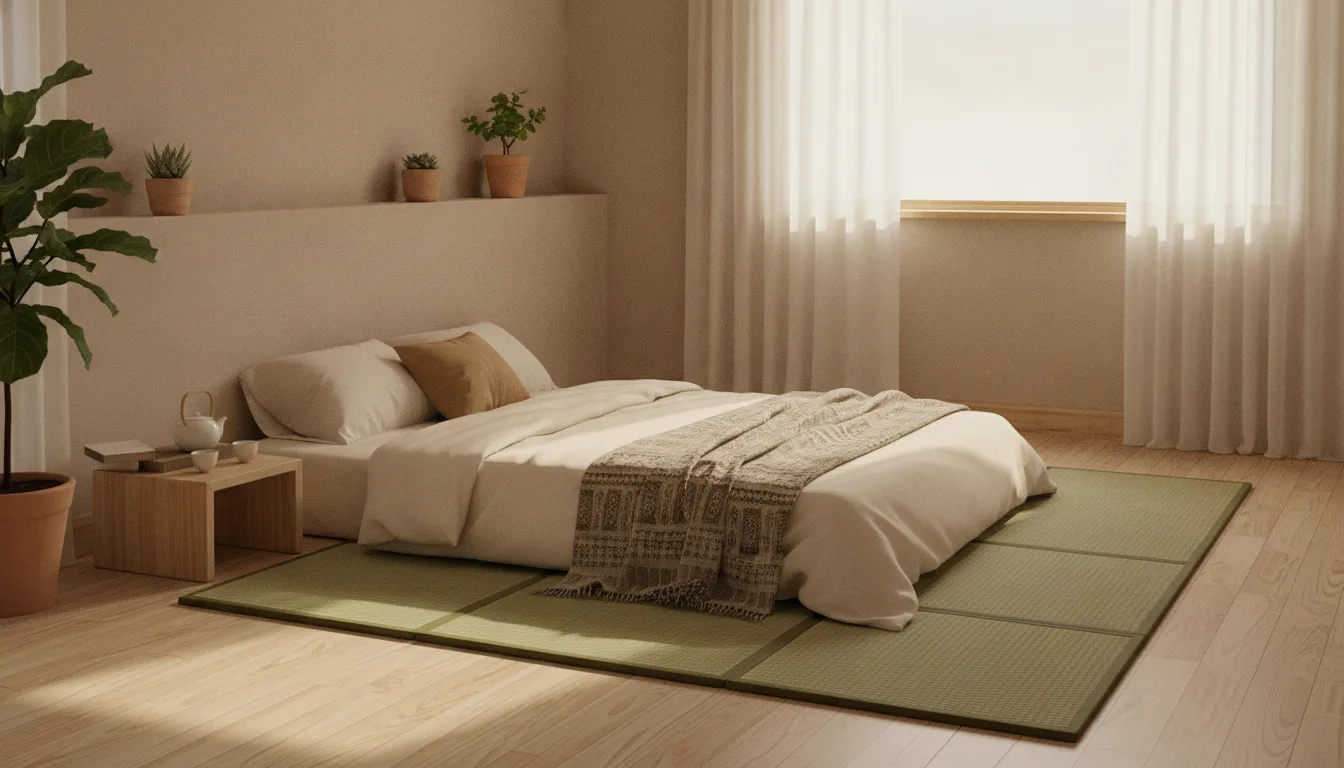
Japanese sleeping mats, known for their unique design and exceptional comfort, provide a restful environment for sleep, making them an ideal choice for Indian homes. These authentic mats, constructed from Igusa rush, offer not only a traditional aesthetic but also practical benefits suited for various climates in India. Understanding the nuances of these mats can significantly enhance your sleeping experience and room ambiance.
The Unique Characteristics of Japanese Sleeping Mats
Japanese sleeping mats are primarily made from Igusa rush grass, which has distinctive properties that contribute to a restful sleep. The soft, fibrous material is breathable, allowing air circulation, which helps regulate temperature and moisture, an essential feature given the varied climates across India. Unlike conventional mattresses, these mats sit low to the ground, promoting a more grounded sleeping experience.
The Cultural Significance of Tatami in Japanese Homes
Tatami mats are not just floor coverings, but integral elements of Japanese culture. Traditionally used in tea ceremonies and as sleeping surfaces, these mats symbolize simplicity and mindfulness. Their use in Indian homes not only adds aesthetic value but also can enhance meditation practices, making them ideal for yoga studios and serene bedrooms.
Benefits of Using Japanese Sleeping Mats in Indian Homes
- Comfort: The soft texture of tatami mats provides a comfortable sleeping surface, which is particularly beneficial for those accustomed to sleeping on the floor.
- Temperature Regulation: Their breathable nature helps maintain a comfortable sleeping temperature, crucial during the hot Indian summers or humid monsoon months.
- Allergen Resistance: Made from natural materials, tatami mats are less likely to harbor dust mites compared to conventional foam mattresses.
- Space Efficiency: The low profile of these mats allows for flexible furniture arrangements, making them suitable for both small apartments and spacious homes.
Understanding Igusa: The Soul of Authentic Tatami
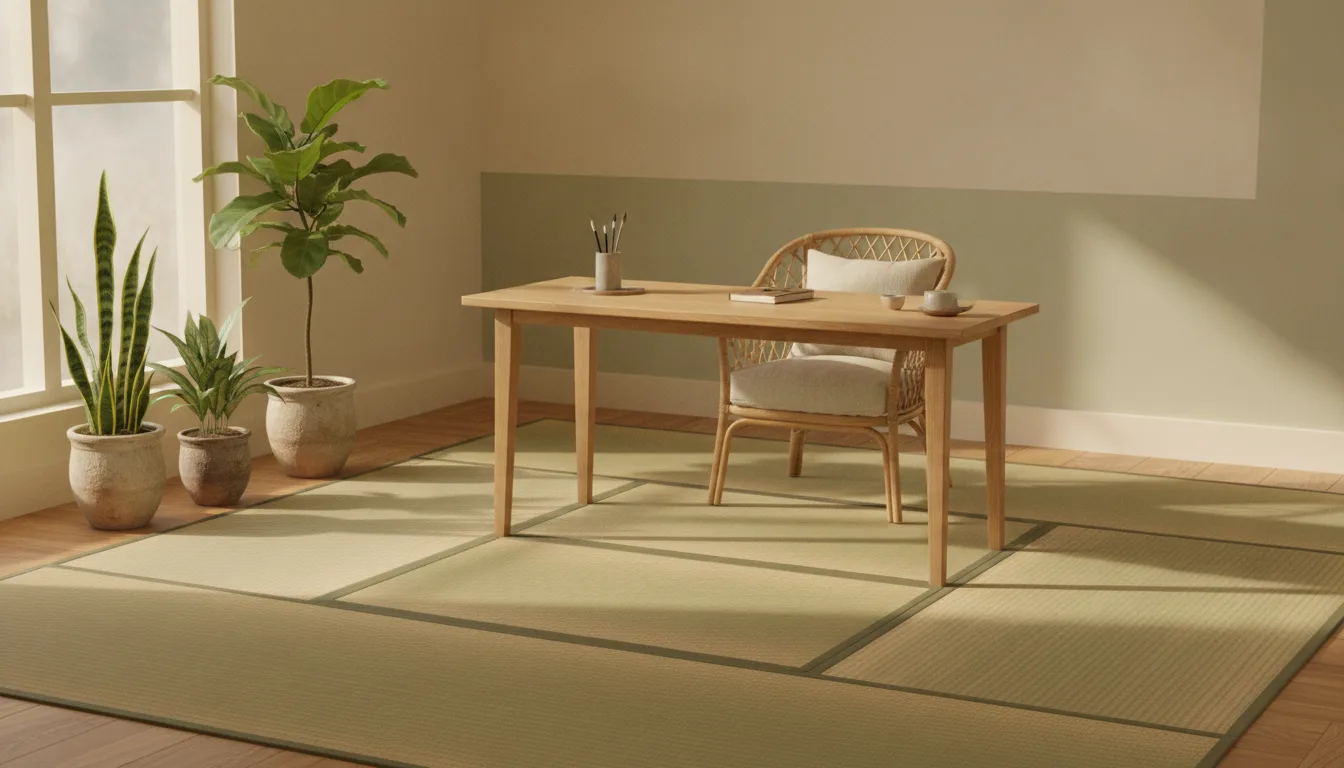
Authentic Japanese tatami mats are constructed with Igusa rush, a natural material known for its durability and therapeutic qualities. Igusa has a unique ability to absorb moisture and regulate humidity, making it ideal for the Indian climate. These mats are often woven in a traditional grid pattern, which not only enhances their aesthetic appeal but also contributes to their functionality.
The Japanese Tatami Construction Process
The craftsmanship involved in creating tatami mats is meticulous. Igusa rush is harvested, dried, and woven into a mat, often with a rice straw core for added firmness. This traditional method results in a mat that is both resilient and capable of providing comfort for years. Understanding this construction process can help Indian buyers appreciate the quality and authenticity of the product.
Comparison: Authentic Igusa Tatami vs Conventional Sleeping Solutions
| Feature | Authentic Igusa Tatami | Foam Flooring | Conventional Rugs |
|---|---|---|---|
| Material | Igusa rush grass | Synthetic foam | Wool or synthetic fibers |
| Construction | Woven with straw core | Molded foam | Tufted or woven |
| Firmness/Feel | Medium-firm | Soft | Varies widely |
| Visual Character | Natural, traditional | Modern | Classic or contemporary |
| Room Suitability | Ideal for bedrooms and meditation rooms | General use | Living areas |
| Moisture Considerations | Moisture-wicking | Can retain moisture | Varies |
| Cleaning | Easy, minimal | Easy with vacuum | Requires regular washing |
| Portability | Lightweight | Lightweight | Varies |
| Interior Style | Japanese, minimalist | Modern | Varied |
| Typical Use | Sleeping, meditation | General flooring | Decorative |
How to Plan a Tatami Room in an Indian Home
- Measure the Usable Floor Area: Accurately measure the dimensions of the room where you plan to lay the tatami mats. Ensure you consider any furniture that will remain in the area.
- Decide the Room's Purpose: Determine how you intend to use the space: as a bedroom, yoga studio, or meditation room, as this will influence your choice of dimensions and layout.
- Select Suitable Mat Dimensions: Based on your measurements and intended use, choose tatami mats that will fit comfortably within the space, keeping in mind the standard tatami sizes.
- Plan the Arrangement: Consider how the mats will be arranged. A traditional tatami room usually employs a specific layout, with the long side facing the entrance.
- Consider Furniture: Low furniture works best with tatami mats. Select pieces that complement the natural aesthetic and maintain the low-profile design.
- Check Ventilation and Humidity: Ensure the room has good ventilation to prevent moisture build-up, especially during the monsoon season.
- Plan Cleaning and Maintenance: Develop a regular cleaning routine, including dusting and maintaining the mats, to ensure longevity.
- Confirm the Final Quantity/Order: Once you’ve finalized the dimensions and layout, order the required quantity of tatami mats, bearing in mind delivery times.
Myth vs Fact about Japanese Sleeping Mats
- Myth: All tatami mats are the same.
Fact: Authentic tatami mats are made from Igusa rush grass and are distinctly different from synthetic or foam alternatives. - Myth: Tatami is simply a rug.
Fact: Tatami is a structured mat with a straw core, offering more support and comfort than a typical rug. - Myth: Japanese-style foam mats are authentic tatami.
Fact: Foam mats lack the unique properties of Igusa and do not provide the same sensory experience. - Myth: Natural Igusa requires no maintenance.
Fact: Regular dusting and moisture control are essential for maintaining tatami mats. - Myth: Tatami cannot work in Indian homes.
Fact: With proper ventilation and care, tatami mats can thrive in diverse Indian climates.
Real-Life Example: Tatami in a Bengaluru Yoga Studio
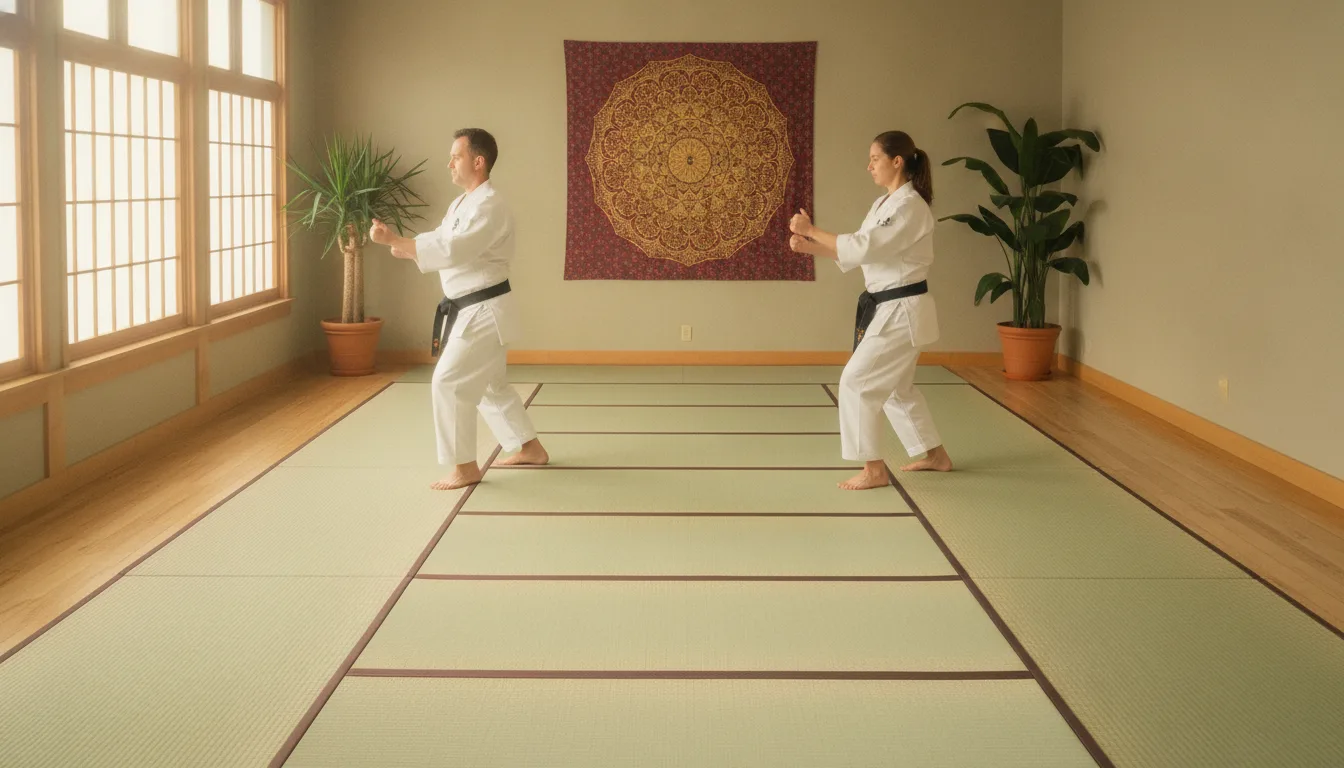
In a popular yoga studio in Bengaluru, the owner sought a natural flooring solution that would resonate with the calm and spiritual environment of the practice. The studio, measuring approximately 600 square feet, initially featured standard laminate flooring that felt cold and uninviting. After researching various options, the owner decided to use Japanese tatami mats to create a more authentic experience.
The tatami mats not only introduced a warm, earthy tone to the studio but also contributed to the overall comfort during yoga sessions. The breathable nature of the mats proved advantageous, as the studio is often filled with students practicing under warm temperatures. The low furniture, including yoga blocks and mats, complemented the tatami, creating an inviting atmosphere that encourages mindfulness. Moreover, the owner was pleased to find that the regular maintenance involved—mainly sweeping and occasional ventilation—was straightforward, even during the humid monsoon months.
Essential Buying Guide for Japanese Sleeping Mats
When considering the purchase of Japanese sleeping mats, Indian buyers should keep the following factors in mind:
- Authenticity: Ensure the mats are made from genuine Igusa rush grass to enjoy the full benefits.
- Material: Check for quality construction, including the weaving and core material.
- Dimensions: Select mats that fit your intended space and usage, keeping in mind standard tatami sizes.
- Thickness: Consider how thick you prefer your mats for comfort versus portability.
- Construction: Look for mats that are not only well-made but also aesthetically pleasing.
- Intended Room: Factor in humidity levels and ventilation when selecting mats for bedrooms or studios.
- Quantity: Calculate how many mats are needed to cover your desired area, plus any additional for future needs.
- Floor Compatibility: Ensure the mats will work well with your existing flooring.
- Seller Information: Purchase from reputable sellers who can provide detailed product information.
- Delivery Considerations: Plan ahead for delivery times, especially if you are ordering large quantities.
Caring for Your Japanese Sleeping Mats
To maintain the quality and longevity of your tatami mats, follow these care tips:
- Regular Dust Removal: Dust your tatami mats regularly using a soft broom or vacuum cleaner with a brush attachment.
- Gentle Cleaning: For deeper cleaning, use a damp cloth to wipe the surface without soaking the mat.
- Avoiding Excess Moisture: Keep tatami mats away from excessive moisture, as this can lead to mold and mildew.
- Prompt Spill Management: In case of spills, act quickly by blotting the area with a clean, dry cloth.
- Ventilation: Ensure your room is well-ventilated to help keep the mats dry and fresh.
- Storage Considerations: If you need to store your mats, keep them in a dry environment to avoid moisture damage.
- Furniture Movement: When moving furniture, lift rather than drag to avoid damaging the mats.
- Periodic Inspection: Regularly check for signs of wear and address them promptly to preserve the integrity of the mats.
Integrating Tatami into Indian Interiors
When incorporating tatami mats into Indian interiors, consider blending different cultural elements harmoniously. Tatami can beautifully complement traditional Indian materials like timber, cane, and handmade textiles. Opt for low-profile furniture to maintain the tatami's natural aesthetic, making sure to include ample greenery and soft lighting to create a serene atmosphere.
Using neutral palettes, such as whites and earth tones, along with natural fibers, helps enhance the cozy feel of the tatami. Consider how the mats can work with other elements to create a cohesive design that respects both Japanese and Indian influences while providing functional and stylish room layouts.
FAQ
Are Japanese sleeping mats suitable for Indian climates?
Yes, Japanese sleeping mats, particularly those made from Igusa rush, can adapt well to various Indian climates. Their breathable nature helps regulate temperature and moisture, making them suitable for both hot and humid conditions. Proper ventilation is essential, especially during monsoon season, to prevent moisture buildup.
How should I clean and maintain tatami mats?
Cleaning tatami mats involves regular dusting with a soft broom or vacuum. For deeper cleaning, a damp cloth can be used to wipe them down—avoiding excess moisture is crucial. Additionally, ensure the room has good ventilation to prevent mold and mildew.
Can I use tatami mats in yoga studios?
Absolutely! Tatami mats offer a firm but comfortable surface ideal for yoga practice. The natural material promotes a calming atmosphere, enhancing the overall experience. Moreover, their low-profile design fits well in yoga studios, allowing for easy movement.
What should I consider before purchasing tatami mats?
Consider factors such as authenticity, material quality, dimensions, and construction style. It's also essential to think about the intended use, room conditions, and maintenance requirements. Purchasing from reputable sellers ensures you receive high-quality products that meet your needs.
Do tatami mats require special care?
Tatami mats do require some special attention, mainly regarding moisture and dust. Regularly dusting them and ensuring good ventilation are key to their longevity. Promptly handling spills and avoiding excessive moisture will help preserve their quality over time.