Culture
Health Benefits of Choosing a Chemical Free Tatami Mat for Your Home
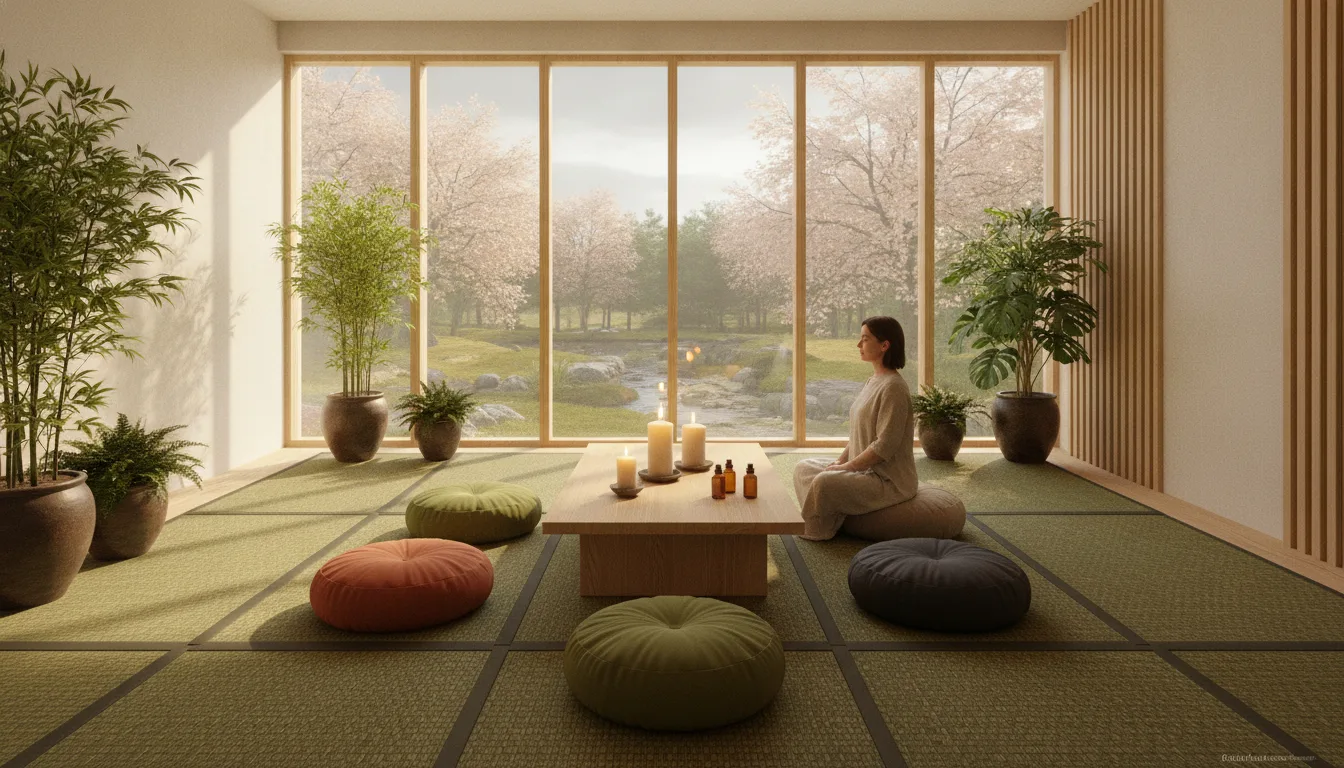
Choosing a chemical free tatami mat can significantly enhance your home environment, especially in India, where indoor air quality is often compromised. Authentic Japanese Igusa tatami mats not only provide a natural aesthetic but also contribute to a healthier living space. Understanding the benefits these mats offer can help you make an informed decision for your home, yoga studio, or hospitality setting.
What Makes a Tatami Mat Chemical Free?
A chemical free tatami mat is typically made from natural materials such as Japanese Igusa rush. Unlike synthetic alternatives, these mats are woven and crafted without harmful chemicals, making them a safe option for families, especially those with young children or allergies. The natural properties of Igusa help regulate humidity and improve indoor air quality, contributing to a healthier environment.
The Importance of Non-Toxic Flooring
Many conventional flooring options release volatile organic compounds (VOCs) that can harm health over time. Opting for a non-toxic floor mat like a chemical free tatami mat mitigates these risks. By incorporating natural flooring solutions into your home, you ensure a safer space that promotes well-being and reduces the likelihood of respiratory issues.
Eco-Friendly Tatami Mats: A Sustainable Choice
In today’s environmentally conscious world, choosing eco-friendly tatami mats makes a profound impact. Authentic tatami, made from renewable resources, aligns with sustainable living practices. They require less energy to produce, unlike synthetic mats, and have a lower carbon footprint, making them an ideal choice for environmentally aware consumers.
Understanding the Composition of Authentic Igusa Tatami
Igusa rush, the primary material in traditional tatami, is known for its durability and natural antibacterial properties. This grass, cultivated in Japan, is harvested and woven into mats, creating a unique texture that is both aesthetically pleasing and practical. The mat's core, often made of compressed straw or rice husk, provides excellent insulation, crucial for regions with varying climates.
Health Benefits of Using a Chemical Free Tatami Mat
1. Improved Indoor Air Quality
Chemical free tatami mats can help purify the air in your home. Their natural fibers absorb moisture and stabilize humidity levels, reducing the likelihood of mold growth, a common issue in humid Indian climates.
2. Natural Antibacterial Properties
The Igusa rush used in tatami mats contains natural oils that exhibit antibacterial properties. This characteristic helps in preventing the growth of bacteria and allergens, making your living environment healthier.
3. Enhanced Comfort and Thermal Regulation
Tatami mats provide a comfortable surface that adapts to body heat, making them ideal for both hot and cold weather conditions. This thermal regulation can contribute to a more comfortable living space, reducing the reliance on artificial heating and cooling.
4. Stress Reduction and Comfort
The soft, natural texture of tatami mats creates an inviting atmosphere that can help reduce stress, making them excellent for yoga and meditation practices. A chemical free tatami mat enhances the overall experience of relaxation.
5. Hypoallergenic Qualities
Unlike synthetic flooring options, which can harbor dust mites and allergens, a chemical free tatami mat minimizes these risks. The natural fibers repel dust and allergens, making them a suitable choice for allergy sufferers.
Practical Considerations for Indian Homes
When integrating tatami into Indian interiors, consider factors like humidity and temperature variations. During monsoon, for example, moisture management becomes essential. Regular maintenance can help prolong the mat's lifespan in these conditions.
How to Plan a Tatami Room in Your Indian Home
- Measure the Usable Floor Area: Accurately measure your room dimensions to decide how many mats you will need.
- Decide How the Room Will Be Used: Determine if the area will serve as a yoga studio, meditation room, or living space.
- Select Suitable Mat Dimensions: Tatami mats come in various sizes; choose dimensions that will fit harmoniously within your space.
- Plan the Arrangement: Consider how mats will be arranged to ensure maximum comfort and functionality.
- Consider Furniture: Choose low furniture that complements the height of tatami for a cohesive design.
- Check Ventilation and Humidity: Ensure the room has good airflow to prevent moisture buildup, especially in humid regions.
- Plan Cleaning and Maintenance: Develop a routine for upkeep, such as regular dusting and spot cleaning.
- Confirm the Final Quantity/Order: After finalizing dimensions and arrangements, place your order from a reputable supplier.
Myth vs Fact: Understanding Tatami Misconceptions
Myth: All tatami mats are the same.
Fact: Authentic Japanese tatami mats are distinct due to their material and craftsmanship, particularly the use of Igusa rush, unlike synthetic alternatives.
Myth: Tatami is simply a rug.
Fact: Tatami serves as traditional flooring, providing insulation and comfort, unlike typical rugs that merely cover surfaces.
Myth: Japanese-style foam mats are authentic tatami.
Fact: Foam mats do not offer the same benefits as authentic tatami; they lack the natural properties and craftsmanship of Igusa mats.
Myth: Natural Igusa requires no maintenance.
Fact: While they are durable, proper care is essential to maintain their appearance and functionality over time.
Myth: Tatami cannot work in Indian homes.
Fact: With proper maintenance and ventilation, tatami can thrive in various Indian climates, enhancing indoor environments.
Illustrative Example: A Bengaluru Yoga Studio
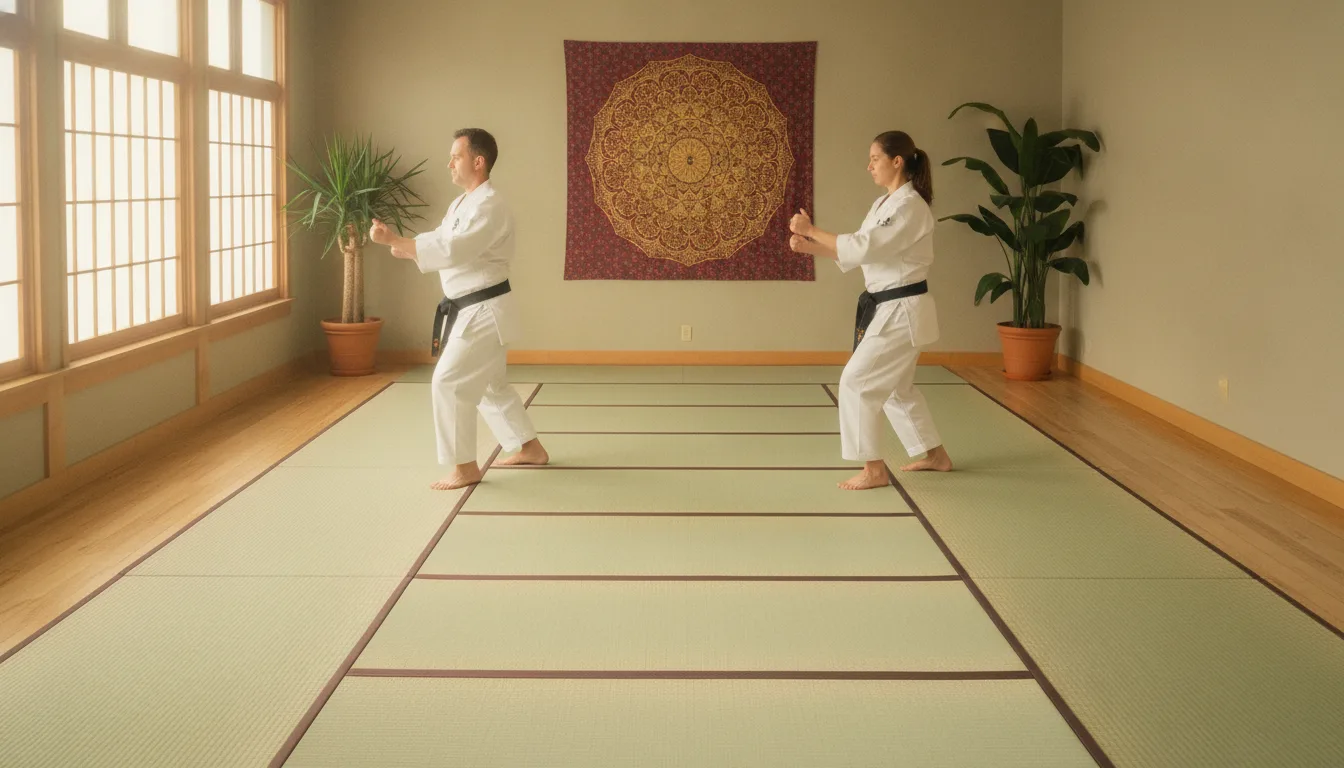
In a Bengaluru yoga studio, the owner sought to create a serene space conducive to relaxation. The studio measures 400 square feet and features large windows for natural ventilation. After assessing the humid climate, the owner chose a chemical free tatami mat to enhance the atmosphere. With low wooden furniture and ample space for yoga sessions, the tatami mats provided an inviting surface that ensured comfort during practice. By maintaining optimal humidity levels through ventilation, the studio became a popular destination for wellness enthusiasts. The final design exuded tranquility, attracting numerous clients seeking a holistic experience.
What to Consider When Buying a Tatami Mat
When purchasing a tatami mat in India, here are several factors to consider:
- Authenticity: Ensure that the mat is made from genuine Igusa rush to reap the health benefits.
- Material: Check for natural materials and avoid synthetics that can release harmful chemicals.
- Dimensions: Measure your space to select the right size for your needs.
- Thickness: Choose a thickness that suits your comfort preference and usage area.
- Construction: Look for quality craftsmanship, as this impacts durability and performance.
- Intended Room: Consider where the mat will be used, such as a living room or yoga studio.
- Quantity: Calculate how many mats are needed based on your area measurements.
- Floor Compatibility: Ensure the surface beneath your tatami mat is suitable for its placement.
- Seller/Product Information: Research reliable sellers to ensure you receive a quality product.
- Delivery Considerations: Check delivery options, especially for larger orders.
Care and Maintenance of Tatami Mats
Keeping your chemical free tatami mat in good condition involves several steps:
- Regular Dust Removal: Use a soft broom or vacuum cleaner to remove dust particles without damaging the surface.
- Gentle Cleaning: Clean with a damp cloth or sponge for spot cleaning, avoiding excessive moisture.
- Avoid Unnecessary Moisture: Keep mats dry, especially in humid conditions, to prevent mold growth.
- Prompt Spill Management: Clean spills immediately with a soft cloth to avoid staining.
- Ventilation: Maintain good airflow in the room to regulate humidity levels.
- Monsoon Conditions: During the monsoon, increase ventilation and consider using dehumidifiers if necessary.
- Storage When Relevant: If storing mats, ensure they are kept in a dry place away from direct sunlight.
- Periodic Inspection: Frequently check the mats for any signs of wear and address issues promptly.
Incorporating Tatami into Indian Interiors
The versatility of tatami mats allows for seamless integration into various Indian interior styles. Pair them with timber, cotton, and stone to achieve a balanced look. Low furniture works harmoniously with tatami’s height, creating an inviting atmosphere. Opt for neutral color palettes to complement the natural fibers of the mat, while handmade Indian textiles can add character without feeling thematically forced. By focusing on proportion and texture, you can achieve a contemporary interior that respects the cultural significance of tatami.
FAQs About Chemical Free Tatami Mats
1. Can I use a chemical free tatami mat in a humid climate?
Yes, chemical free tatami mats are suitable for humid climates, provided they are well-maintained. Regular ventilation helps manage moisture, reducing the risk of mold and mildew.
2. How do I clean a tatami mat?
Cleaning a tatami mat involves regular dusting and gentle spot cleaning with a damp cloth. Avoid soaking the mat, as excess moisture can damage the fibers.
3. Are tatami mats suitable for yoga studios?
Absolutely! Tatami mats provide a comfortable and natural surface ideal for yoga practice, enhancing the experience and atmosphere within the studio.
4. How long do tatami mats last?
With proper care, chemical free tatami mats can last several years. Regular maintenance, including dusting and avoiding excessive moisture, will help prolong their lifespan.
5. Where can I purchase authentic tatami mats in India?
You can find authentic chemical free tatami mats through reputable suppliers, such as Tatami Mat, offering a variety of sizes and styles.