Culture
Enhance Your Yoga Practice Indoors with a Natural Grass Mat
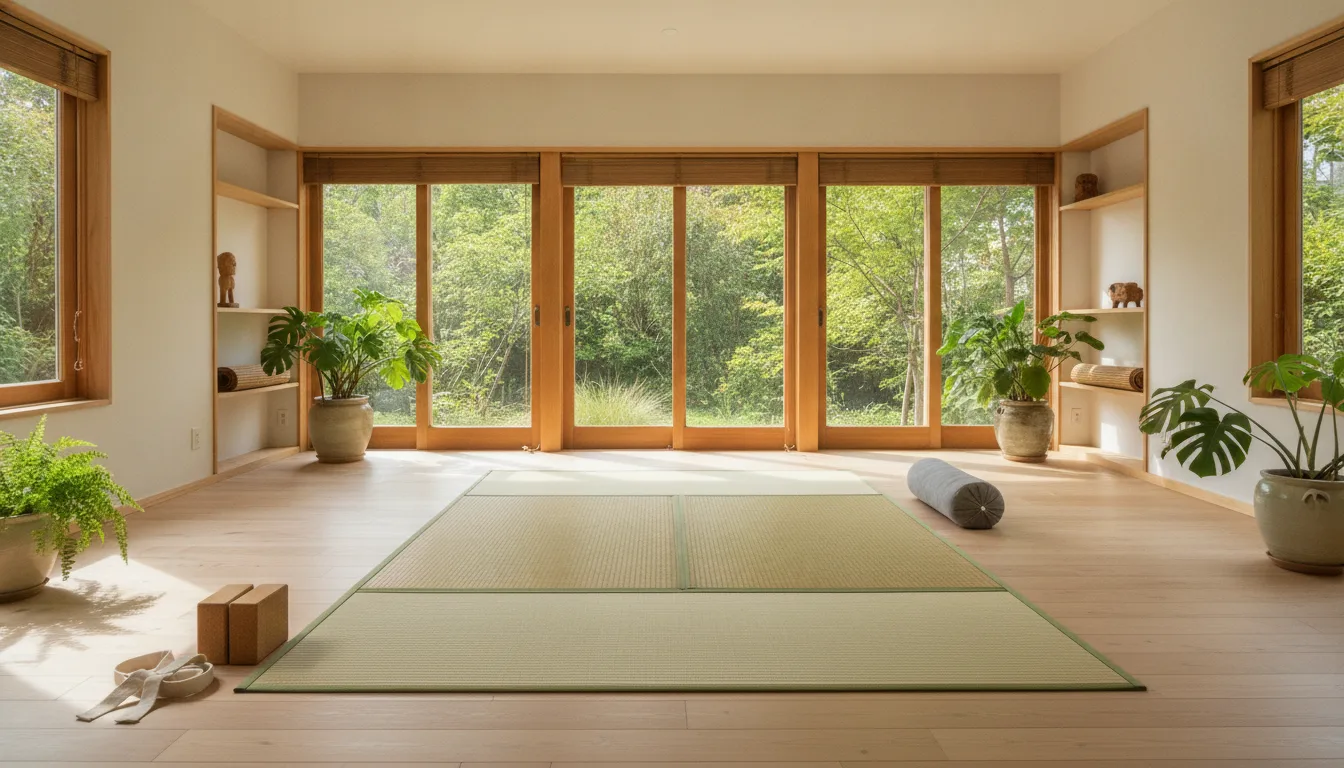
A natural grass mat can transform your indoor yoga experience, offering a unique blend of comfort and connection to nature. With the rising popularity of yoga in India, many practitioners seek the best materials to enhance their practice. Natural grass mats, particularly authentic Japanese tatami mats made from Igusa rush, provide both aesthetic appeal and functional benefits.
Understanding the Natural Grass Mat
The primary feature of a natural grass mat is its material composition. Natural grass mats are typically made from fibers like jute, coir, or rush (such as Igusa). Igusa mats, specifically, have been used for centuries in Japan for various purposes, including yoga and meditation. Their unique texture and softness provide a comforting surface that can enhance your practice.
Why Choose a Natural Grass Mat for Yoga?
Choosing a natural grass mat for yoga is beneficial for several reasons:
- Comfort: Natural grass mats offer a soft yet firm surface, preventing discomfort during poses.
- Durability: Mats made from Igusa are known for their longevity, making them a worthwhile investment.
- Aesthetic Appeal: The natural look of grass mats can enhance the ambiance of your yoga space.
- Moisture Management: Natural fibers absorb humidity, making them suitable for India's varied climates.
Practical Benefits of Using a Yoga Tatami Mat
For those practicing yoga, a yoga tatami mat made from Igusa offers specific advantages:
- Better Grip: The textured surface provides excellent traction, essential for maintaining balance in various poses.
- Cushioning: Tatami mats offer a natural cushioning effect that can help prevent joint strain.
- Environmental Harmony: Made from sustainable materials, tatami mats are eco-friendly choices that align with a holistic lifestyle.
Exploring Yoga Flooring Options
When considering yoga flooring, the choice often comes down to personal preference and the intended use of the space. Here’s a comparison between popular options:
Natural Grass Mat vs. Foam Flooring vs. Conventional Rugs
| Feature | Natural Grass Mat | Foam Flooring | Conventional Rugs |
|---|---|---|---|
| Material | Natural fibers (Igusa) | Polyurethane | Wool, synthetic fibers |
| Construction | Woven | Layered | Varied |
| Surface | Textured | Smooth | Varies |
| Firmness/Feel | Soft yet firm | Soft | Soft |
| Visual Character | Natural, traditional | Modern | Varied |
| Room Suitability | Yoga, meditation | General use | General use |
| Moisture Considerations | Absorbing | Poor | Varies |
| Cleaning | Easy | Wipe clean | Vacuum/clean |
| Portability | Medium | High | Low |
| Interior Style | Traditional | Modern | Varied |
| Typical Use | Yoga, meditation | General flooring | General flooring |
How to Choose the Right Natural Yoga Mat
Selecting the right mat involves several considerations. Here’s a guide:
- Material: Look for authentic Igusa mats for the highest quality.
- Size: Ensure the dimensions suit your space and yoga style.
- Thickness: Consider thickness based on your comfort level and joint safety.
- Texture: Opt for a textured surface for better grip.
- Durability: Check the material's longevity against wear and tear.
Myth vs. Fact About Tatami Mats
Myth 1: All tatami mats are the same
This is inaccurate; authentic Japanese tatami made from Igusa is distinct in quality and use compared to synthetic alternatives.
Myth 2: Tatami is simply a rug
Tatami represents a traditional flooring style, providing specific benefits that simple rugs do not, such as support and moisture absorption.
Myth 3: Japanese-style foam mats are authentic tatami
Foam mats lack the unique characteristics of Igusa tatami, including breathability and natural aesthetics.
Myth 4: Natural Igusa requires no maintenance
While durable, natural mats require proper care to maintain their condition, especially regarding moisture.
Myth 5: Tatami cannot work in Indian homes
On the contrary, tatami can adapt well to various Indian climates with thoughtful care, providing an inviting yoga space.
A Practical Example from an Indian Yoga Studio
Consider a yoga studio in Bengaluru, designed to create a serene environment for practitioners. The studio measures 1000 square feet, with ample natural light and ventilation. The original design aimed for a calming atmosphere with natural materials. Tatami mats made from Igusa were chosen for flooring due to their traditional appeal and moisture-absorbing properties, ideal for the humid climate of Bengaluru.
In the layout, low furniture was incorporated to facilitate movement during classes. The design included ample wall mirrors to enhance spatial perception. During monsoon months, ventilation considerations were essential, so flexible flooring options were utilized to manage moisture effectively. The use of tatami created a harmonious balance between aesthetics and functionality, resulting in a space that inspires both beginners and advanced yoga practitioners.
Essential Considerations for Buying a Natural Grass Mat
When purchasing a natural grass mat, especially for yoga, specific factors should be taken into account:
- Authenticity: Ensure the mat is made from genuine Igusa rush.
- Material Quality: Assess the quality for durability and softness.
- Dimensions: Choose a size that fits your practice area comfortably.
- Thickness: Consider thickness for comfort during practice.
- Intended Use: Ensure that the mat suits the specific activities planned for the space.
- Maintenance: Understand the care required to keep the mat in optimal condition.
- Seller Information: Purchase from reputable sources to ensure quality.
Care and Maintenance of Natural Grass Mats
Proper care extends the lifespan of your tatami mat and keeps it hygienic. Here are essential tips:
- Regular Dust Removal: Use a soft broom or vacuum to keep dust at bay.
- Gentle Cleaning: Occasionally wipe with a damp cloth, avoiding excessive moisture.
- Prompt Spill Management: Quickly address any spills to prevent staining.
- Ventilation: Ensure good airflow in the room to prevent mold growth.
- Inspection: Regularly check for any wear or damage and address issues promptly.
Integrating Tatami into Indian Interior Design
Using tatami mats in Indian interiors can create a unique fusion of aesthetics. The natural tones and textures of tatami complement various materials like timber, cane, and textile. Here’s how tatami can harmonize with Indian design:
- Low Furniture: Pair tatami with low seating options typical in Indian homes, creating a relaxed atmosphere.
- Neutral Palettes: Utilize tatami’s natural colors to enhance the room’s visual harmony.
- Natural Materials: Combine tatami with materials such as cotton and linen for cohesive design.
- Stone Elements: Incorporate stone features for a rustic, earthy vibe.
This balance allows homeowners to appreciate both Japanese and Indian design elements without appearing forced or disjointed.
Frequently Asked Questions
What is a natural grass mat, and what are its benefits?
A natural grass mat is made from organic fibers, such as jute or Igusa rush. Its benefits include comfort, durability, and aesthetic appeal, making it suitable for areas like yoga or meditation.
How can I maintain my natural grass mat?
Regular dust removal, gentle cleaning with damp cloths, and prompt spill management are essential for maintaining your mat. Ensure proper ventilation to prevent mold growth.
Are tatami mats suitable for humid climates?
Yes, tatami mats made from natural materials like Igusa are designed to absorb humidity and can adapt well to various climates, including humid regions in India.
Can I use a grass mat for yoga in my apartment?
Absolutely! A grass mat provides a suitable surface for yoga, enhancing comfort and stability during practice in any room, including apartments.
What should I look for when buying a natural yoga mat?
Consider factors such as material authenticity, size, thickness, and intended use. Ensure it's made from quality materials for durability and comfort.