Culture
Creating a Zen Space with Traditional Floor Mats for Indian Homes
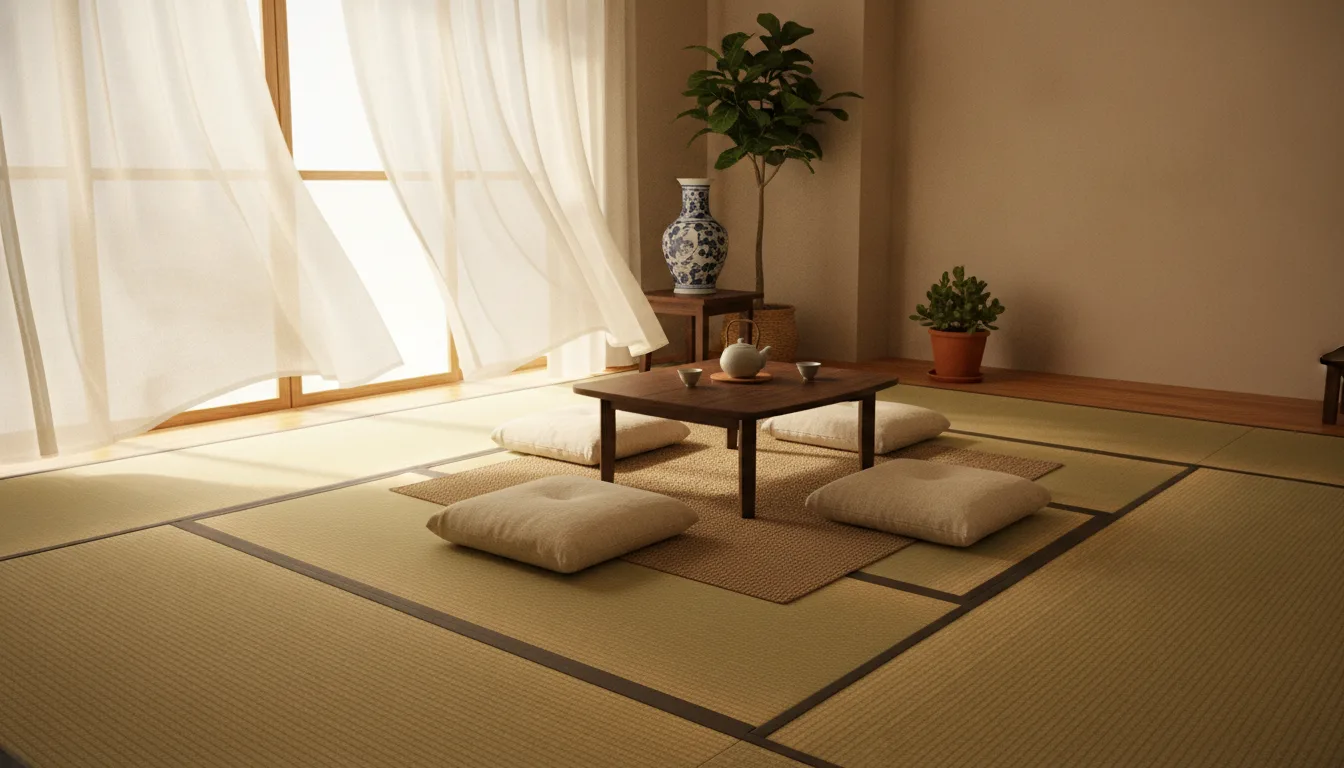
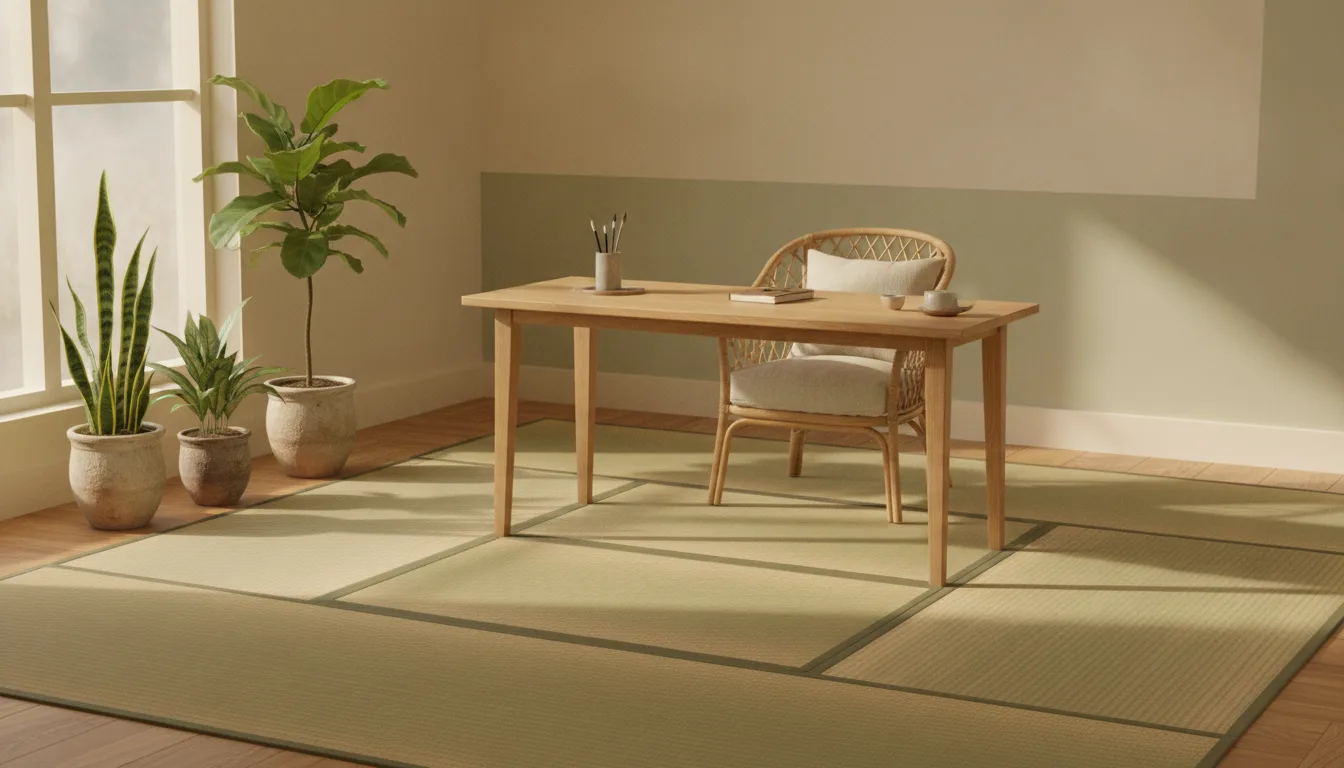
Creating a Zen space in your home can significantly enhance your well-being, and a traditional floor mat plays a pivotal role in achieving this harmonious balance. Incorporating authentic Japanese Igusa tatami mats provides not only aesthetic value but also practical benefits tailored for Indian homes. This article delves into how you can cultivate a peaceful atmosphere using tatami mats, offering expert tips and insights.
Understanding Traditional Floor Mats and Their Place in Indian Homes
Traditional floor mats are more than mere coverings; they are integral to the cultural fabric of many societies, including Japan and India. In Japanese culture, tatami mats are made from Igusa rush and have been used for centuries as flooring in homes and tea rooms. These mats are not only functional—providing comfort and insulation—but also imbue spaces with a calm, organic feel. In Indian homes, where diverse cultures meet, integrating tatami mats can harmonize the aesthetic beauty of Indian design with Japanese simplicity.
Why Choose Tatami Mats for Your Home?
- Aesthetic Appeal: The natural color and texture of tatami mats enhance the beauty of interiors, providing a serene backdrop for furnishings.
- Comfort: The firmness of tatami provides a supportive surface ideal for activities like yoga and meditation.
- Breathability: Igusa mats allow airflow, making them suitable for the humid conditions found in many parts of India, especially during the monsoon.
Creating a Zen Space: Key Considerations
Creating a Zen space requires careful planning. Here are several aspects to keep in mind:
- Room Purpose: Define how you wish to use the space—whether for meditation, yoga, or relaxation. This will guide your choices in decor and layout.
- Flooring Compatibility: Ensure that your floor can support the weight of tatami mats without excessive moisture, especially in areas prone to humidity.
- Ventilation: Good airflow is crucial to prevent mold growth, especially in humid Indian climates.
Step-by-Step Guide: Planning a Tatami Room in an Indian Home
Follow this detailed guide to create a tatami room that meets your needs:
- Measure the Usable Floor Area: Start by measuring the dimensions of the room where you plan to place the tatami mats. This ensures a proper fit.
- Decide How the Room Will Be Used: Will it be a meditation room, a space for yoga, or a multifunctional area? This impacts your furniture choice.
- Select Suitable Mat Dimensions: Tatami mats come in various sizes; choose ones that align with your room measurements for a cohesive look.
- Plan the Arrangement: Layout is critical. Consider a minimalist design to enhance the Zen feel. Low furniture works well with tatami.
- Consider Furniture: Opt for low, wooden furniture that complements the tatami's natural aesthetic.
- Check Ventilation and Humidity: Ensure that the room has adequate ventilation, especially during the monsoon season, to maintain the integrity of the mats.
- Plan Cleaning and Maintenance: Regularly dust and clean the mats to preserve their beauty and longevity. Plan for routine checks.
- Confirm the Final Quantity/Order: After confirming dimensions and arrangements, place your order through a reliable source like Tatami Mat.
Myth vs Fact: Common Misconceptions about Tatami Mats
Myth: All tatami mats are the same.
Fact: Authentic Igusa tatami mats are crafted from specific materials and techniques, distinguishing them from lower-quality imitations.
Myth: Tatami is simply a rug.
Fact: Tatami mats serve as structural flooring, providing insulation, sound absorption, and support that rugs cannot.
Myth: Japanese-style foam mats are authentic tatami.
Fact: Genuine tatami is made of Igusa rush, whereas foam mats lack the same cultural significance and material benefits.
Myth: Natural Igusa requires no maintenance.
Fact: While durable, tatami mats do require regular care to prevent damage from moisture and dirt.
Myth: Tatami cannot work in Indian homes.
Fact: With proper care and consideration of local climate, tatami can beautifully fit into Indian interiors, creating serene spaces.
Practical Example: A Bengaluru Yoga Studio
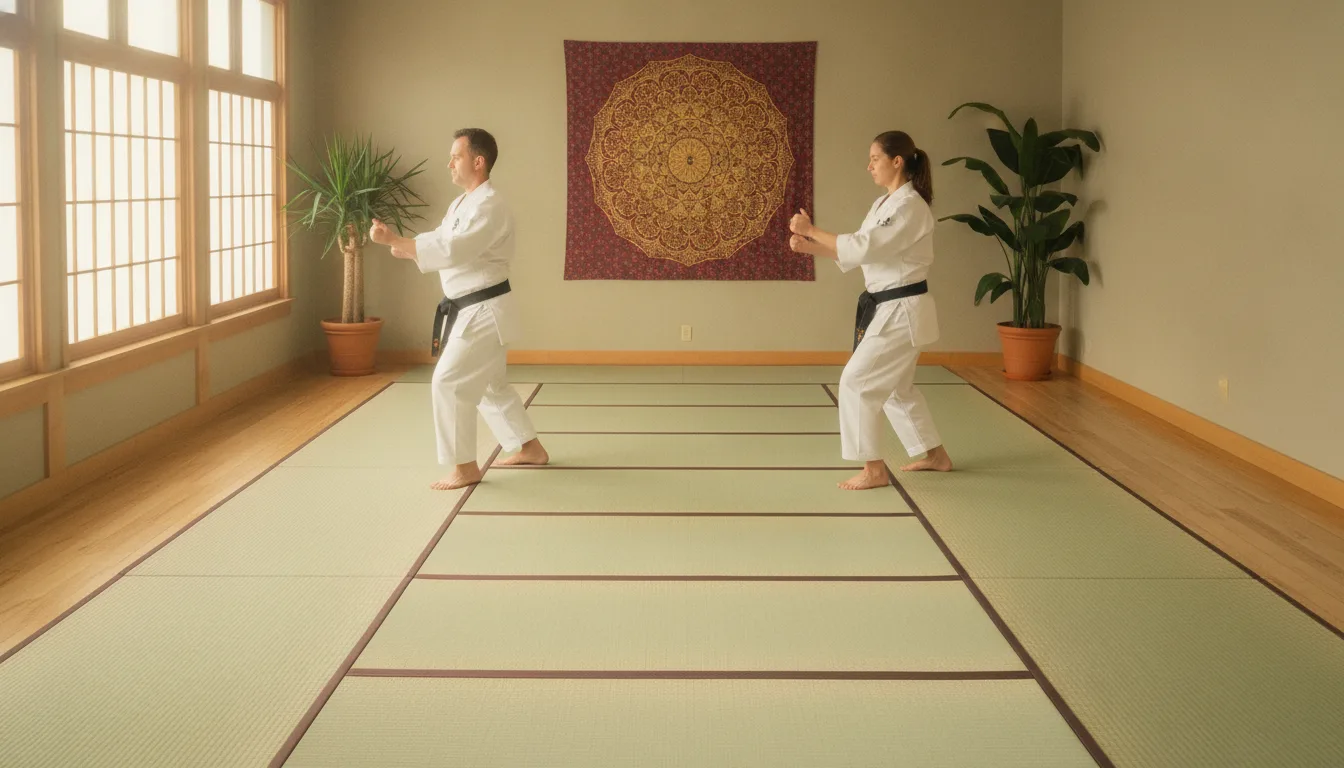
Imagine a cozy yoga studio in a bustling Bengaluru neighborhood, designed to provide a peaceful retreat for practitioners. The studio measures around 600 square feet and features large windows that allow ample natural light, enhancing the spiritual ambiance. Originally, the owner sought a flooring solution that would accommodate various yoga styles while remaining easy to maintain. After evaluating multiple options, they chose authentic tatami mats due to their durability and eco-friendly nature.
The tatami mats were carefully arranged in a rectangular layout, providing enough space for group classes. The owner opted for low, minimalist furniture made of bamboo to keep the room airy and spacious, allowing students to focus on their practice. The studio was treated for humidity to prevent mold growth, particularly during the monsoon season. The result? A serene haven that resonates with calmness and promotes mindfulness.
Buying Guide: What to Consider When Purchasing Tatami Mats
When looking to purchase tatami mats in India, here are key factors to consider:
- Authenticity: Look for genuine Igusa mats, as they offer unique textures and fragrances.
- Material: Ensure the mats are constructed from high-quality Igusa rush for lasting durability.
- Dimensions: Measure your space accurately to select mats that fit seamlessly.
- Thickness: Thicker mats may provide more comfort, especially for yoga and meditation practices.
- Construction: Check for quality craftsmanship, including secure stitching and even surfaces.
- Intended Room: Consider the room's function—meditation space, bedroom, or studio—and choose mats accordingly.
- Seller Information: Purchase from reputable sources like Tatami Mat to ensure quality.
Care and Maintenance of Tatami Mats
Proper care is essential for maintaining the beauty and longevity of your tatami mats. Here are some practical tips:
- Regular Dust Removal: Use a soft broom or a vacuum cleaner with a soft brush attachment to remove dust and debris.
- Gentle Cleaning: For spills, use a damp cloth without soaking the mat. Avoid harsh chemicals that can damage the natural fibers.
- Avoid Excess Moisture: Excessive moisture can lead to mold growth; ensure your space is well-ventilated.
- Prompt Spill Management: Address spills quickly to prevent staining or damaging the fibers.
- Periodic Inspection: Regularly check for wear and tear, especially in high-traffic areas, and address any issues promptly.
Interior Design: Harmonizing Japanese and Indian Elements
Incorporating tatami mats into Indian interiors requires a nuanced approach to design. Natural materials like wood, cotton, and cane can work beautifully in tandem with tatami. For instance, pairing tatami with timber furniture can create an earthy atmosphere that resonates with both Japanese and Indian aesthetics.
Consider a neutral color palette to maintain tranquility in your space. Textiles can also play a significant role; use handmade Indian fabrics to enhance the design without overwhelming the simplicity that tatami embodies. By thoughtfully balancing proportions and textures, your tatami space can become a fusion of two rich cultures, creating an inviting and Zen-like atmosphere.
Frequently Asked Questions
Can tatami mats be used in humid Indian climates?
Yes, authentic Igusa tatami mats are designed to handle humidity due to their breathable nature. However, it's essential to maintain proper ventilation and avoid excessive moisture exposure to ensure their longevity.
How often should I clean my tatami mats?
Regular cleaning, ideally once a week, is recommended. Use a soft broom or a vacuum set to a low power setting to avoid damaging the surface of the mats.
Are tatami mats suitable for meditation?
Absolutely! Tatami mats provide a firm yet comfortable surface, making them ideal for meditation practice. Their natural material contributes to a calming atmosphere, enhancing your meditation experience.
What is the lifespan of tatami mats?
With proper care, authentic tatami mats can last for many years—typically between 15 to 20 years. Regular maintenance and proper cleaning can significantly extend their usability.
Where can I purchase authentic tatami mats in India?
You can find high-quality tatami mats at Tatami Mat, which offers a range of traditional tatami options tailored for Indian homes.