Culture
Creating a Harmonious Tatami Room for Meditation and Yoga
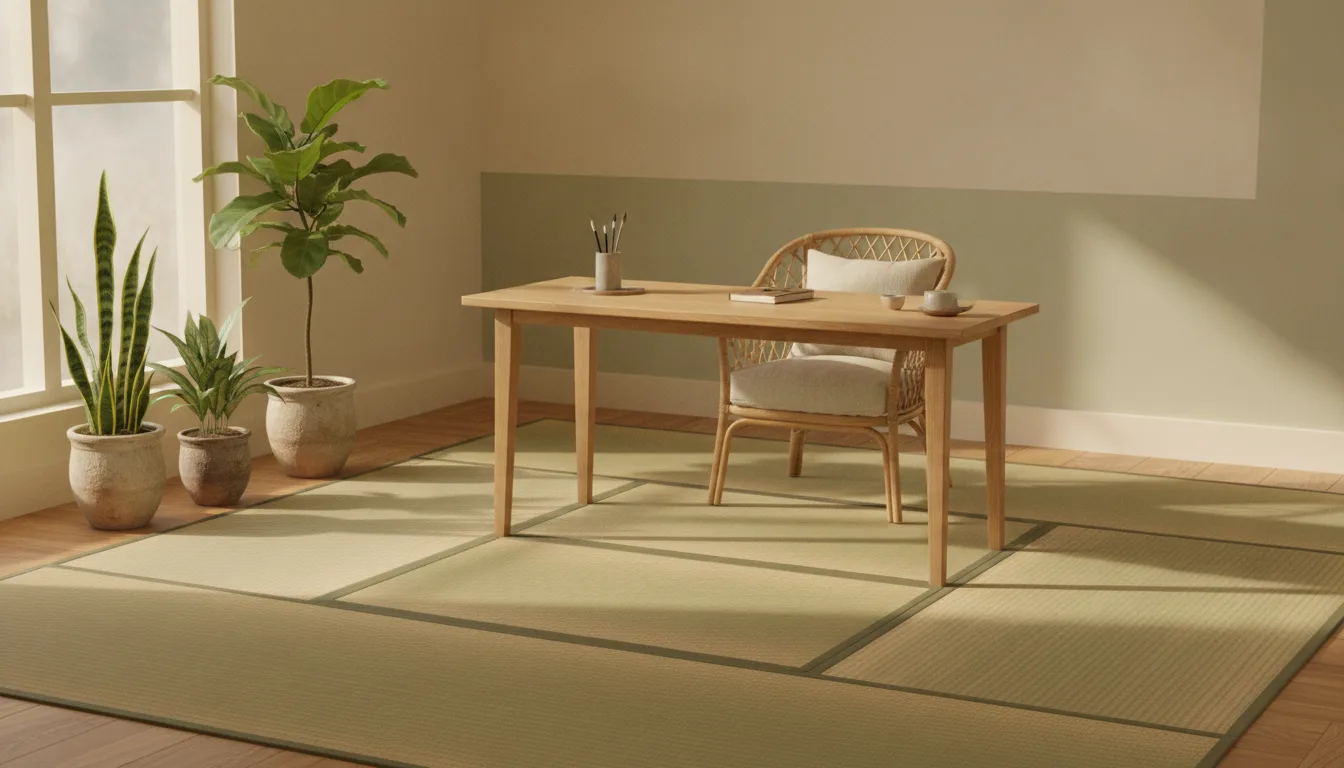
Creating a harmonious tatami room for meditation and yoga is an excellent way to enhance your living space, especially in Indian homes that often experience varied climatic conditions. With authentic Japanese Igusa tatami mats, you can establish a serene environment conducive to mindfulness and physical well-being. This article explores the essential elements in designing such a room, focusing on materials, practical considerations, and interior design approaches.
Why a Tatami Room?
A tatami room is not merely a physical space; it is an atmosphere that promotes tranquility and focus. Japanese culture emphasizes the importance of natural materials and simple aesthetics, which resonate well with practices like meditation and yoga. In Indian homes, where the climatic conditions may vary from humid coastal areas to dry interiors, tatami provides unique benefits such as moisture absorption and breathability.
Essential Elements of a Tatami Room
1. Authentic Tatami Mats
Choosing authentic tatami mats made of Igusa rush is crucial. Unlike synthetic materials, Igusa mats offer natural elegance and durability while aiding in maintaining a balanced indoor climate. Their woven surface is not only aesthetically pleasing but also functional, providing comfort for those long hours of meditation or yoga practice.
2. Natural Lighting
Utilizing natural light is key in a tatami room. Large windows or strategically placed mirrors can help reflect light, creating a vibrant atmosphere. Soft, diffused light enhances the room’s calming effect and makes the space inviting for meditation.
3. Low Furniture
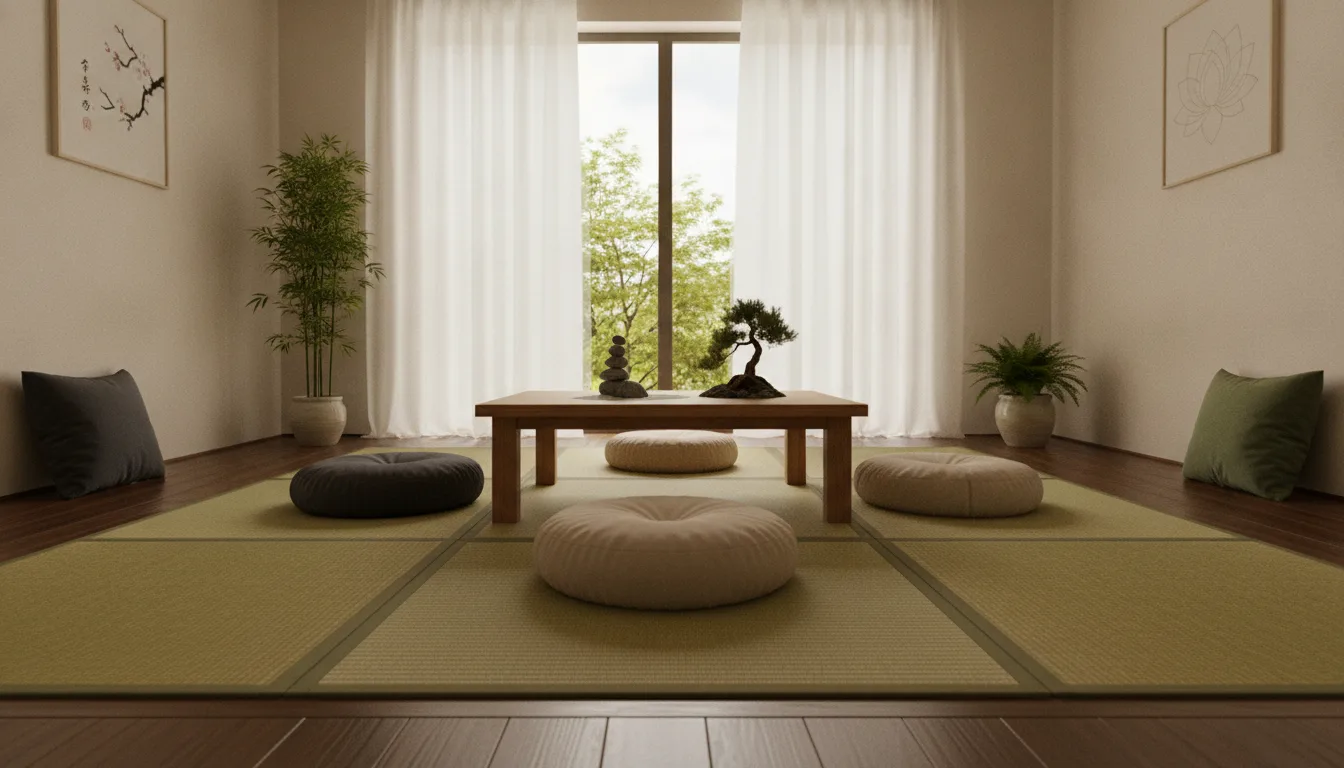
To align with the ethos of Japanese design, consider low furniture options. A simple, low table paired with floor cushions maintains an open feel, encouraging relaxation. Remember, the furniture should complement the tatami mats rather than overshadow them.
Types of Tatami Mats
When selecting tatami mats for your room, consider the following types:
- Reed Tatami: Made from natural reed, these mats provide excellent insulation and support.
- Traditional Igusa Tatami: Made from woven Igusa rush, these are the quintessential tatami mats.
- Custom Mats: Tailored to your specifications, ideal for unique room dimensions.
Practical Considerations for Indian Homes
Humidity Management
In regions with high humidity, especially during the monsoon, proper ventilation is crucial. Choose a space that allows air circulation to prevent moisture buildup on tatami mats. This will help maintain their integrity and longevity. A detailed understanding of Igusa rush can also provide insights into care and maintenance.
Temperature Control
In some parts of India, extreme temperatures can affect indoor air quality. Tatami mats help in temperature regulation, making them suitable for both warm and cooler climates. They maintain a comfortable environment, allowing for uninterrupted sessions of yoga or meditation.
Step-by-Step Guide: Planning Your Tatami Room
- Measure the Usable Floor Area: Start by assessing the space available for your tatami room.
- Choose the Room's Purpose: Decide how the room will be used—yoga studio, meditation space, or both.
- Select Suitable Tatami Mat Dimensions: Based on the room size, select the appropriate mat sizes.
- Plan the Arrangement: Consider the placement of mats and furniture for optimal flow.
- Furniture Selection: Choose low furniture that complements the tatami aesthetic.
- Check Ventilation: Ensure the room has adequate ventilation to combat humidity.
- Maintenance Plans: Outline a strategy for regular cleaning and upkeep.
- Confirm Final Quantity: Double-check your mat orders so you have enough for your planned layout.
Myth vs Fact
- Myth: All tatami mats are the same.
- Fact: Authentic tatami mats, especially those made from Igusa rush, offer unique characteristics that differ from synthetic options.
- Myth: Tatami is simply a rug.
- Fact: Tatami mats are a vital part of Japanese culture, designed for use directly on the floor with specific dimensions and care.
- Myth: Japanese-style foam mats are considered authentic tatami.
- Fact: Only mats made from traditional materials like Igusa rush are recognized as authentic tatami.
- Myth: Natural Igusa requires no maintenance.
- Fact: While Igusa mats are durable, they do require regular cleaning and care to maintain their quality.
- Myth: Tatami cannot work in Indian homes.
- Fact: With proper care and consideration for local conditions, tatami can thrive in many Indian environments.
An Illustrative Example: A Yoga Studio in Bengaluru
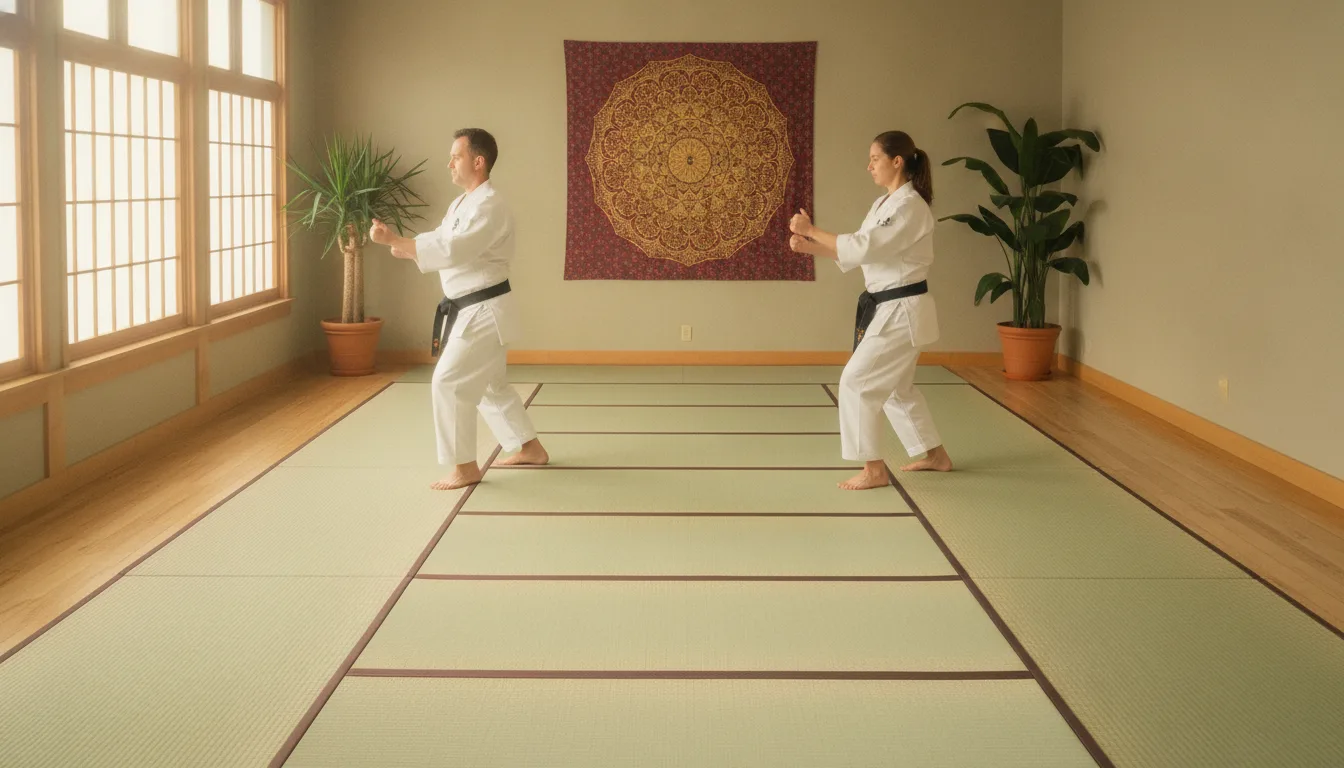
Consider a yoga studio in Bengaluru that wanted to create a calming environment for its participants. The studio, measuring 600 square feet, utilized large windows for natural lighting and cross-ventilation. To enhance the overall feel, they incorporated authentic tatami mats across the floor. The low wooden furniture allowed for space optimization without overcrowding. This choice was deliberate, considering the humidity levels during monsoon months. The studio opted for easy maintenance routines and ensured that the mats were laid down properly to avoid moisture retention. This setting exemplifies how tatami can transform a functional space into an oasis of calm and focus.
Buying Guide for Tatami Mats
When purchasing tatami mats in India, consider these key factors:
- Authenticity: Ensure the mats are made from genuine Igusa rush.
- Material Quality: Evaluate the construction and durability of the mats.
- Dimensions: Check the dimensions to fit your room layout.
- Thickness: Thicker mats provide better cushioning.
- Intended Room: Customize your selection based on the primary use of the room.
- Floor Compatibility: Make sure the mats are suitable for your type of flooring.
- Seller Information: Choose reputable sellers to ensure quality.
- Delivery Considerations: Factor in how delivery will be handled for your mats.
Care and Maintenance of Tatami Mats
To keep your tatami mats in top condition, follow these care guidelines:
- Regular Dust Removal: Use a soft brush or vacuum with a low setting to avoid damaging the surface.
- Gentle Cleaning: Use a damp cloth for spot cleaning; avoid soaking the mats.
- Avoiding Moisture: Keep mats dry and well-ventilated, particularly during rainy seasons.
- Prompt Spill Management: Clean spills immediately to prevent staining.
- Ventilation: Ensure rooms are well-ventilated to discourage moisture accumulation.
- Furniture Movement: When moving furniture, lift rather than drag to prevent damage.
- Periodic Inspection: Regularly check for wear and tear and address issues promptly.
Integrating Tatami in Indian Interiors
In Indian homes, tatami can harmoniously blend with various materials like timber, cotton, and handmade Indian textiles. The goal is to maintain balance in texture and proportion without overly theming the space. A tatami room can look stunning with contemporary furniture that complements the mat's natural colors, using warm earth tones typical of Indian design. Low seating arrangements, along with the simplicity of the tatami mats, encourage an open and airy feel, perfect for relaxation.
Frequently Asked Questions
What is the best tatami mat for yoga?
The best tatami mat for yoga is one that combines comfort and support. Authentic Japanese tatami mats made from Igusa provide excellent durability and a firm surface, perfect for various yoga positions.
Can tatami mats be used in humid climates?
Yes, tatami mats are suitable for humid climates as they absorb moisture, helping to maintain a balanced indoor environment. However, proper ventilation is crucial to prolong their lifespan.
How should I clean my tatami mats?
Cleaning tatami mats involves regular dusting and prompt spot cleaning with a damp cloth. Avoid soaking them, as excess moisture can lead to mold and mildew.
How long does a tatami mat last?
With proper care, authentic tatami mats can last for many years, often up to a decade or more. Regular maintenance is key to ensuring their longevity.
Where can I buy authentic tatami mats in India?
You can purchase authentic tatami mats online through specialty retailers. Check out Tatami Mat for a range of options tailored for Indian homes.