Culture
Choosing the Best Tatami Mat for Hot Weather: A Comprehensive Guide
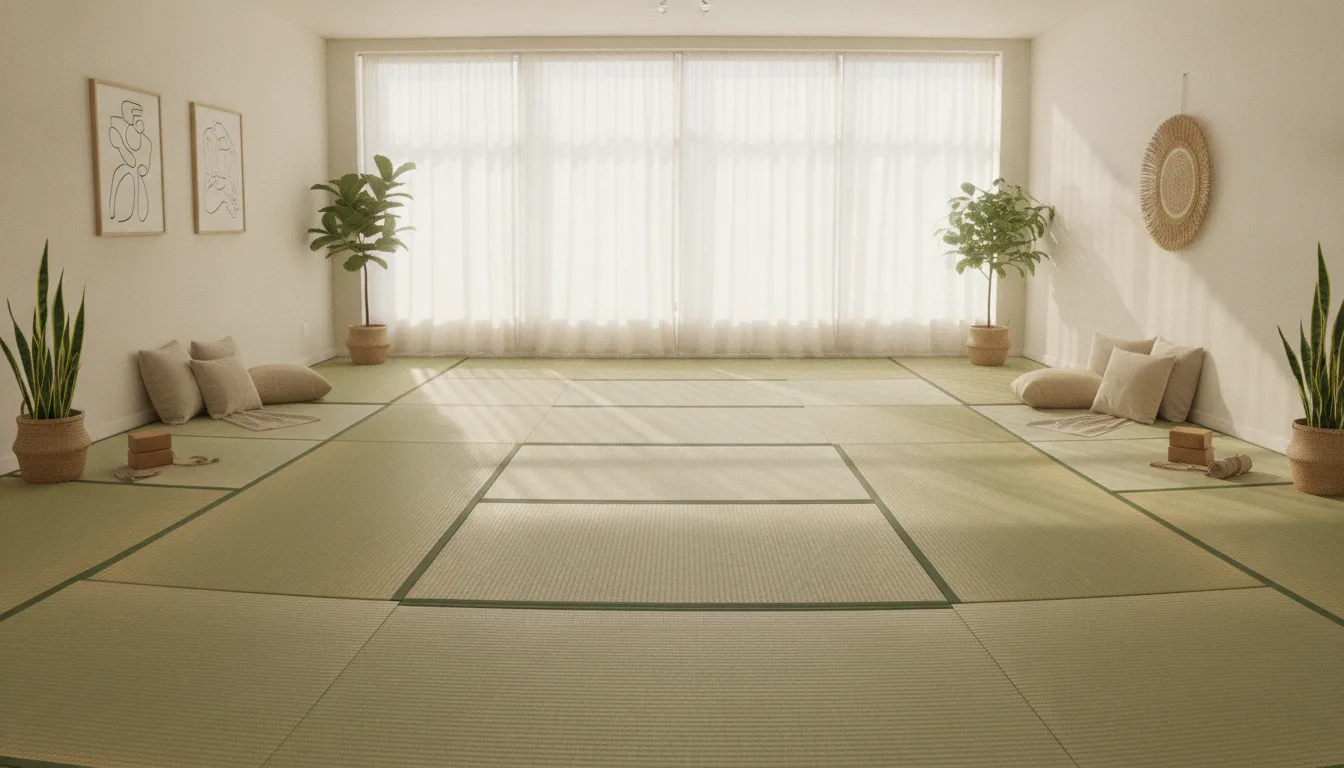
Finding the right tatami mat for hot weather can significantly enhance comfort and aesthetics in your living spaces. Authentic Japanese tatami mats made from Igusa rush offer natural cooling properties, making them ideal for warm climates like those found in various parts of India.
Understanding Tatami Mats: The Basics
Tatami mats have been an integral part of Japanese culture for centuries, traditionally used in homes and tea rooms. Made primarily from Igusa rush, these mats are not only aesthetically pleasing but also functional. The unique construction method of tatami includes a core usually made from rice straw, which contributes to its lightweight and breathable characteristics. This is essential for any home, especially in hot weather conditions.
Why Choose Tatami Mats for Hot Weather?
In hot climates, the need for efficient cooling solutions in interiors is paramount. Tatami mats provide a natural cooling effect due to their moisture-absorbing properties. This means that they can help regulate humidity levels, making your living spaces feel cooler and more comfortable. Moreover, tatami mats are known for their ability to promote better air circulation, which is beneficial in maintaining a pleasant indoor environment.
Best Practices for Selecting Tatami Mat for Hot Weather
When choosing a tatami mat suitable for hot weather, consider the following factors:
- Material: Opt for authentic Japanese tatami made from Igusa rush as it has superior cooling properties compared to synthetic alternatives.
- Thickness: Thinner mats can provide more breathability and airflow, which is advantageous in warm climates.
- Size: Ensure that the dimensions of the tatami fit well within your intended space, allowing for adequate airflow around the edges.
- Maintenance: In high-humidity areas, choose tatami mats that have easy maintenance specifications to prevent mold and mildew.
Practical Tips for Placement
The placement of your tatami mat is vital for maximizing its benefits. Here are some tips:
- Room Ventilation: Ensure that the room has good airflow to keep the mat dry and fresh.
- Avoid Direct Sunlight: Prolonged exposure to sunlight can fade the color and degrade the material.
- Furniture Arrangement: Use low furniture options to complement the tatami design and maintain an open, airy feeling.
Comparison: Authentic Igusa Tatami vs. Foam Flooring vs. Conventional Rugs
| Feature | Authentic Igusa Tatami | Foam Flooring | Conventional Rugs |
|---|---|---|---|
| Material | Natural Igusa rush | Synthetic foam | Various fibers |
| Construction | Woven with a rice straw core | Flimsy, often single-layered | Varies by manufacturer |
| Surface | Textured and breathable | Soft but less breathable | Varies, but often plush |
| Room Suitability | Ideal for hot, humid climates | Best for dry, non-humid areas | Versatile, can be used anywhere |
| Moisture Considerations | Absorbs moisture effectively | Can trap moisture | Depends on material |
| Cleaning | Requires regular dusting | Easy to wipe | Varies, but usually vacuumable |
| Portability | Light and easy to handle | Very light | Depends on size and material |
| Interior Style | Traditional Japanese aesthetic | Modern, minimalistic | Wide variety of styles |
Igusa Tatami vs. Madurkathi vs. Other Natural Mats
| Aspect | Igusa Tatami | Madurkathi | Other Natural Mats |
|---|---|---|---|
| Material | Igusa rush | Reed grass | Various natural fibers |
| Craft Tradition | Japan (centuries-old) | India (local craftsmanship) | Varies by region |
| Texture | Soft and breathable | Stiff | Varies based on fibers |
| Structure | Firm with a rice straw core | Flat, lightweight | Varies widely |
| Appearance | Subtle elegance | Rustic charm | Diverse styles and colors |
| Typical Applications | Homes, tea rooms | Living areas, outdoor settings | Various uses |
| Maintenance | Regular care required | Minimal | Varies, often less maintenance |
| Interior Character | Minimalistic Japanese | Earthy Indian | Varies widely |
Steps to Plan a Tatami Room in an Indian Home
- Measure the Usable Floor Area: Assess your room dimensions to determine the number of mats required.
- Decide How the Room Will Be Used: Whether for a bedroom, yoga studio, or meditation space, each use influences mat choice.
- Select Suitable Mat Dimensions: Consider standard sizes to avoid unnecessary cuts.
- Plan the Arrangement: Arrange the mats to maximize airflow and comfort.
- Consider Furniture: Low furniture options blend well with tatami aesthetics.
- Check Ventilation and Humidity: Ensure ample ventilation to prevent moisture buildup, especially during the monsoon.
- Plan Cleaning and Maintenance: Prepare a routine for maintenance and cleaning to keep the mats fresh.
- Confirm the Final Quantity/Order: Cross-check your calculations before placing an order.
Myth vs Fact
Understanding the common misconceptions about tatami mats can help you make informed decisions.
- Myth: All tatami mats are the same.
Fact: Authentic tatami made from Igusa rush differs significantly in quality and functionality compared to synthetic options. - Myth: Tatami is simply a rug.
Fact: Tatami mats are more than rugs; they provide unique comfort and cultural significance. - Myth: Japanese-style foam mats are authentic tatami.
Fact: Only traditional Igusa tatami holds the cultural and practical values associated with tatami. - Myth: Natural Igusa requires no maintenance.
Fact: Regular care is essential to prevent wear and tear, especially in humid conditions. - Myth: Tatami cannot work in Indian homes.
Fact: Tatami mats are adaptable and can integrate beautifully into Indian interiors.
A Realistic Indian Example: A Bengaluru Yoga Studio
Consider a yoga studio located in the bustling city of Bengaluru, where warm weather prevails. The studio aims for a calm, serene atmosphere conducive to mindfulness and relaxation. With dimensions of approximately 500 square feet, it features large windows for natural light and ventilation.
Initially, the studio used standard foam mats, but participants found them too hot and uncomfortable during prolonged classes. The decision to switch to authentic Igusa tatami mats was made to enhance comfort and create a soothing aesthetic. Each tatami mat, measuring 6 feet by 3 feet, perfectly fit the space, allowing easy reconfiguration as needed.
Low wooden benches were chosen for props, maintaining an open feel. Given Bengaluru's humidity, airflow was prioritized, and the mats were placed to facilitate this. Regular cleaning routines were established, focusing on gentle dusting and avoiding excess moisture during the monsoon, ensuring the longevity of the mats. This setup not only improved comfort but also transformed the studio into a tranquil oasis.
Buying Guide: What to Check Before Purchasing
Before committing to your tatami mat, consider the following factors:
- Authenticity: Always verify that the mats are made of genuine Igusa rush for authentic experience.
- Material: Ensure that the tatami aligns with your comfort and aesthetic goals.
- Dimensions: Check dimensions to ensure they suit your rooms appropriately.
- Thickness: A thicker mat might be more comfortable but can be less breathable.
- Construction: Understand the construction for durability and maintenance requirements.
- Intended Room: Determine where you plan to use it as this impacts size and maintenance.
- Ventilation: Ensure that the room has sufficient airflow to keep the mats dry.
- Seller Information: Research the seller to ensure you are purchasing high-quality products.
Care and Maintenance of Tatami Mats
Proper care is crucial for maintaining the longevity of your tatami mats, especially in humid environments:
- Regular Dust Removal: Use a soft broom or vacuum with a brush attachment to regularly remove dust.
- Gentle Cleaning: For tougher stains, use a damp cloth; avoid soaking the mats.
- Avoiding Excessive Moisture: Keep the room dry to prevent mold growth; use a dehumidifier if necessary.
- Prompt Spill Management: Clean up spills immediately with a soft, dry cloth to prevent damage.
- Ventilation: Ensure the room is well-ventilated, especially during the monsoon.
- Storage: If moving mats, stack them flat and keep them in a cool, dry space.
- Movement of Furniture: Avoid dragging furniture across the mats to prevent damage.
- Periodic Inspection: Check mats regularly for signs of wear and tear.
Integrating Tatami Mats into Indian Interiors
Tatami mats can seamlessly blend with various Indian design elements. When decorating with tatami, consider the following:
- Material Mix: Combine tatami with natural materials like wood, cotton, and cane to create a harmonious look.
- Color Palette: Utilize neutral tones to ensure that the tatami complements rather than clashes with your décor.
- Furniture Choices: Emphasize low furniture, in line with traditional Japanese aesthetics, while maintaining a comfortable atmosphere.
- Textural Balance: Incorporate handmade Indian textiles to add warmth and a personal touch without overwhelming the space.
- Functional Layout: Plan furniture placement thoughtfully, ensuring that paths remain open and the room feels inviting.
FAQs
1. What makes a tatami mat suitable for hot weather?
Tatami mats, particularly those made from authentic Igusa rush, offer natural cooling properties and excellent moisture absorption, making them ideal for hot climates. Their breathable structure allows for better airflow, helping to maintain a comfortable indoor atmosphere during warm weather.
2. How do I care for my tatami mat in humid conditions?
Regular dusting and gentle cleaning are essential. Avoid excessive moisture and promptly manage spills. Ensure good ventilation in the room to prevent mold growth, especially during the monsoon season. Consider using a dehumidifier if the area tends to be very humid.
3. Can I use tatami mats in a yoga studio?
Absolutely! Tatami mats provide a firm, stable surface that is great for yoga practice. Their natural cooling properties and breathability enhance comfort during workouts. Ensure the studio is well-ventilated to keep the mats in good condition.
4. Are tatami mats easy to move and store?
Yes, authentic tatami mats are lightweight and relatively easy to handle. When storing, stack them flat in a cool, dry place to avoid warping. Their portability makes them versatile for various setups in your home or studio.
5. How do I differentiate authentic tatami from imitations?
Authentic tatami is made from Igusa rush and typically features a distinct woven texture with a rice straw core. In contrast, synthetic mats lack these characteristics and may not offer the same aesthetic or functional benefits. Always check for authenticity when purchasing.